What is the Best Type of Coffee Cups for Your Brewing Needs?
In recent years, the coffee industry has witnessed significant growth. According to the International Coffee Organization, global coffee consumption reached approximately 166.63 million 60-kilogram bags in 2021. This rising demand is prompting consumers to seek the best coffee cups to enhance their brewing experience. Different cup types cater to varying brewing methods and preferences.
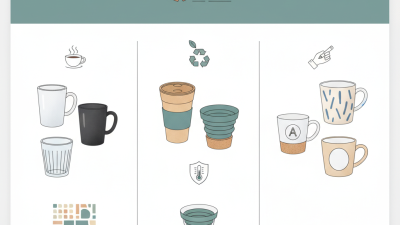
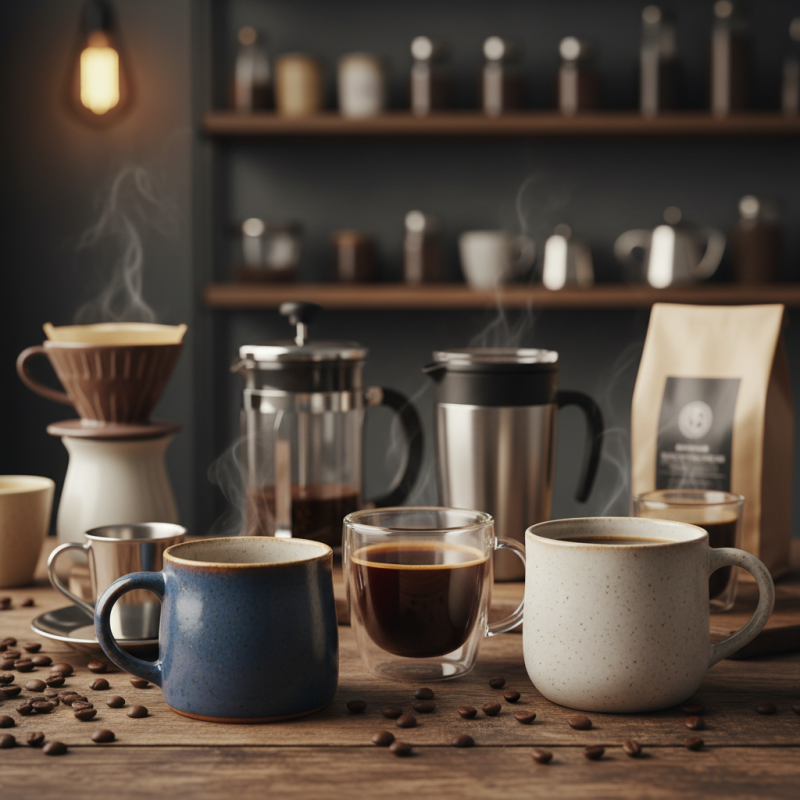
Coffee cups come in various materials, including ceramic, glass, and stainless steel. Each type has its unique benefits. For instance, ceramic cups retain heat well, offering an excellent option for savoring meticulous brews. On the other hand, stainless steel cups provide durability and excellent insulation for coffee on the go. Choosing the right coffee cup isn't just about looks; it also affects flavor and temperature retention.
However, many buyers remain overwhelmed by options. A report by Technavio suggests that the coffee cup market will grow by over $900 million by 2024. This highlights a crucial point: as the market expands, understanding differences among coffee cups becomes vital. Making informed decisions ensures that lovers of coffee can fully enjoy their brews while also reflecting on their choices.
Understanding Different Materials in Coffee Cups
When it comes to coffee cups, the material plays a crucial role. Each type brings unique characteristics that affect your coffee experience. Porcelain is popular for its elegant look. It provides excellent insulation, keeping coffee hot longer. According to research, 40% of baristas favor porcelain for this reason. However, it tends to be more vulnerable to chipping.
Glass coffee cups offer a modern aesthetic. They allow you to appreciate the color and texture of your brew. However, they can quickly lose heat. A report from the Specialty Coffee Association indicates that 30% of coffee drinkers prefer glass for visual appeal. Yet, they are prone to breakage if not handled with care.
Then there are stainless steel cups, known for their durability. These cups are resistant to any environmental impact. A survey revealed that 25% of coffee enthusiasts select stainless steel for outdoor use. But they may alter the taste slightly due to metal contact. Each material has advantages and drawbacks, highlighting the need for careful selection based on personal preference and usage. Understanding these variations can greatly enhance your coffee drinking experience.
What is the Best Type of Coffee Cups for Your Brewing Needs?
Evaluating Size and Shape for Optimal Brewing
When selecting coffee cups, the size and shape play a crucial role in brewing. Studies indicate that a cup’s diameter influences the extraction process. A wider rim allows for better aroma release. Experts suggest that cup height can affect heat retention, impacting the coffee’s flavor profile. Opting for a mug with a volume of around 8 to 12 ounces is often ideal for most brewing methods.
Ceramic cups are commonly favored due to their ability to retain heat. However, they can be heavy and prone to breakage. On the other hand, glass cups offer a visually appealing aesthetic. Yet, they may not hold heat as efficiently. Research shows that material influences the taste perception of coffee. Thus, selecting the right cup involves balancing functionality with sensory experience.
The shape of the cup can also alter the drinking experience. Conical cups can enhance flavor concentration, drawing the drinker's focus towards the coffee’s aroma. However, they might not suit every type of brew. Remember, even minute details matter in the coffee experience. Choosing an inappropriate cup can detract from the coffee’s full potential. Experimentation is key to finding the perfect fit for your brewing style.
Exploring Insulation Properties of Coffee Cups
When choosing a coffee cup, insulation properties are crucial. Insulation affects how long your coffee stays hot. According to recent reports, double-walled cups maintain temperatures better than single-walled ones. Research shows that double-walled cups can retain heat for up to 50% longer.
Material matters, too. Stainless steel cups are known for their impressive insulation properties. Studies indicate that they can keep beverages hot for hours. In contrast, ceramic cups may only retain heat for about 30 minutes. However, ceramic offers a more traditional feel and is often preferred by some coffee enthusiasts.
One point to consider is not all materials perform equally in different environments. For instance, plastic cups can insulate poorly, leading to rapid temperature loss. Some users find that their coffee is lukewarm too quickly. This inconsistency can diminish the overall experience. Ultimately, understanding the insulation properties of different coffee cups can enhance your brewing needs significantly.
Assessing Special Features: Lids, Handles, and Designs
Choosing the right coffee cup can significantly enhance your brewing experience. When assessing cups, focus on special features like lids, handles, and designs. According to a recent report by the Specialty Coffee Association, the right cup can maintain the ideal temperature for up to 30 minutes longer than lesser options.
Lids play a crucial role in preserving the flavor and warmth of your coffee. An airtight lid can prevent the aromatic oils from escaping. Consider designs with one-hand opening mechanisms that promote convenience. A study found that consumers prefer cups with spill-resistant lids for on-the-go use.
Handles also matter. Ergonomic handles reduce strain, making your coffee experience more enjoyable. A well-designed handle provides the right grip, balancing comfort and style. Decorative patterns can elevate your drinking experience. However, be cautious—overly complex designs may distract from the coffee itself.
**Tips:** Choose cups that fit comfortably in your hand. Check for insulation properties for major temperature stability. Avoid overly intricate lids that complicate your sipping experience. Remember, it's about enjoying your coffee, not just the vessel.
What is the Best Type of Coffee Cups for Your Brewing Needs? - Assessing Special Features: Lids, Handles, and Designs
| Cup Type |
Material |
Lid Type |
Handle |
Design Features |
| Ceramic Mug |
Ceramic |
No Lid |
Yes |
Custom Designs, Personalization |
| Disposable Cup |
Paper |
Plastic Lid |
No Handle |
Eco-Friendly Options |
| Travel Mug |
Stainless Steel |
Flip Lid |
Yes |
Insulated, Spill-Resistant |
| Glass Tumbler |
Glass |
Screw Lid |
No Handle |
Stylish Designs, Clear View |
| Traditional Coffee Pot |
Porcelain |
No Lid |
Yes |
Classic Design, Handcrafted |
Choosing the Right Cup for Brewing Methods: Pour Over, French Press, etc.
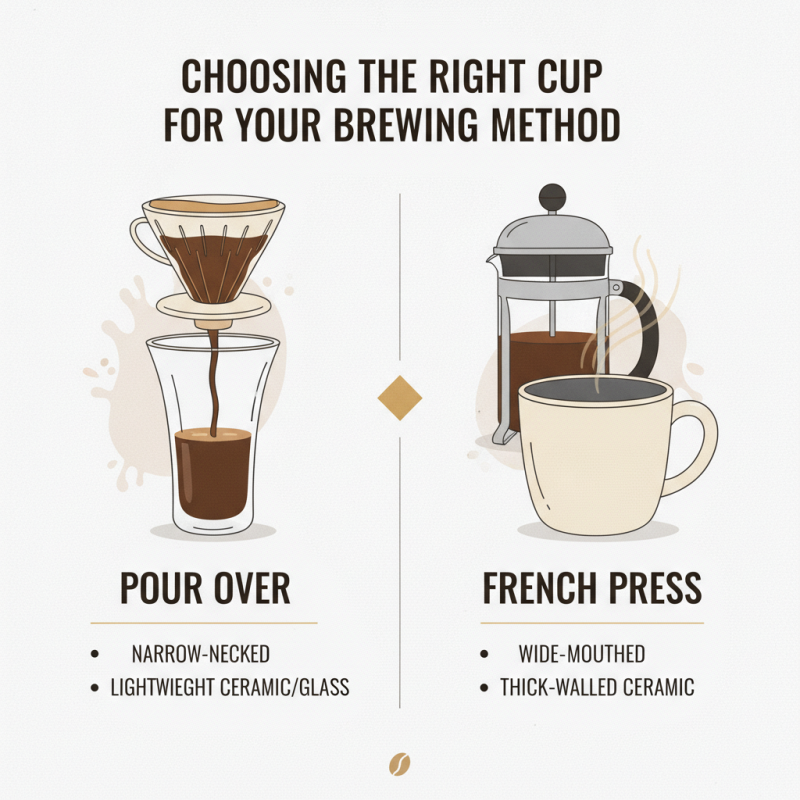
Choosing the right coffee cup is essential for optimizing your brewing method. Pour over coffee benefits from a narrow-necked vessel. This shape helps concentrate heat and aroma, enhancing flavor extraction. Lightweight ceramic or glass cups work well for this. They showcase the coffee’s color and clarity, making each brew a visual delight.
For French press brewing, opt for a sturdy cup that can withstand heat. Stainless steel or thick ceramic is ideal. The robust material keeps your coffee warm longer. It also prevents breakage during daily use. However, consider the weight; a heavy cup may not be comfortable for everyone.
Espresso enthusiasts should select small, thick-walled cups. These maintain heat effectively and enhance the espresso's rich crema. Not all cups retain heat equally, so test various options. Some may feel too large or uncomfortable. Pay attention to how each cup feels in your hand. These details can greatly affect your overall enjoyment of the brew.

 +86 183 6377 3366
 Contact Email