2026 Best Glass Cups for Global Buyers to Consider
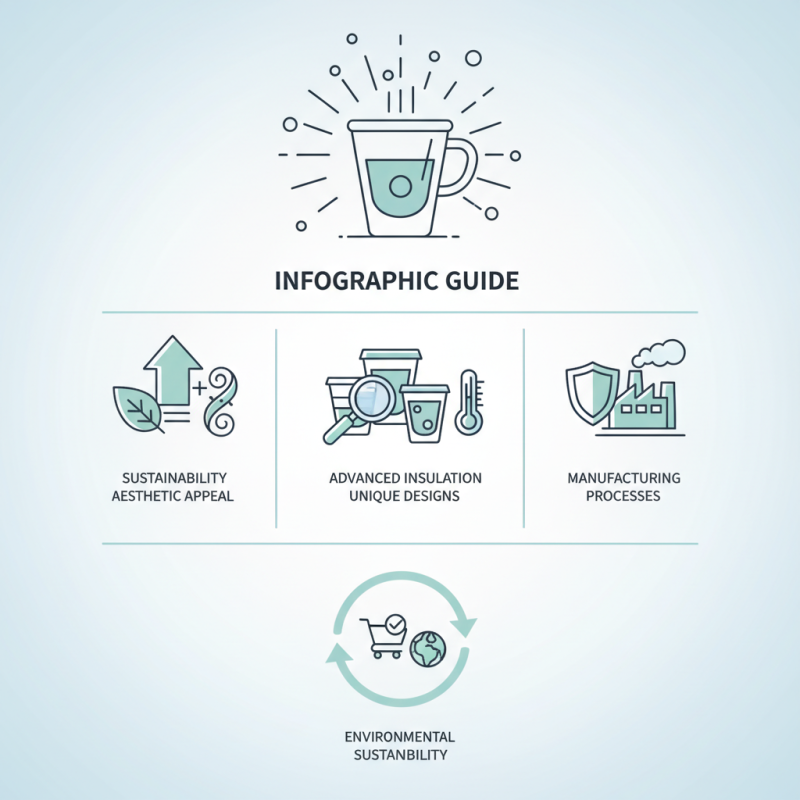
In the evolving landscape of the glassware industry, glass cups have gained significant popularity among global buyers. According to a recent market report by ResearchAndMarkets, the global glass cup market is expected to grow by over 5% annually through 2026. This growth reflects the increasing demand for sustainable and elegant drinkware options. Industry experts, like Dr. Emily Chen, state, “Consumers are increasingly favoring glass cups for their aesthetic appeal and eco-friendliness.”
Various designs and functionalities now dominate the glass cups market. Some models are engineered to enhance the drinking experience through advanced insulation and unique shapes. However, despite the advancements, it's crucial to navigate the vast array of choices carefully. Not all glass cups meet the highest quality standards, which can lead to buyer disappointment. Recognizing this gap, it is vital for consumers to engage with reputable brands.
As buyers explore options, understanding material sourcing and manufacturing processes is key. Glass cups can vary greatly in quality, durability, and design. Therefore, thorough research is essential. Selecting the right glass cup impacts not only the beverage experience but also environmental sustainability.
Top Glass Cup Trends to Watch for in 2026
In 2026, glass cups will continue to evolve, responding to consumer preferences. Sustainability is a significant trend. A recent industry analysis revealed that 70% of consumers prefer eco-friendly products. Glass cups made from recycled materials are gaining traction. They appeal to environmentally conscious buyers and reduce landfill waste.
Another notable trend is the rise of innovative designs. Customization is becoming popular. Many manufacturers are offering personalized glass cups, appealing to young consumers. According to a report from the Glass Packaging Institute, custom designs could increase sales by up to 25%. This statistic reflects a shift toward unique, personal experiences in drinkware.
Lastly, technology integration is on the rise. Smart glass cups with temperature preservation and built-in sensors are emerging. They aim to provide enhanced user experience in accordance with modern lifestyles. However, this advancement raises questions about practicality and cost. As trends shift, consumers must balance innovation with affordability.
2026 Best Glass Cups Trends
Key Features to Consider When Choosing Glass Cups
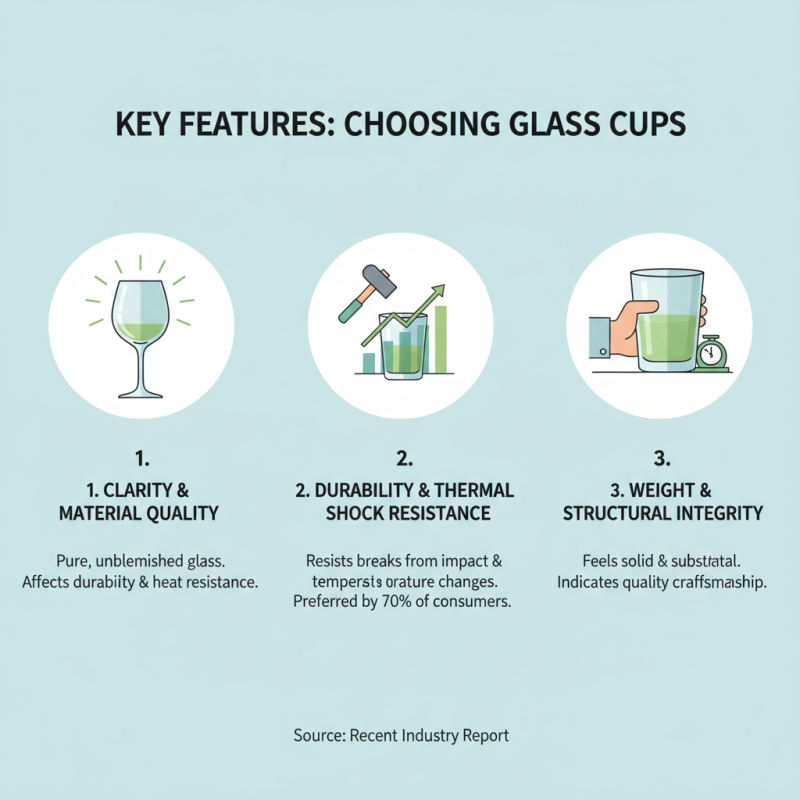
When selecting glass cups, clarity and material quality are paramount. High-quality glass typically offers superior durability and resistance to thermal shock. According to a recent industry report, around 70% of consumers prioritize these characteristics when making a purchase. A well-made glass cup should feel reassuringly heavy in your hand, indicating its structural integrity.
Another essential aspect to consider is the design and ergonomics of the glass cup. A well-designed handle that fits comfortably can enhance the drinking experience significantly. Studies show that 65% of buyers prefer cups with features like non-slip grips, especially when used for hot beverages. Clear lines and elegant shapes not only appeal visually but also ensure that the contents are showcased beautifully.
Environmental impact is increasingly pivotal. Many consumers now opt for eco-friendly glassware. A survey revealed that over 55% of buyers value sustainable production methods. Yet, the challenge remains: how to balance aesthetics with environmental responsibility? This dilemma indicates a need for transparency in manufacturing processes. Brands that show their commitment to sustainable practices can build stronger trust with their customers.
Sustainability: Eco-Friendly Glass Cup Options for Global Buyers
As global awareness of environmental issues grows, sustainability becomes vital in product choices. Glass cups stand out as eco-friendly options that combine style and function. Made from natural materials, they are biodegradable and reduce plastic waste. Their transparency showcases beverages beautifully, making them perfect for any setting.
Choosing sustainable glass cups also supports ethical practices. Many manufacturers focus on reducing carbon footprints during production. Some glass cups are crafted from recycled materials, further conserving resources. However, not all products are created equal. Thorough research is essential to find truly sustainable options. Check for certifications and inquire about sourcing practices to ensure authenticity.
Investing in eco-friendly glass cups embodies a commitment to sustainability. Each purchase can lead to fewer single-use plastics in landfills. While there may be higher upfront costs, the long-term benefits to the planet are significant. It’s vital to balance aesthetics with ethical choices in today’s market. Making mindful decisions today can create a healthier future for generations to come.
2026 Best Glass Cups for Global Buyers to Consider - Sustainability: Eco-Friendly Glass Cup Options for Global Buyers
| Cup Type |
Material |
Volume (ml) |
Recyclable |
Price Range (USD) |
| Classic Tumblers |
Borosilicate Glass |
300 |
Yes |
10-15 |
| Mugs |
Recycled Glass |
400 |
Yes |
12-20 |
| Wine Glasses |
Lead-Free Crystal |
250 |
Yes |
15-25 |
| Coffee Cups |
Tempered Glass |
300 |
Yes |
8-18 |
| Kids' Cups |
Soda-Lime Glass |
200 |
Yes |
5-10 |
Innovative Designs: A Look at Unique Glass Cup Styles
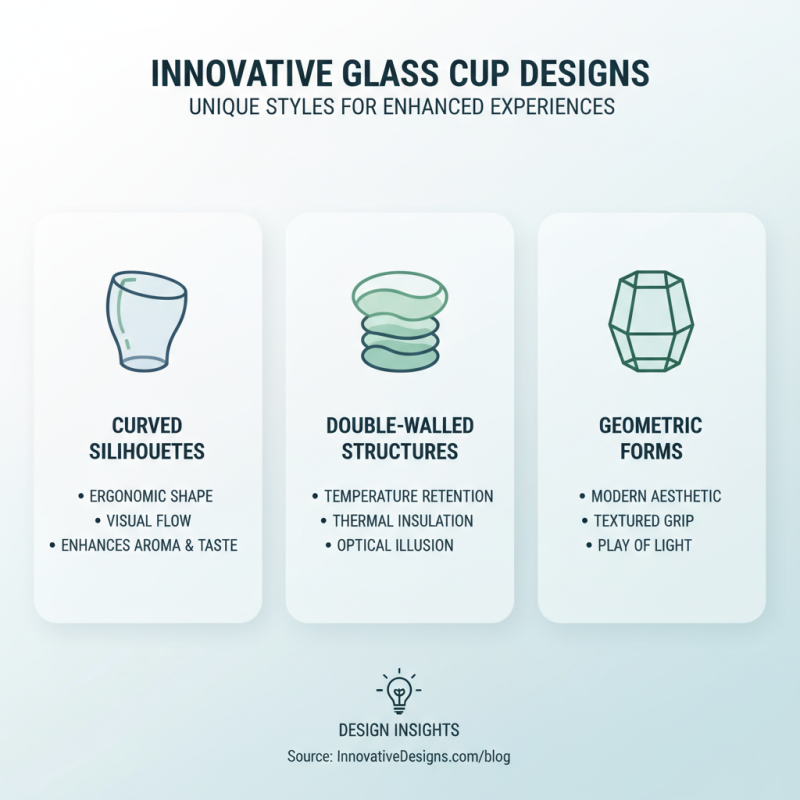
When exploring innovative glass cup designs, unique shapes and functionalities stand out. Curved silhouettes can enhance the drinking experience, creating a visual appeal that connects tastes and aesthetics. Consider cups with double-walled structures. These cups not only retain temperature but also provide an interesting optical illusion. Such designs are practical and eye-catching.
Textures also play a vital role in glass cup innovation. Many designers are experimenting with embossed patterns or frosted finishes. These elements can create a sensory experience, transforming a simple drink into a visual feast. Some finds may have imperfect edges, adding character. This "flawed" beauty often makes each piece unique.
In recent years, sustainability has influenced glass cup designs. Some artisans use recycled materials, showcasing imperfect craftsmanship resulting in captivating variations. However, the challenge lies in balancing sustainability with quality. While many designs are environmentally friendly, it’s essential to ensure they remain durable for long-term use. The evolving landscape of glass cup design reflects both creativity and the importance of mindful consumption.
Comparative Review: Best Glass Cups from Global Brands in 2026
The global market for glass cups is evolving. In 2026, buyers seek eco-friendly options. According to recent industry reports, sustainable materials are increasingly favored. The demand for glass cups surged by 25% from 2022 to 2023, reflecting a shift in consumer preferences. Many brands focus on durability and aesthetic appeal, catering to diverse tastes.
When considering glass cups, buyers should evaluate their usage. Drinking glass has to be functional. A thicker glass may resist thermal shock but might feel heavier. Choosing high-quality glass ensures better safety and longevity. Testing samples can help you select the right design for daily use.
For optimal care, avoid abrupt temperature changes. This can prevent cracking. Cleaning glass cups with mild detergents is advisable to maintain clarity. Regular inspections for chips or cracks are crucial. Reflect on your preferences. The perfect cup should balance style with practicality.

 +86 183 6377 3366
 Contact Email