Why Choose Glass Bottles for Your Business Needs?
In today's competitive market, choosing the right packaging is critical for businesses. Glass bottles have become a popular choice among companies aiming for sustainability and elegance. As industry expert Dr. Emily Carter states, "Glass bottles not only enhance product appeal but also safeguard quality." This insight reflects the growing trend towards environmentally-friendly packaging solutions.
Opting for glass bottles showcases a commitment to sustainability. These bottles are 100% recyclable and reusable, reducing environmental impact. Many consumers prefer brands that prioritize eco-friendly practices. Glass bottles provide an aesthetic appeal that plastic simply cannot match. They can elevate a brand’s image, making products look more premium.
However, businesses must also consider the challenges of using glass bottles. They can be heavier and more fragile than other options. This can lead to higher shipping costs and potential damages. Companies need to weigh these factors carefully. Ultimately, the benefits of glass bottles often outweigh the drawbacks for many businesses.
Benefits of Glass Bottles for Sustainable Packaging Solutions
Glass bottles are gaining popularity in the realm of sustainable packaging solutions. A recent report from the International Glass Alliance shows that glass is 100% recyclable. This feature significantly reduces waste and energy consumption. Remarkably, recycling glass uses 40% less energy compared to producing new glass. Businesses choose glass bottles to enhance sustainability and support eco-friendly initiatives.
The food and beverage industry is increasingly aware of consumer preferences. According to the Freedonia Group, 70% of consumers prefer products in glass containers. They perceive glass as a safe, non-toxic option. Glass does not leach chemicals, keeping contents pure. This perception enhances brand loyalty and trust, crucial in a competitive market.
However, challenges exist. Glass bottles can be heavier and more fragile than plastic alternatives, increasing transportation costs. Businesses must weigh the benefits against these factors. Some small enterprises hesitate, fearing the higher upfront investment. Educating stakeholders about the long-term environmental and health advantages is essential. Inviting open discussions can lead to wiser choices for sustainable futures.
Benefits of Glass Bottles for Sustainable Packaging Solutions
Impact of Glass Bottles on Product Shelf Life and Preservation
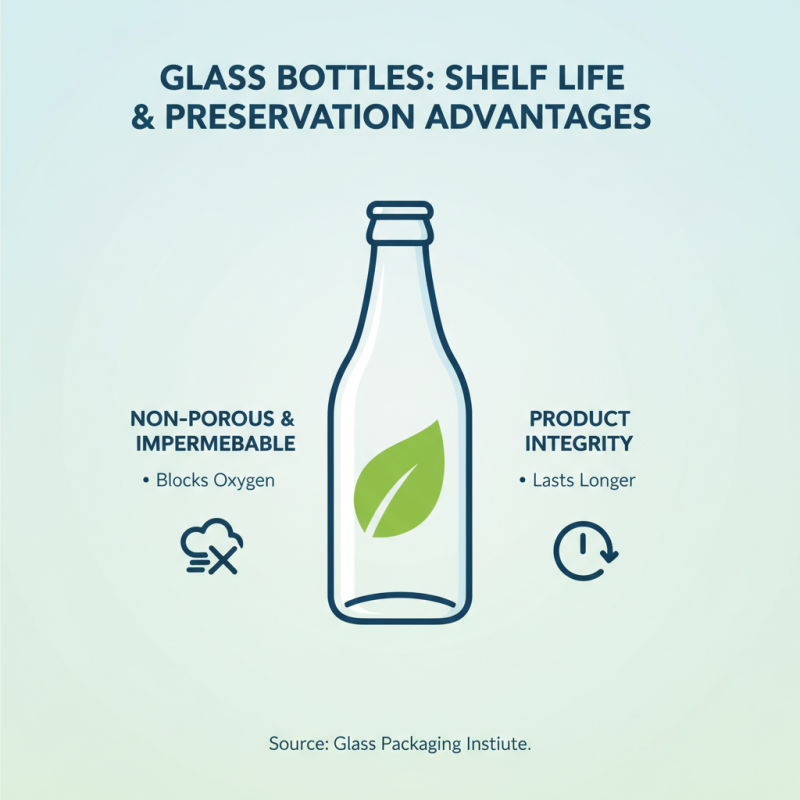
Choosing glass bottles for your products can significantly impact shelf life and preservation. According to a report by the Glass Packaging Institute, glass is non-porous and impermeable. This means it keeps out oxygen, which can spoil products. Products stored in glass bottles can maintain their integrity longer than those in plastic or metal.
A study in the Journal of Food Science found that beverages in glass bottles retained flavors better over time. Even after six months, taste testers noted minimal differences. In contrast, plastic containers showed degradation and off-flavors after just a few weeks. This suggests that glass bottles are superior for preserving taste and quality.
However, using glass comes with challenges. Breakage is a concern during transport and handling. This adds costs for businesses regarding damage and safety measures. Additionally, sourcing glass can be less sustainable than alternatives due to energy-intensive production processes. These factors require businesses to consider the balance between quality preservation and operational efficiencies.
Consumer Preferences: The Rise of Glass Bottles in Beverage Industry
The beverage industry is seeing a strong shift towards glass bottles. A recent report by the Glass Packaging Institute claims that about 66% of consumers prefer glass for beverages. This preference stems from concerns about sustainability and taste. Glass does not leach chemicals into drinks, ensuring a pure flavor experience. Furthermore, consumers associate glass with higher quality.
Research indicates that 70% of millennials are willing to pay more for products in glass bottles. They value eco-friendly packaging. Glass is infinitely recyclable, reducing landfill waste. This commitment to sustainability resonates with today's conscientious consumers. However, operators must consider cost implications. While glass enhances brand perception, it can increase production and shipping costs.
Tip: Evaluate local recycling programs before choosing glass. This can minimize potential costs and help with sustainability. Also, consider packaging design. Unique shapes and sizes can attract consumers, making your product stand out. Being aware of the weight of glass during shipping is crucial. Reducing transport costs while being eco-friendly is a delicate balance. The rise of glass bottles offers business opportunities, yet challenges remain.
Environmental Statistics: Reducing Carbon Footprint with Glass Packaging
Glass packaging has emerged as a sustainable solution in the fight against climate change. According to recent environmental statistics, glass bottles are fully recyclable and can reduce carbon footprints significantly. Unlike plastic, glass doesn’t leach harmful chemicals. It’s safe for beverages and does not degrade over time. This durability creates a lifecycle that supports environmental health.
Switching to glass packaging can reflect positively on a company's image. Businesses that choose glass demonstrate a commitment to sustainability. Studies show that consumers prefer brands that prioritize eco-friendly practices. This preference translates into increased customer loyalty. However, companies must consider the initial cost. Glass is heavier, often resulting in higher transportation expenses. Balancing these costs with long-term environmental benefits requires careful analysis.
Despite the advantages, some challenges remain. Not all regions have recycling facilities for glass, posing a limitation. Education is key; consumers must understand proper disposal methods. Without this knowledge, the cycle of recycling can falter. Businesses should invest in education programs. By addressing these hurdles, companies can foster a more sustainable future with glass packaging.
Economics of Glass Bottles: Cost-Effectiveness Over Time for Businesses
When considering container options for your business, glass bottles stand out for their long-term cost-effectiveness. Unlike plastic, glass is recyclable and retains its quality over time. This reduces the need for frequent replacements, saving money in the long run. Many businesses might overlook initial costs, thinking plastic is cheaper. However, the durability and lifetime of glass bottles often offset their higher upfront price.
Tips for selecting glass bottles include assessing your brand’s image and the type of product you are packaging. Glass conveys a sense of quality that can enhance consumer trust. Consider the bottle’s design and functionality to attract customers. It’s vital to engage with suppliers who guarantee high-quality products. This partnership ensures that you receive reliable materials and support over time.
Investing in glass bottles also encourages sustainability. They are often reusable and can be refilled by consumers. This approach can foster loyalty among eco-conscious customers. Yet, businesses must remain aware of handling and shipping costs. Fragility is a real concern. It is essential to evaluate how you will manage these challenges.

 +86 183 6377 3366
 Contact Email