Why Choose Glass Jars for Your Packaging Needs?
In recent years, the demand for sustainable packaging solutions has surged. According to a report by Smithers Pira, the global glass packaging market is projected to reach $70 billion by 2024. This growth highlights the increasing preference for eco-friendly materials. Glass jars stand out as a top choice for brands aiming to enhance their packaging.
Glass jars not only offer aesthetic appeal but also ensure product safety. Research shows that glass packaging is inert and does not leach harmful chemicals. This aspect is crucial for food and cosmetic products. Furthermore, glass jars provide excellent protection against moisture, air, and light, extending product shelf life. However, the weight of glass jars can be a concern, impacting transportation costs.
Choosing glass jars reflects a company's commitment to sustainability. Brands using glass packaging report higher customer loyalty. A survey by Nielsen indicates that 66% of consumers prefer brands with eco-friendly practices. Nonetheless, companies must balance the benefits of glass with logistical challenges. Understanding these factors is key to making an informed packaging decision.

Benefits of Using Glass Jars in Packaging
Glass jars have become a popular choice for packaging across various industries. Their durability is a significant benefit. According to the Glass Packaging Institute, glass jars are less likely to break during transportation. This reduces product loss and ensures a fresher product for consumers. Glass is a non-reactive material, which means it does not leach harmful substances into the contents. This is crucial for food and beverage storage.
Moreover, glass is fully recyclable. The recycling process can save up to 30% of the energy used to create new glass. Data from the Environmental Protection Agency highlights that recycling helps reduce landfill waste significantly. However, the recycling rates for glass lag behind those for other materials like paper and aluminum. This indicates a need for further initiatives to encourage recycling behaviors.
In addition to being recyclable, glass packaging appeals to consumers seeking sustainability. A recent survey revealed that 70% of consumers prefer glass over plastic. They perceive glass as a premium material. However, businesses must consider the higher costs associated with glass jar production. This can impact pricing strategies. Balancing cost and sustainability continues to be a challenge in the packaging industry.
Benefits of Using Glass Jars in Packaging
Environmental Impact of Glass Packaging
Glass packaging offers significant environmental benefits. Unlike plastic, glass is 100% recyclable. It can be melted down and reformed countless times without any loss in quality. This circular lifecycle reduces waste in landfills. It conserves raw materials and energy, making glass a sustainable option.
However, glass production requires more energy compared to plastic. This can lead to higher carbon emissions during manufacturing. Transporting glass can also contribute to environmental impact due to its weight. These factors highlight the need for a careful consideration of packaging choices.
Despite its drawbacks, the positive aspects of glass packaging stand out. Using glass can enhance product appeal. Consumers often prefer glass due to its high-quality feel and preservation properties. In a world striving for sustainability, glass jars represent a reliable option. Their impact on the environment is a conversation worth engaging in.
Why Choose Glass Jars for Your Packaging Needs? - Environmental Impact of Glass Packaging
| Aspect |
Glass Jars |
Other Packaging Materials |
| Recyclability |
100% recyclable without loss of quality |
Varies by material, often downcycled |
| Carbon Footprint |
Lower carbon footprint when recycled |
Higher carbon emissions during production |
| Longevity |
Long-lasting and durable |
May degrade over time |
| Food Safety |
Non-toxic, doesn’t leach chemicals |
Can leach harmful substances |
| Aesthetic Appeal |
Elegant and premium look |
Often considered less appealing |
| Consumer Preference |
Highly preferred for sustainability |
Increasingly criticized |
Comparative Analysis: Glass vs. Other Packaging Materials
When considering packaging materials, glass offers several advantages over alternatives like plastic and metal. According to a 2021 report by the Glass Packaging Institute, glass is 100% recyclable without loss of purity. This sustainability factor appeals to eco-conscious consumers. In contrast, multi-layer plastic or aluminum may degrade during the recycling process. The waste generated from plastic packaging remains a significant concern, with over 300 million tons produced annually, as reported by the World Economic Forum.
Another key aspect is the inert nature of glass. It does not interact with contents, ensuring product integrity. The Food and Drug Administration (FDA) has confirmed glass as a safe choice for food and beverages. In comparison, studies indicate that certain plastics can leach harmful chemicals into products, especially when exposed to heat or acid. These risks can deter consumers from trusting their food safety.
Cost can be a drawback for glass. Production and transportation costs may be higher than plastics. However, the premium quality of glass packaging can justify the investment. Consumers are often willing to pay more for products in glass jars, as they associate them with better quality. Companies must weigh these factors carefully. Balancing environmental impact with cost is crucial for effective product strategy.
Design Versatility of Glass Jars for Branding
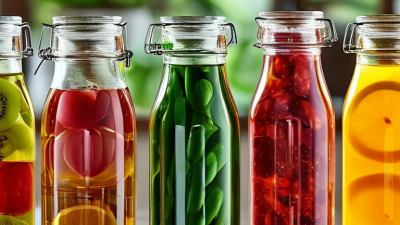
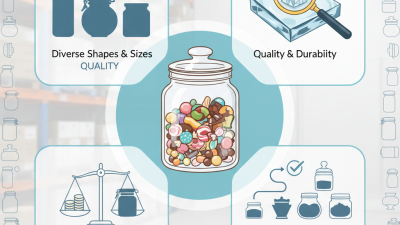
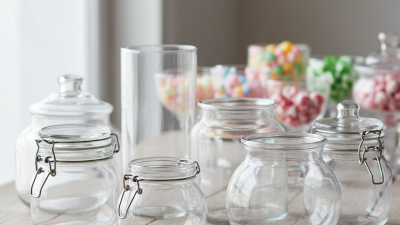
Glass jars offer intriguing design versatility for branding. They easily accommodate various sizes and shapes, making them suitable for different products. The clarity of glass enhances visual appeal, allowing consumers to see the contents. This transparency can convey purity and quality, reinforcing brand values.
Customization options for glass jars are abundant. Brands can select from an array of colors, finishes, and labels. This flexibility allows companies to create a unique identity. However, the challenge lies in maintaining consistent branding across different jar designs. A thoughtful approach is necessary to ensure that each jar effectively represents the brand.
Incorporating sustainable practices can enhance the appeal of glass jars. They are recyclable, aligning with eco-conscious consumer trends. Yet, brands must navigate the balance between aesthetics and environmental responsibility. This reflection can lead to more meaningful branding strategies, strengthening connections with consumers through shared values.
Consumer Preferences for Glass Packaging in Various Industries
Consumers increasingly prefer glass packaging across various industries. This trend stems from glass's sustainability and safety aspects. Glass is recyclable and can be reused. Many consumers feel good about using eco-friendly materials. They often associate glass with higher quality and better taste.
In the food and beverage industry, glass jars preserve flavors effectively. Products in glass are often perceived as fresher. For cosmetics, glass packaging exudes luxury. It also protects delicate ingredients from harmful elements. Shoppers are drawn to the visual appeal of glass too. The clarity of glass allows them to see the product inside.
Despite these advantages, some consumers remain hesitant. Weight and breakability are valid concerns. Others may question the cost-effectiveness of glass versus plastic. These factors can influence purchasing decisions. It creates a gap in understanding for some shoppers. However, as awareness of the environmental impact of packaging grows, many are willing to embrace glass. The future may lean more towards this classic material.

 +86 183 6377 3366
 Contact Email