+86 183 6377 3366


A Clear Glass Jar can make a product feel clean, premium, and easy to recognize. But the right choice depends on more than appearance. Capacity, opening width, glass weight, closure fit, and supplier consistency all affect how a jar performs in daily use. A sample that looks elegant on a desk may be awkward to fill or too heavy for your shipping needs.
Compare jars with your actual product and process. Check whether a spoon or pourer fits through the mouth. Test the lid for a secure, even seal. Look closely at the base and rim for chips, uneven edges, or noticeable variation between samples. Then request case-pack details and repeat-order information from the supplier. Small differences matter when you order at scale. They can also be easy to overlook.
This guide will help you weigh these practical details against shelf appeal, budget, and brand fit. There is no perfect jar for every business; sometimes the most attractive option creates a packaging problem you did not expect. One important limitation: no source material was provided, so I cannot responsibly name an industry expert or present a quotation as something they said. A verified expert quote should be added only after checking its source.
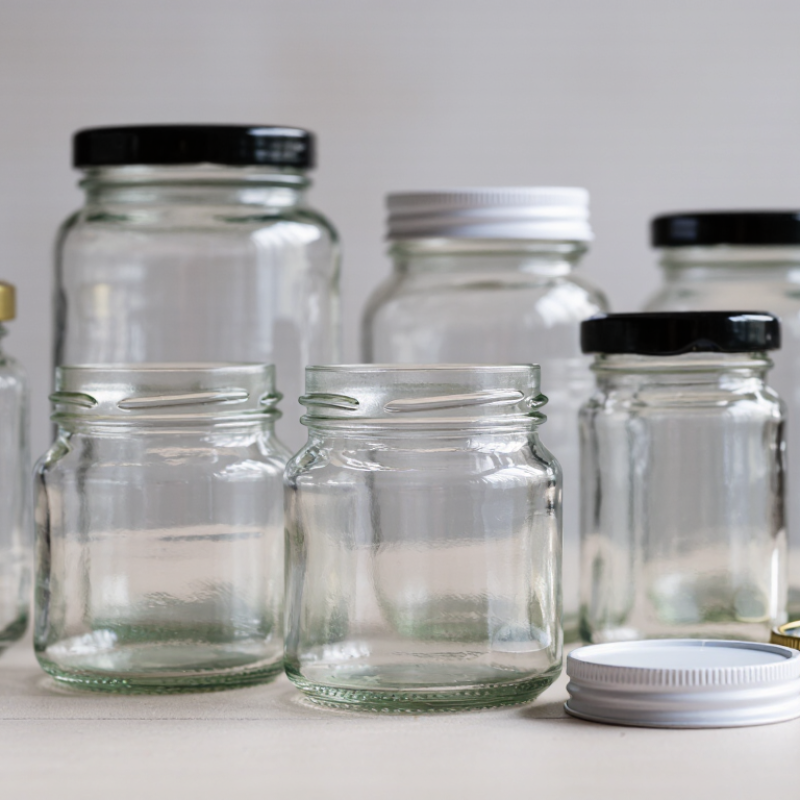
Before comparing clear glass jars, define what will go inside and how customers will use it. Dry spices, acidic sauces, and oily dressings place different demands on the jar and closure. Confirm that the glass and any liner or coating suit the intended food contact. Clarity looks appealing, but appearance alone says little about compatibility.
Shelf life depends on more than the container. Light can affect some foods, while oxygen and moisture may enter through an unsuitable closure. Consider whether the product needs a tight seal, light protection, or a specific storage temperature. Test filled samples under realistic conditions, then check for changes in color, aroma, texture, and leakage over time. Small tests matter.
Filling conditions also shape the choice. A jar filled with a hot product must tolerate the temperature change without cracking; confirm the supplier’s thermal limits rather than guessing. Check the opening against the filling line, too. A narrow mouth may slow filling or leave residue around the rim. Measure the actual product temperature and line speed, since a setup that works in a trial can behave differently during a full run. It is easy to overfocus on the jar’s appearance. The closure and process deserve equal attention.
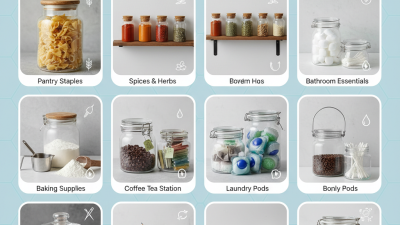
Match jar capacity to the amount customers will use, not just the product’s weight. A 250 ml jar may hold less than 250 grams of a dense paste, while airy contents can require more headspace. Check the product’s fill volume, settling behavior, and serving size. Then test a few samples. A jar that looks right on a shelf may be awkward to grip or difficult to fill consistently.
Neck finish must match both the closure and your filling equipment. Confirm the thread type, diameter, and sealing surface against the cap drawing. Small differences can cause cross-threading, leaks, or caps that loosen during handling. Also compare the jar’s opening with your filling nozzle and cleaning setup. A wider mouth may speed filling, but it can affect closure choice and label proportions. No chart replaces a line trial. Check samples at normal operating speed, and inspect filled jars after cooling or settling. That step is easy to skip.
Tips: Ask the jar supplier for dimensional drawings and closure samples. Run a short trial with your actual product, cap, and filling settings. Record any jams, drips, or uneven fills before placing a larger order.
Soda-lime glass has a density near 2.5 g/cm³, or about 2.5 kilograms per liter. That figure describes the material, not the finished jar. A thick base and heavy walls add shipping weight, even when two jars look similar. The European Commission’s Glass Manufacturing Best Available Techniques Reference Document identifies soda-lime-silica glass as a key container-glass type. For buyers, its density offers a useful starting point, not a complete specification. Check the jar’s actual weight and capacity before estimating carton loads or freight costs.
ASTM C693 describes a buoyancy method for measuring glass density; it does not set one universal value for every formulation. Small composition differences can shift measured results. Soda-lime glass is widely used for clear food and beverage containers, while borosilicate is often selected where greater thermal-shock resistance matters. The right choice depends on filling temperature, storage, and handling—not density alone. A jar that feels solid on a sample table may become costly in large shipments. I still find weight easy to overlook. Measure a filled sample, inspect the base and rim, and test it under your real packing conditions. That matters.
A clear jar should do more than display its contents well. Its glass must resist water-related chemical attack during storage and use. ISO 719 tests glass grains in water at 98°C, then assesses the alkali released. The result places the glass in a hydrolytic-resistance class. This gives buyers a useful material-screening measure, especially when comparing jar samples from different suppliers.
Keep one limitation in mind: ISO 719 tests prepared glass grains, not a finished jar under real filling conditions. A passing result alone cannot predict every interaction with your product, processing temperature, or closure. Ask for the test report, sample details, and classification. Check that the tested glass matches the jars you plan to order. I would not rely on a certificate without confirming that link. Small detail. It matters.
Tips: Request representative samples and inspect them for chips, uneven walls, and clarity. Discuss your actual contents and filling process with the supplier, then consider product-specific compatibility testing before a large order.
For a business selecting clear glass jars, sustainability is more than a label on a product page. The EU glass packaging recycling rate reached 75.9% in 2022, a useful indicator of established collection and recycling systems. It does not guarantee that every jar will be recycled; local collection, sorting, and contamination still matter. Small details count. A simple jar shape, a widely accepted glass color, and an easily removed label can make sorting easier. Check whether the closure and label materials can be separated before choosing a format.
Compare jar weight with the protection your product actually needs. A heavier container may feel sturdy, but it can increase shipping load and handling impacts. Test filled samples for leaks, breakage, and shelf stability, then review transport packaging. Clear glass lets customers inspect contents, while light exposure can affect some products. Consider storage conditions and any needed protection. Ask suppliers for material specifications and recycling guidance, then verify claims against local waste services. No system is perfect. A pilot run can reveal breakage and sorting issues that looked minor on paper.
| Selection dimension | Verified data or practical check | What it means for your business | Source |
|---|---|---|---|
| EU glass packaging recycling rate | The EU recycling rate for glass packaging was 75.9% in 2022. | Glass packaging has an established recycling stream in the EU, but actual recovery depends on local collection and sorting systems. | Eurostat, Packaging waste statistics |
| EU recycling targets | EU packaging rules set glass recycling targets of 70% by 2025 and 75% by 2030. | When selling in the EU, consider how jar design and packaging information support recycling and applicable market requirements. | EU Directive 94/62/EC, as amended |
| Recyclability of the complete pack | Check the jar, lid, liner, label, adhesive and any decorative coating as a complete package; materials and local sorting rules can affect recyclability. | Ask suppliers for component material specifications and confirm disposal guidance for your intended sales markets. | Design and market-specific verification recommended |
| Jar capacity and fill requirements | Compare nominal capacity, brimful capacity, usable fill volume and headspace with the product’s filling process. | Request dimensional drawings and test filling samples before choosing a production specification. | Confirm against supplier specifications and product requirements |
| Closure and product compatibility | Check the jar finish, closure fit, seal integrity and compatibility with the product and filling conditions. | Conduct fit, leakage and product compatibility tests; do not assume that visually similar jars share the same closure specification. | Validate with supplier samples and your filling process |
| Clear-glass product visibility | Assess clarity, visual consistency and label placement using the actual product under expected retail lighting. | Request production-representative samples and check that the contents, label and required information remain easy to see. | Practical quality-control check |
| Transport durability and breakage | Evaluate jar dimensions, weight, packing configuration and breakage performance in representative shipping conditions. | Run a packaging and transit trial before ordering at scale; include breakage and damage in total-cost comparisons. | Test with your logistics route and shipping configuration |