How to Choose the Best Glass Bottles for Your Needs?
Choosing the right glass bottles can significantly impact your experience with various products. According to a recent industry report by Grand View Research, the global glass bottle market is projected to reach $79 billion by 2027. This growth reflects the rising demand for eco-friendly packaging solutions that glass bottles provide. Industry expert Dr. Emily Hartman emphasizes, "The clarity and purity of glass bottles play crucial roles in preserving product integrity."
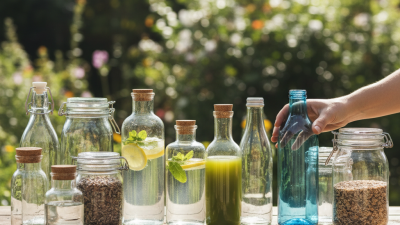
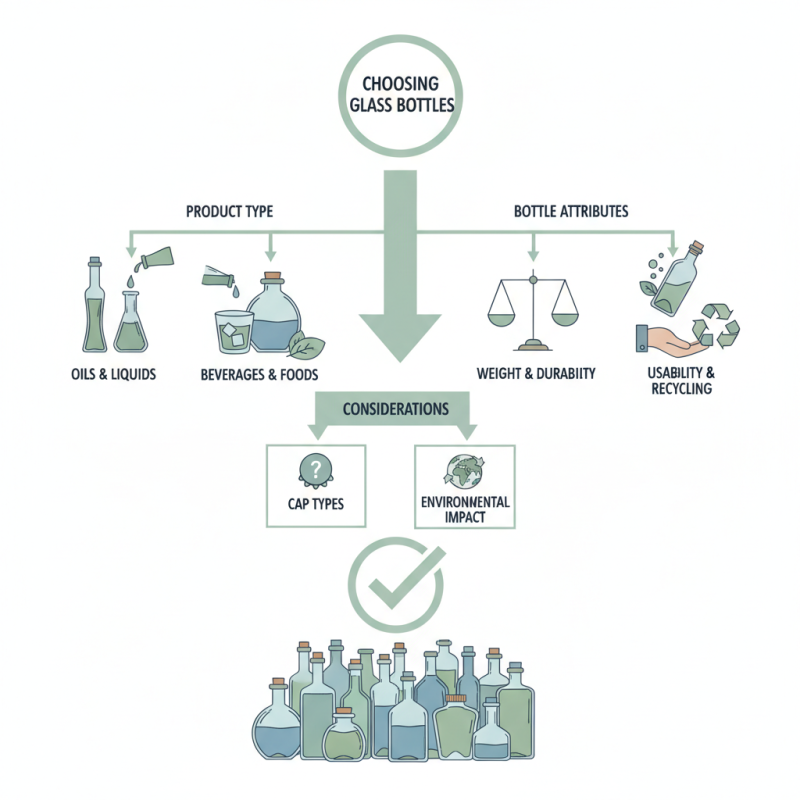
Consumers often overlook the fact that glass bottles come in many sizes, shapes, and designs. Each bottle type serves different purposes. For instance, a narrow neck bottle is ideal for oils, whereas wider openings suit beverages. When selecting glass bottles, consider their material quality, weight, and usability.
Yet, the perfect choice isn't always clear. Sometimes, seemingly small details can make a big difference—like cap types or recycling options. Reflecting on these choices can lead to better decisions. With the right knowledge, one can navigate the complex world of glass bottles, ensuring that the chosen product aligns with personal needs and environmental values.
Understanding Your Needs: Identifying Purpose and Usage for Glass Bottles
Choosing the right glass bottle starts with understanding your specific needs. Are you looking for a durable option for daily use, or something elegant for special occasions? Research indicates that around 70% of consumers prefer glass over plastic due to health concerns. Glass is non-toxic and doesn’t leach harmful chemicals into your beverages. Think about what you plan to store. Will it be water, juices, or oils? Different liquids may require different types of glass.
Consider the bottle’s shape and size. A wider mouth may facilitate cleaning and pouring. Statistics show that over 60% of users find wide-mouth bottles easier to fill and clean. However, they may take up more space. Reflect on where you will store the bottle. Compact designs work best for tight spaces but may not hold as much.
It's also essential to consider the bottle’s weight. A heavier bottle may feel more premium but could be inconvenient for on-the-go lifestyles. Nearly 40% of people report that weight influences their purchasing decision. Remember, aesthetic appeal shouldn't compromise functionality. Finding the right balance can be a challenge, but it's necessary for a satisfying experience. Each choice you make should genuinely fit your routine and lifestyle.
Evaluating Different Types of Glass Bottles: Shapes, Sizes, and Features
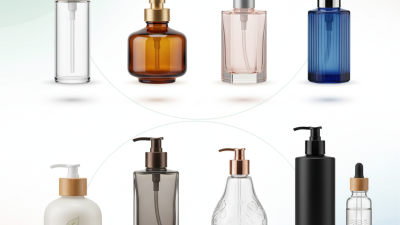
When choosing glass bottles, consider their shapes, sizes, and features. Different shapes serve different purposes. A wide-mouth bottle is easy to fill and clean. Yet, it might not fit in all cup holders. Slim and tall bottles are stylish but can be harder to grip. Think about your lifestyle. Do you need something portable?
Size is another crucial factor. A smaller bottle is good for quick hydration on the go. Larger bottles hold more but can be heavy. Balance is key. You might want to carry a bigger bottle for all-day use but find it cumbersome during workouts.
Features matter too. Some bottles come with lids that prevent spills. Others have ice core designs for chilling drinks. There are bottles that offer insulation, keeping liquids hot or cold for hours. Reflect on what features matter most to you. It can be overwhelming with so many options available. What looks good might not always fit your needs. Take your time to evaluate what you truly want.
Assessing Safety and Health Standards: Ensuring Non-Toxic Options
When selecting glass bottles, safety and health standards are paramount. Many consumers are unaware that glass, while generally safer than plastic, can still pose risks. Reports show that some glass products may contain lead or cadmium, substances that leach into liquids. The U.S. Food and Drug Administration (FDA) has guidelines, but not all manufacturers comply.
**Tip:** Always look for bottles that are labeled as BPA-free and made from food-grade glass. This type ensures minimal chemical leaching.
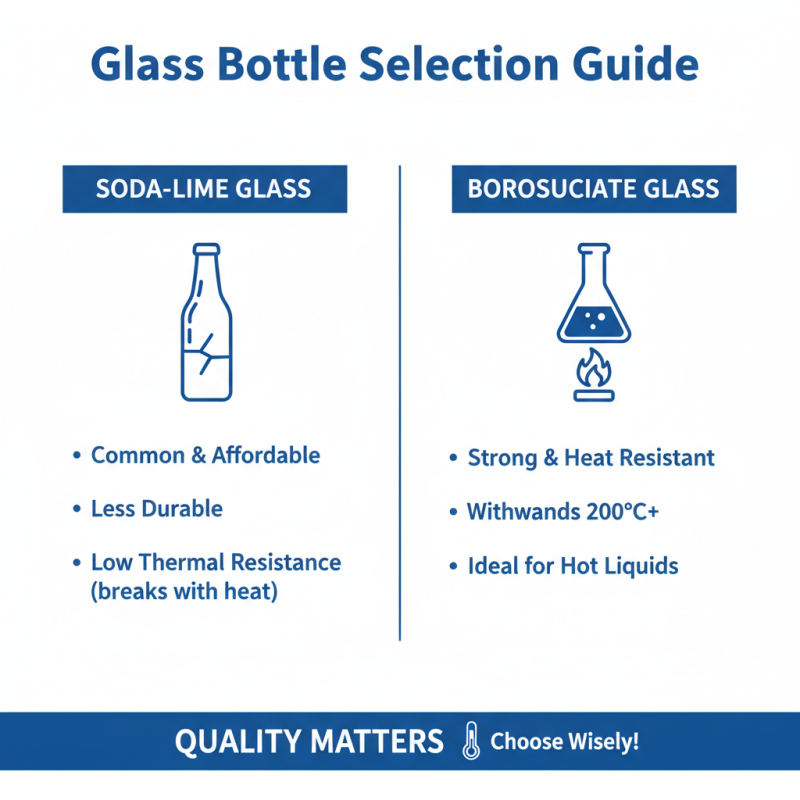
Check for certifications, like those from NSF or ISO, which indicate adherence to safety standards. Research shows that glass bottles made from borosilicate material resist thermal shock. This makes them suitable for both cold and hot liquids, enhancing their usability.
**Tip:** When in doubt, choose options from known industry guidelines. If you notice unusual markings or unclear information on labeling, reconsider your choice. Safety should never be compromised when selecting bottles for everyday use.
How to Choose the Best Glass Bottles for Your Needs? - Assessing Safety and Health Standards: Ensuring Non-Toxic Options
| Feature |
Description |
Safety Standard |
Health Considerations |
| Material |
Borosilicate glass, frosted or clear |
ASTM E438 |
Non-reactive with beverages |
| Lid Type |
Screw-on, flip-top, or bamboo lid |
FDA-approved materials |
Avoids chemical leaching |
| Capacity |
Various sizes (250ml to 2L) |
Exceeds safety limits |
Prevents overconsumption |
| Diswasher Safe |
Yes or No options |
ISO 9001 Certified |
Ease of cleaning |
| Price Range |
$5 to $30 |
N/A |
Budget-friendly options available |
Exploring Aesthetic Factors: Color, Design, and Branding Choices
When selecting glass bottles, aesthetics play a crucial role. Color can evoke emotions and create an atmosphere. Often, clear bottles showcase the product beautifully. However, colored glass adds mystery and depth. Shades of green and brown can suggest organic or natural products. But picking the wrong color might alienate potential customers.
Design is equally important. The shape of a bottle influences how it feels in hand. Sleek, modern designs might attract a younger audience. In contrast, vintage styles can appeal to nostalgia. Labels also matter; they should be legible yet artistic. Experimenting with different designs can lead to unexpected results. Sometimes, simplicity outweighs complexity. Brands should think carefully about these choices.
Branding choices solidify the visual identity. Custom logos can enhance recognition. But keep it clear; clutter can confuse rather than attract. People often overlook the significance of these elements. They can make or break a product's appeal. Reflecting on these choices can strengthen a brand's presence in a competitive market.
Choosing the Best Glass Bottles: Aesthetic Factors Analysis

 +86 183 6377 3366
 Contact Email