What is a Liquor Glass Bottle and its uses in the beverage industry?
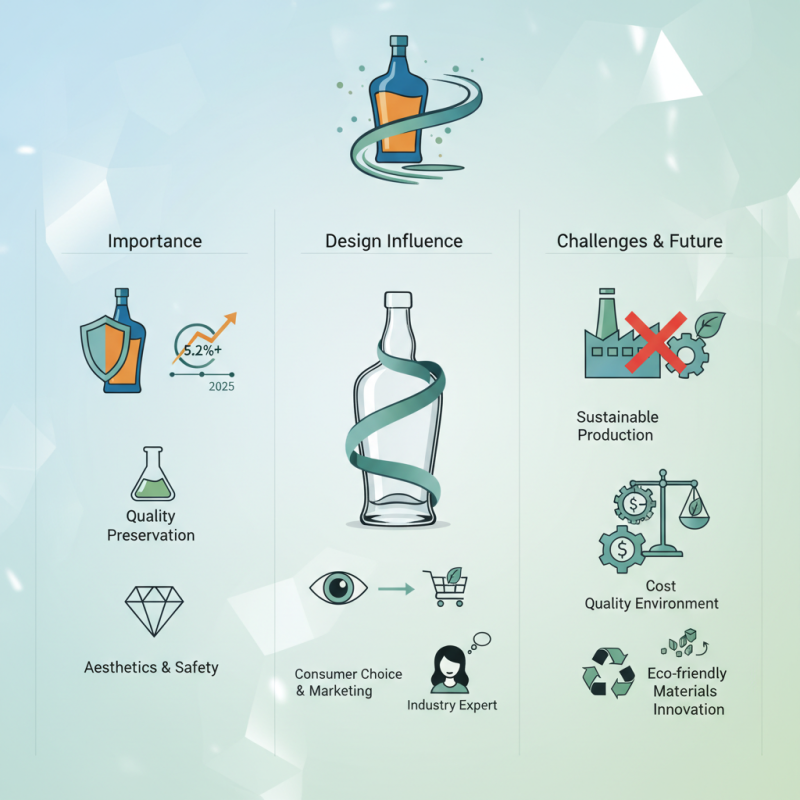
The Liquor Glass Bottle plays a crucial role in the beverage industry. It is widely used for packaging various alcoholic drinks, enhancing both safety and aesthetics. According to a recent report by Beverage Marketing Corporation, the global glass bottle market is expected to grow by 5.2% annually through 2025.
Industry expert Dr. Emily Hart, a packaging specialist, emphasizes the importance of design in this sector. She states, "A Liquor Glass Bottle not only preserves the quality but also represents the brand's essence." The visual appeal of these bottles influences consumer choices, making them vital for marketing.
However, the industry faces challenges. Sustainable production methods are increasingly necessary. Many manufacturers still rely on traditional processes, which can be resource-intensive. Further innovation in eco-friendly materials is needed. It is essential to reflect on the balance between quality, cost, and environmental impact in the production of Liquor Glass Bottles.
Definitions and Characteristics of Liquor Glass Bottles
Liquor glass bottles are essential in the beverage industry. They serve various uses, from storage to presentation. Typically made of smooth, clear glass, these bottles highlight the rich colors of the liquid inside. Their weight provides a sense of quality. When filled, they often feature labels that tell a story, capturing consumer interest. The design may vary, but many have unique shapes that make them stand out on shelves.
These bottles also play a significant role in preserving the beverage's flavor. Glass is impermeable, which means it keeps out air and light. This factor helps maintain taste and aroma over time. However, not all glass bottles are created equal. Some are thicker and more durable, while others can easily break. It's crucial to consider the bottle's characteristics before use. The shape can influence pouring and drinking experiences as well.
In addition to functionality, liquor glass bottles convey a sense of elegance. They are common in bars and homes alike. Yet, the industry faces challenges related to recycling and sustainability. Many bottles end up in landfills or are difficult to recycle. It is becoming increasingly important to find greener solutions. Balancing tradition and innovation is key for future developments in this area.
Common Types of Liquor Glass Bottles in the Beverage Industry
Liquor glass bottles are essential in the beverage industry. They serve various purposes, from storing to showcasing spirits. A key aspect is the design and material used. Different types of bottles cater to specific beverages and market segments.
Common types include standard wine bottles, whiskey bottles, and unique designs for craft spirits. Standard wine bottles usually hold 750ml of liquid. They often come in green or brown glass, which protects the contents. Whiskey bottles, typically square or rectangular, have a thick base. This design helps convey quality and durability.
Craft spirit bottles vary in shape and size. Many use innovative designs to stand out on shelves. According to a 2022 industry report, premium spirits saw a 15% increase in market share. This trend highlights the importance of distinctive packaging in attracting customers.
Tips: Choose bottle shapes that resonate with your brand identity. Unique designs can capture consumer attention. Ensure labels are clear and informative. The right packaging can make a significant impact on sales.
Manufacturing Process of Liquor Glass Bottles
The manufacturing process of liquor glass bottles is intricate and requires precision. Initially, raw materials like silica sand, soda ash, and limestone are mixed. This combination is the foundation for high-quality glass production. According to industry reports, approximately 60% of glass produced globally is used in beverage packaging.
Once the materials are mixed, they are melted in a furnace. The temperature reaches around 1,700 degrees Celsius. This step is crucial, as it determines the glass's clarity and strength. Molding follows the melting process. Hot glass is shaped into bottles using molds. Each mold can produce numerous identical bottles, but slight variations may occur. This is where some imperfections can appear.
After molding, the bottles undergo annealing. This process helps in cooling them evenly, reducing internal stresses. Yet, not all bottles reach perfection. Some may have bubbles or uneven surfaces, which can affect their appeal. Finally, bottles are inspected and packaged for distribution. Industry data shows that about 90% of glass bottles are recycled, highlighting a focus on sustainability in manufacturing practices.
What is a Liquor Glass Bottle and its uses in the beverage industry? - Manufacturing Process of Liquor Glass Bottles
| Feature |
Description |
| Material |
Typically made from high-quality glass to ensure durability and aesthetic appeal. |
| Capacity |
Common capacities range from 375ml to 1.75L. |
| Uses |
Used for packaging spirits, liquors, and premium beverages. |
| Manufacturing Process |
Involves melting glass, molding, annealing, and inspecting for quality. |
| Sustainability |
Glass bottles are recyclable and considered an environmentally friendly packaging option. |
| Design |
Customizable shapes and colors to enhance brand visibility. |
Advantages of Using Glass Bottles for Liquor Products
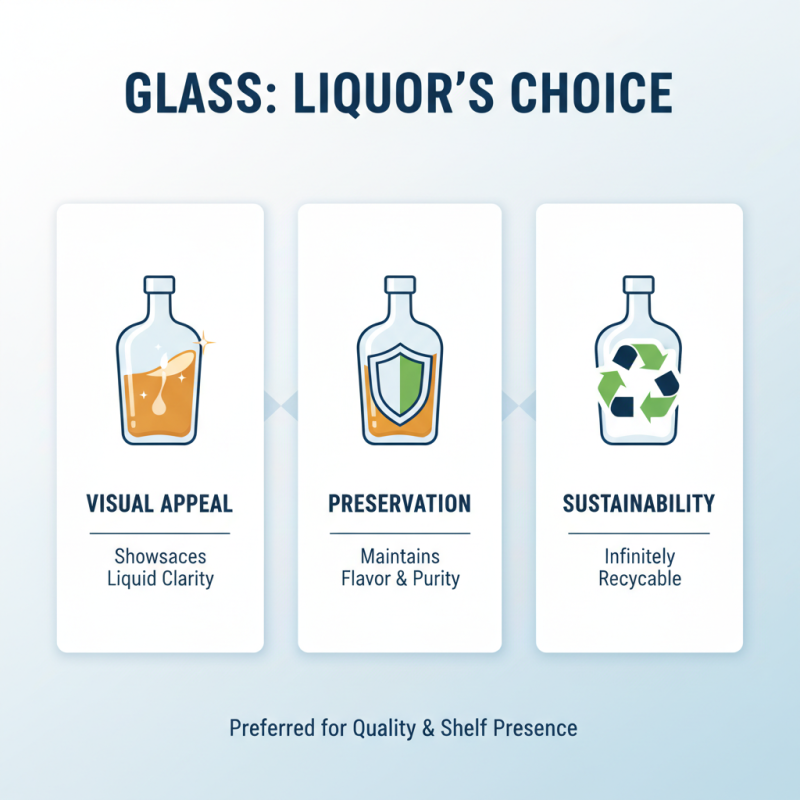
Glass bottles play a vital role in the beverage industry, especially for liquor products. They offer several advantages that make them a preferred choice. First, glass bottles provide an aesthetically pleasing look. Their clarity showcases the beverage inside. This visual appeal attracts consumers and enhances the product’s presence on the shelf.
Additionally, glass is a non-reactive material. It does not absorb flavors or odors. This characteristic helps maintain the original taste of the liquor. When stored in a glass bottle, the spirit remains pure. This is crucial for high-quality products that focus on flavor integrity. However, glass bottles can be fragile. They require careful handling during production and transportation.
Furthermore, glass is recyclable, promoting sustainability in the industry. Using recycled glass reduces energy consumption and waste. It aligns with eco-friendly practices that many consumers prioritize today. Yet, the recycling process itself can be complicated. Not all glass is accepted at recycling facilities. This inconsistency calls for more awareness and improvement in the recycling systems. Overall, while glass bottles offer substantial benefits, there are also challenges to consider in their usage.
Uses and Applications of Liquor Glass Bottles in Beverage Packaging
Liquor glass bottles play a crucial role in the beverage industry. They are primarily used for packaging spirits, wines, and other alcoholic beverages. The global glass packaging market for liquor reached approximately $36 billion in 2022. This figure is expected to grow as consumers increasingly prefer glass over plastic. Glass offers a premium feel and retains flavors better, making it ideal for high-quality alcoholic drinks.
One significant application of liquor glass bottles is in branding. Distillers and wineries utilize unique bottle shapes and designs to stand out on shelves. Research shows that 70% of purchasing decisions are influenced by packaging. This highlights the importance of attractive liquor bottle designs in driving sales. However, intricate designs can increase production costs. It poses a challenge for smaller producers competing with larger brands.
Sustainability is another concern in the liquor glass bottle sector. Recyclability is crucial, as consumers demand eco-friendly options. Yet, not all glass bottles are recycled. In many regions, recycling rates fall below 50%. This creates a need for better recycling programs. Additionally, the weight of glass bottles increases transportation costs and carbon footprints, challenging the industry's sustainability goals.
Usage of Liquor Glass Bottles in the Beverage Industry

 +86 183 6377 3366
 Contact Email