Top Tips for Sourcing Quality Glass Soda Bottles Globally?
The global demand for glass soda bottles continues to rise. As consumers increasingly prefer environmentally friendly packaging, glass soda bottles are gaining popularity. According to a 2022 industry report by Transparency Market Research, the global glass bottle market was valued at over $74 billion and is expected to grow significantly.
Sourcing quality glass soda bottles requires careful considerations. An effective strategy involves assessing suppliers based on their production capacity and sustainability practices. The brand’s image hinges on the quality and design of its packaging. Quality issues can lead to negative customer experiences and costly returns.
Professionals in the beverage industry understand that the choice of packaging reflects their commitment to quality. This mindset fosters consumer loyalty. However, not all suppliers meet the high standards necessary for the production of glass soda bottles. Companies often face challenges in ensuring consistent quality across different manufacturers. As the market evolves, staying informed about industry trends is crucial.

Understanding the Global Market for Glass Soda Bottles
The global market for glass soda bottles is diverse and dynamic. Key regions like
Europe and Asia exhibit varying
demands and preferences. For instance, European consumers often favor vintage-style bottles,
while Asian markets lean towards modern designs. Understanding these trends is
crucial for effective sourcing.
When sourcing glass soda bottles globally, consider factors like
quality and sustainability.
Not all manufacturers meet high standards, leading to inconsistent product quality. Researching suppliers and examining their production
processes help mitigate risks. Verifying certifications can enhance trust in potential partners. Quality checks should be part of your
sourcing strategy.
Navigating the challenges in this market requires flexibility.
Adapting to changes in consumer preferences and regulatory environments is essential. Some countries may impose restrictions on certain
materials. Staying informed about these regulations can prevent costly mistakes. Regularly engaging with suppliers fosters better
communication and improves product quality over time.
Identifying Reputable Manufacturers and Suppliers Worldwide
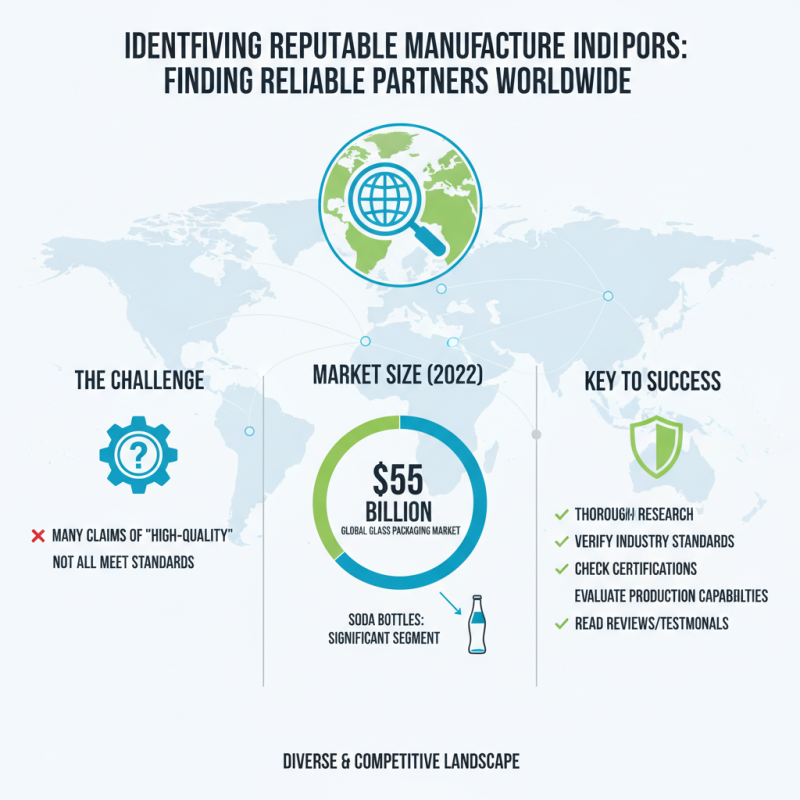
When seeking reputable manufacturers and suppliers of glass soda bottles, one must conduct thorough research. Many companies claim to produce high-quality products, but not all meet industry standards. In 2022, the global glass packaging market was valued at approximately $55 billion, with soda bottles being a significant segment. This indicates a diverse and competitive landscape.
A reliable supplier should have good manufacturing practices typically certified by international regulatory bodies. Look for certifications like ISO 9001, which ensures quality management systems are in place. Engaging with suppliers who participate in industry associations can also be a marker of legitimacy. An estimated 70% of successful businesses emphasize supplier relationships as critical to their operations.
Industry data shows a growing demand for eco-friendly packaging. This trend forces suppliers to innovate continuously. However, not all suppliers adapt effectively. Some may still rely on outdated processes. Regular inspection of supply chains is vital. Gathering feedback from previous customers can provide insights into the supplier’s consistency and reliability. Take time to assess manufacturers carefully; shortcuts in this evaluation could lead to poor product quality in the long run.
Evaluating Quality Standards and Certifications for Glass Bottles
When sourcing glass soda bottles worldwide, assessing quality standards is crucial. Organizations like the American Society for Testing and Materials (ASTM) provide rigorous guidelines. These standards cover everything from raw material quality to durability and safety. A recent industry report highlighted that bottles meeting ASTM standards are 30% less likely to break during handling and transport.
Certifications play a vital role in ensuring product reliability. The International Organization for Standardization (ISO) certifications are commonly sought by manufacturers. They indicate adherence to international quality benchmarks. However, not all suppliers possess these certifications. A study revealed that over 40% of unverified suppliers failed quality tests on the initial inspection.
More than just documents, the evaluation process should include on-site audits. Inspecting a factory before placing bulk orders can minimize risks. Engaging third-party inspectors adds an extra layer of security. Quality control measures, such as regular testing of bottle consistency and resistance, will safeguard against defective products. Yet, inconsistencies can arise, requiring ongoing dialogue with suppliers. Finding reliable sources may take time and patience, but the outcome greatly affects product quality.
Negotiating Pricing and Terms for Optimal Sourcing Deals
When negotiating pricing and terms for glass soda bottles, clarity is key. Establishing a clear budget upfront can prevent misunderstandings later. Researching market prices helps you gauge reasonable pricing expectations. This ensures that you are well-informed during negotiations.
Consider building a relationship with suppliers. Open communication fosters trust and can lead to more favorable terms. Discuss order quantities, shipping costs, and payment terms directly. The more you engage, the better your chances of securing advantageous deals.
Additionally, remain flexible in negotiations. If a supplier cannot meet your price, explore other savings options. Perhaps they can offer reduced shipping fees or priority processing. Always be prepared to walk away if the terms aren’t satisfactory. Balancing assertiveness with reason is essential in achieving optimal outcomes.
Assessing Shipping Logistics and Import Regulations for Bottles
When sourcing glass soda bottles globally, understanding shipping logistics and import regulations is crucial. Each country has unique import laws. Research these to ensure compliance. Import tariffs may vary significantly. Improper customs declarations could lead to penalties or delays.
Shipping logistics are equally vital. Choose a reliable shipping partner who understands international regulations. They can assist with documentation. Mistakes in paperwork can cause shipment hold-ups. Opt for testing shipments before full orders to avoid substantial issues.
Consider the environmental aspects of shipping. The carbon footprint of transportation is a growing concern. Investigate suppliers who use eco-friendly practices. This not only meets regulations but can also appeal to conscious consumers. Balancing cost efficiency with sustainability requires careful planning and thought.

 +86 183 6377 3366
 Contact Email