 +86 183 6377 3366
Leave Your Message
-
Contact Phone
-
 Contact Email
Choosing a glass bottle supplier is about more than comparing prices. Buyers need to assess product consistency, production capacity, customization options, and communication. A sample may look clear under showroom lights, yet reveal uneven seams or a poorly fitting cap during filling. Small details matter.
This guide introduces ten China-based suppliers of Glass Bottles for global buyers. It offers a practical starting point, not a guaranteed ranking: supplier capabilities, lead times, and minimum order quantities can change. The right partner depends on your product, packaging needs, order volume, and target market. Ask for current specifications, recent quality records, and samples made with the intended finish and closure. Check how the supplier handles breakage, production changes, and delivery updates. Get details in writing.
Look closely. A polished catalogue cannot show every production issue. Buyers should confirm whether a quoted bottle is stock or custom-made, and clarify tooling costs before approving a design. Discuss packaging for transit, too; a strong bottle can still arrive chipped if cartons or dividers are inadequate. This overview helps narrow the search and frame better questions before requesting quotations. It cannot replace factory checks or independent testing, and that limitation is worth keeping in mind. For a first order, a small trial run may reveal practical problems that a sample alone misses.
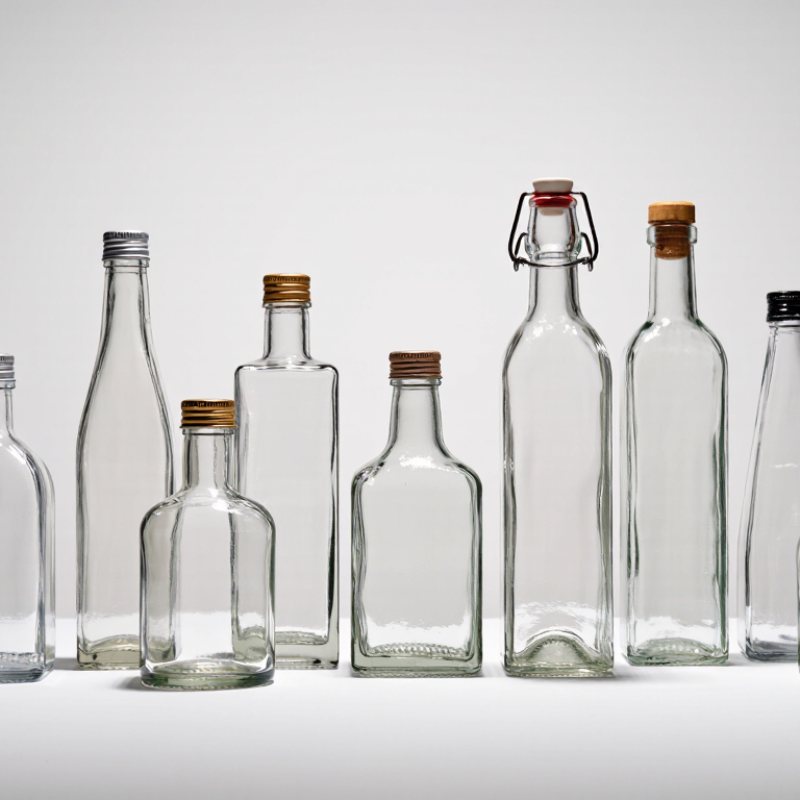
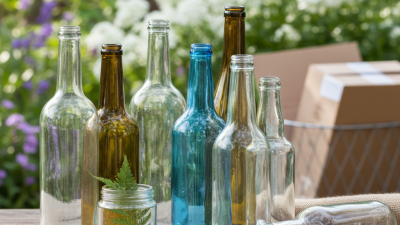
A glass bottle supplier is defined by more than its catalogue. Buyers should ask what glass composition is used and how it suits the bottle’s contents, filling temperature, and transport conditions. Soda-lime glass is common, but the right choice depends on the product and intended use. Color matters too. Amber or green glass can limit light exposure, while clear glass shows the product plainly.
Molding affects wall thickness, neck finish, and how consistently bottles fit caps or filling lines. Ask how molds are maintained and what dimensional checks are made during production. Small variations can cause trouble at a fast-moving filling line. That detail matters. Quality control should include checks for cracks, chips, uneven walls, and weak points, alongside documented sampling and test results. Request recent inspection records, not just a general assurance. Sampling misses some defects. Even a well-managed factory can have occasional variation, and pretending otherwise helps nobody. Buyers can reduce risk by agreeing on specifications, sample approval, and acceptable tolerances before placing a large order. Then compare incoming bottles against those agreed details.
| No. | Supplier Evaluation Area | Typical Materials or Process | What a Capable Supplier Should Demonstrate | Buyer Verification |
|---|---|---|---|---|
| 1 | Glass composition | Soda-lime-silica glass is widely used for food, beverage, cosmetic, and household containers. | Clear disclosure of the glass type and confirmation that the composition suits the intended product and use conditions. | Request material specifications and confirm applicable food-contact or product-safety requirements for the destination market. |
| 2 | Color options | Common container colors include flint (clear), amber, and green; color is influenced by the glass composition and colorants. | Consistent color control across production lots, with agreed reference samples or color tolerances. | Approve a production sample and specify how color variation will be assessed. |
| 3 | Batch preparation | Glass batches typically use silica sand, soda ash, limestone, and other constituents; cullet may also be included. | Documented batch control, raw-material checks, and traceability procedures. | Ask how incoming materials, batch records, and changes to the approved formulation are controlled. |
| 4 | Forming process | Container glass is commonly formed on individual-section (IS) machines using processes such as blow-and-blow or press-and-blow. | Process selection suited to the bottle design, finish, wall distribution, and order requirements. | Review drawings, sample bottles, and the supplier’s explanation of the proposed forming method. |
| 5 | Mold engineering | Bottle molds define the body shape, neck finish, base, and embossed or debossed details. | Clear mold ownership terms, dimensional drawings, mold maintenance planning, and a defined approval process. | Confirm tooling cost, lead time, revision control, storage, and ownership in the purchase agreement. |
| 6 | Dimensional control | Relevant dimensions can include height, body diameter, capacity, opening, neck finish, and sealing surface. | Inspection against agreed drawings and tolerances, especially for closure fit and filling-line compatibility. | Provide closure and line requirements, then check samples using the same measurement definitions. |
| 7 | Annealing | Newly formed glass containers pass through an annealing lehr to reduce residual stress through controlled cooling. | Controlled annealing conditions and a method for checking residual stress or related defects. | Ask for the supplier’s annealing and inspection procedures; verify the finished container under agreed criteria. |
| 8 | Visual inspection | Common checks look for defects such as cracks, stones, blisters, checks, chips, and unacceptable surface marks. | Documented inspection criteria, defect classification, sampling rules, and corrective-action records. | Agree on defect limits and acceptance-sampling rules before mass production. |
| 9 | Strength and performance | Depending on the application, checks may include vertical load, impact, thermal shock, and internal-pressure testing. | Test methods and acceptance limits matched to the product, filling conditions, and applicable standards. | Specify test conditions and request relevant test records; do not assume one test applies to every bottle. |
| 10 | Packaging and traceability | Protective dividers, cartons, pallets, and lot identification help reduce transit damage and support traceability. | Packaging designed for the shipping route, with identifiable production lots and a documented complaint process. | Confirm pallet configuration, export packaging, labeling, inspection records, and damage-claim procedures. |
| Note: These are general glass-container industry reference points, not verified specifications for individual factories. Actual capabilities, tolerances, test methods, and compliance documentation should be confirmed directly with each supplier for the specific bottle and destination market. | ||||