Top Glass Bottles for Global Buyers What to Look For?
In the dynamic world of packaging, "Glass Bottles" are increasingly favored by brands and consumers alike. According to Dr. Emma R. Carter, a leading expert in sustainable packaging, "Glass Bottles offer unmatched versatility and aesthetic appeal." This statement emphasizes the growing demand for glass packaging solutions in various industries.
When shopping for the best glass bottles, buyers must consider several factors. These include durability, design, and eco-friendliness. Glass is not only a safe material but also offers an elegant presentation. However, not all glass bottles are created equal. Observing craftsmanship and production methods can reveal critical differences.
Brands aiming to establish themselves must pay attention to quality and sustainability. High-quality glass can reduce the risk of breakage during transit. Ethical production methods further enhance the value of glass bottles. Companies should seek suppliers who emphasize these aspects. This process can be complex, but it ultimately leads to better consumer trust and satisfaction.

Top Glass Bottles for Global Buyers: An Overview
When considering glass bottles for global markets, buyers must focus on several key factors. First, the type of glass used is crucial. High-quality soda-lime glass is common due to its durability and low production costs. According to a recent industry report, the global glass packaging market is projected to grow at a CAGR of 4.2% from 2021 to 2026, indicating a steady demand for reliable glass products.
Next, bottle designs play a significant role in consumer preference. Many buyers opt for unique shapes that stand out on shelves. Customization options can attract diverse customers. However, improper handling during shipping often leads to damage. In fact, approximately 14% of transported glass bottles suffer breakage, emphasizing the need for robust packaging solutions. This is a key area for improvement in supply chain logistics.
Additionally, sustainability continues to be a major consideration. The shift towards eco-friendly materials is evident. The packaging industry reported that over 55% of consumers prefer recyclable products. Companies should consider using recycled glass to meet this demand. While there's a challenge in sourcing high-quality recycled materials, the long-term benefits are significant. Educating buyers on these aspects can lead to better decision-making and improved market outcomes.
Key Features to Consider When Selecting Glass Bottles
When selecting glass bottles, several crucial features come into play. One major aspect is the type of glass used. High-quality glass should be thick and durable, capable of withstanding pressure during transportation. Clear glass allows buyers to see the contents inside. However, colored glass can provide UV protection, preserving the quality of the liquids.
Closures are another important consideration. Secure sealing is vital for maintaining freshness. Bottles with corks, screw caps, or other reliable seals can significantly affect product lifespan. Size matters too. A range of sizes caters to different markets. Larger containers are suitable for bulk storage, while smaller ones offer convenience for on-the-go consumers.
Design is often overlooked but can influence purchasing decisions. Aesthetic appeal can attract buyers. Labels should be easy to apply and adaptable. Focus on practicality as well. Bottles should be easy to clean and refill. Consideration of these features can lead to better choices, ultimately improving market success. However, consumers may face challenges in understanding these options. More education would benefit both buyers and sellers, ensuring better alignment with consumer needs.
Top Glass Bottles for Global Buyers
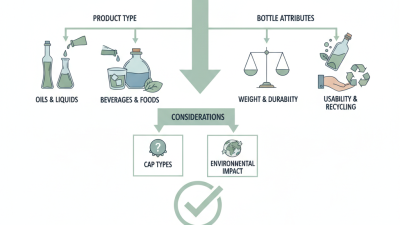
This chart highlights key features to consider when selecting glass bottles, illustrating the importance of different characteristics for buyers around the world.
Popular Types of Glass Bottles for Different Uses
When choosing glass bottles, various types cater to different needs. Beverage bottles stand out for their durability and design. They come in unique shapes and sizes, accommodating everything from juices to spirits. When selecting these, think about the neck size for pouring and the cap type. A secure lid prevents spills, which is crucial during transport. It's essential to assess whether the bottle is dishwasher safe for convenience.
Cosmetic glass bottles are another popular option. They typically feature darker hues to protect sensitive contents from sunlight. Consider the pump or dropper functionality. These can enhance user experience, but not all designs are equally efficient. Some might clog or fail after repeated use. Researching reviews from other users can offer insights into reliability.
Storage jars serve as versatile glass options for both kitchen and home organization. The airtight seals are vital for preserving contents, from spices to crafts. Look for clear glass to easily view what's inside. However, clarity can also pose a challenge in hiding imperfections with contents that might look unsightly over time. Remember to regularly clean and check these jars for wear.
Sustainability and Environmental Impact of Glass Bottles
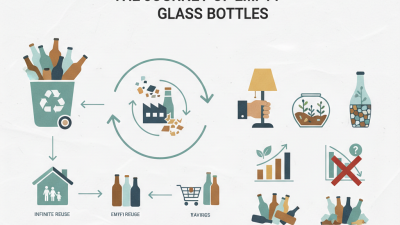
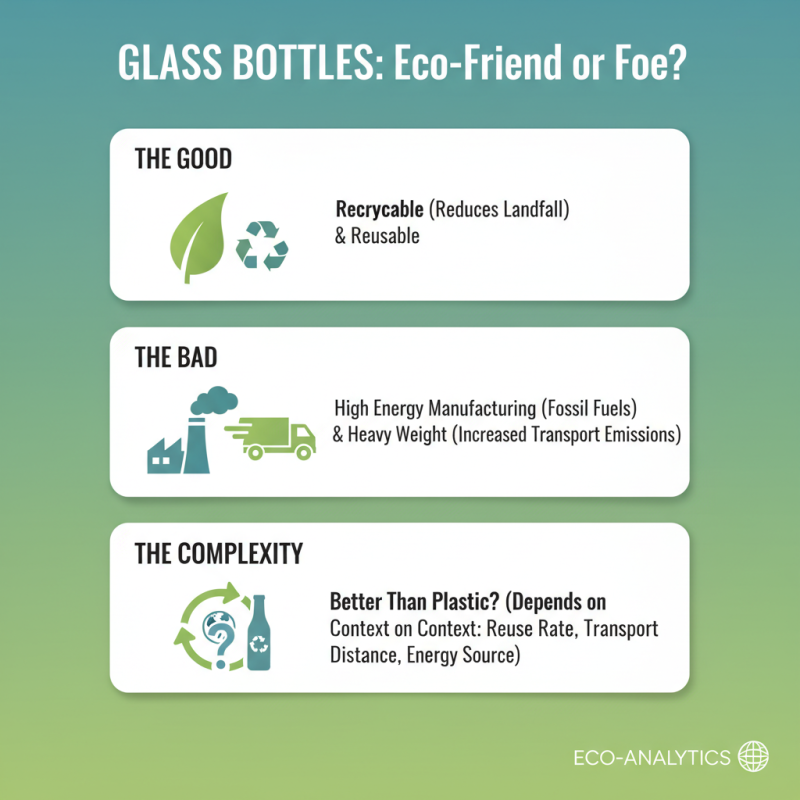
The sustainability of glass bottles is a growing concern in today's market. They are often seen as an eco-friendly alternative to plastic. However, the environmental impact of glass production and disposal cannot be overlooked. Glass manufacturing requires significant energy, often derived from fossil fuels. Additionally, the heavy weight of glass increases transportation emissions.
Recycling is a critical aspect of glass sustainability. Unlike plastics, glass can be recycled indefinitely without losing quality. Yet, collection and recycling rates vary across regions. In some areas, recycling facilities are limited, leading to increased waste. Many consumers may not be fully aware of proper disposal methods, contributing to this issue. Encouraging education on recycling practices is essential.
Choosing the right glass bottle involves understanding its life cycle. Consumers should prioritize bottles made from recycled glass to minimize the demand for new materials. It's also important to consider the bottle’s design and functionality. A well-designed bottle not only looks appealing but also promotes reuse. Reflecting on the trade-offs, one can see the potential for improvement in both production and consumer habits.
Supplier Considerations for International Glass Bottle Purchases
When sourcing glass bottles internationally, several factors demand attention. The supplier's reputation matters greatly. Established suppliers often have a track record of reliability and quality. Investigate their history and customer feedback. Sometimes, newer suppliers offer competitive pricing, but due diligence is crucial.
Quality control is another vital aspect. Understand the supplier's production standards. Certifications can indicate compliance with industry regulations. However, not all certifications guarantee excellence. It’s wise to request samples. Analyze the bottles' weight, clarity, and durability. A simple test can reveal much about the quality you can expect.
Sustainability is increasingly important in today’s market. Many buyers prefer eco-friendly practices. Ask about the supplier’s recycling efforts and waste management. Some may claim sustainability without verifying their processes. Transparency is key. Establishing clear lines of communication can help clarify these points. In the end, choose partners who reflect your values and commitment to quality.
Top Glass Bottles for Global Buyers What to Look For? - Supplier Considerations for International Glass Bottle Purchases
| Feature |
Consideration |
Importance Level |
| Material Quality |
Look for high-quality, lead-free glass |
High |
| Customization Options |
Choose suppliers that offer design customization |
Medium |
| Sustainability |
Opt for suppliers using eco-friendly practices |
High |
| Supply Chain Transparency |
Ensure clear visibility of manufacturing processes |
Medium |
| Certification Standards |
Check for compliance with international safety standards |
High |
| Lead Time |
Assess production lead times and shipping options |
Medium |

 +86 183 6377 3366
 Contact Email