Top 10 Glass Cream Jar Styles You Need to Know?
In the beauty industry, the packaging of skin care products plays a crucial role. A prominent expert, Dr. Emma Reid, once stated, "A well-designed Glass Cream Jar not only preserves the product but also elevates the consumer's experience." This highlights the importance of aesthetics and functionality in today's market.
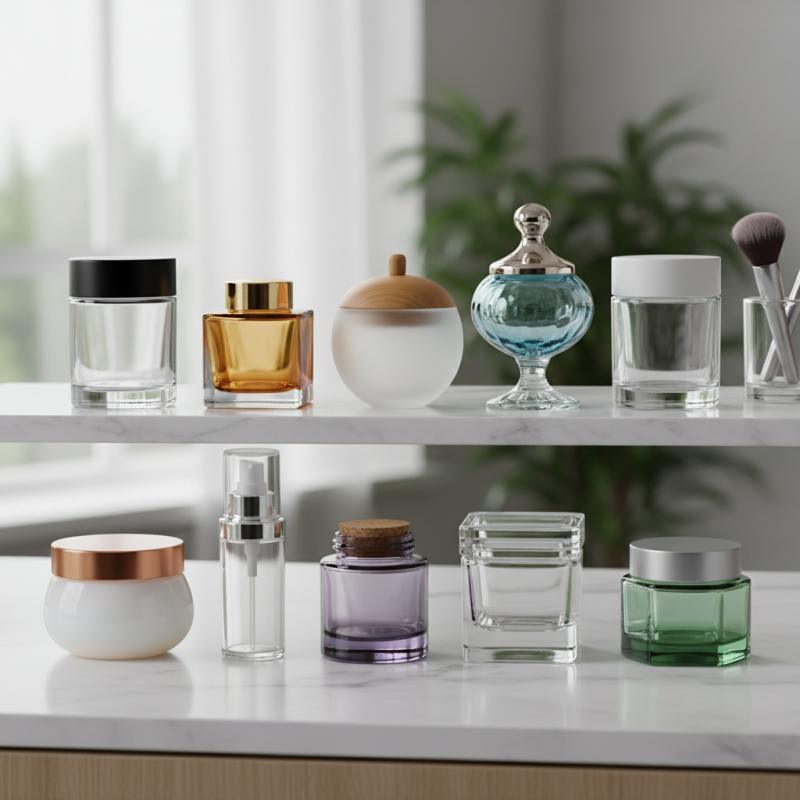
Glass Cream Jars come in various styles, each catering to different brand identities and consumer preferences. From sleek modern designs to vintage-inspired shapes, the options are vast. These jars protect creams from contamination while adding a touch of elegance to any vanity. However, despite their appeal, not all glass jars are created equal. Some may lack proper sealing, affecting product longevity.
Choosing the right Glass Cream Jar involves understanding material quality and design. Brands must consider how their packaging resonates with their target audience. While it can be tempting to focus solely on appearance, practicality must not be compromised. Exploring the top 10 styles of Glass Cream Jars can provide insight into effective packaging strategies and industry trends.
Essential Features of Glass Cream Jars to Consider
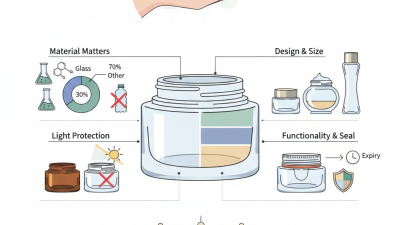
When considering glass cream jars, essential features are crucial for effective storage and presentation. First, evaluate the jar's sealing capability. A tight seal keeps ingredients fresh and prevents contamination. Look for jars with quality lids that close securely. This feature is vital for creams with sensitive formulations.
Another important aspect is the jar's thickness. Thicker glass provides better protection against UV rays, preserving the integrity of light-sensitive products. Opt for jars with an opaque finish if your cream contains delicate components that degrade under light.
Tips: Choose jars in various sizes to cater to different product needs. This flexibility allows for packaging smaller portions without compromising quality. Also, consider jars designed for easy application—some have unique shapes that fit comfortably in your hand.
Lastly, aesthetic appeal plays a significant role. A well-designed jar enhances the product's overall look and can influence consumer perception. However, it’s essential to balance design with functionality. A beautiful jar should also be practical. Reflecting on these qualities can lead to better choices in glass cream jars.
Popular Shapes of Glass Cream Jars for Skincare Products
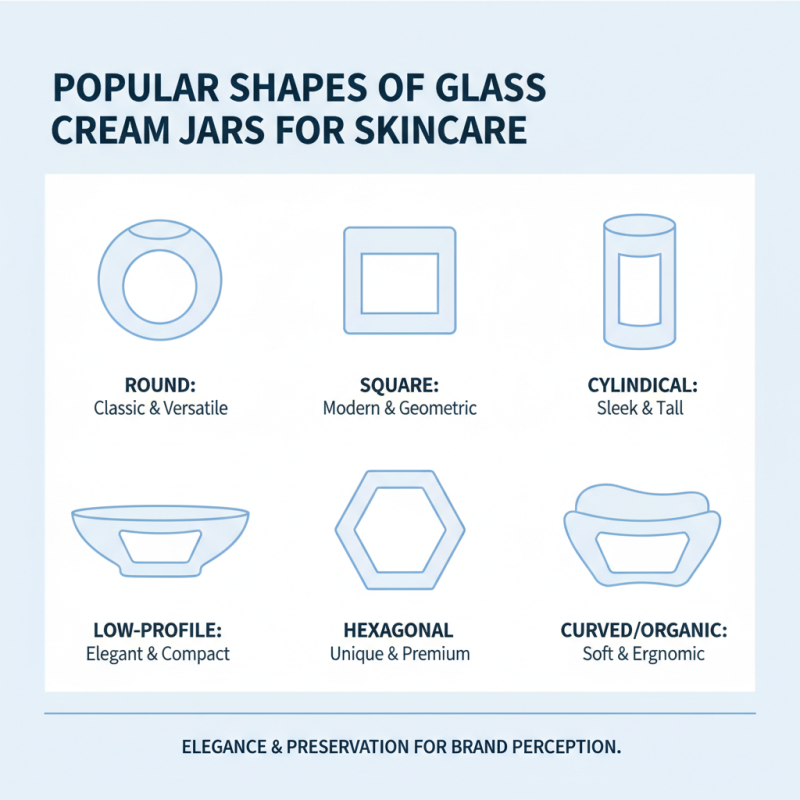
When it comes to skincare products, the packaging is as important as the product inside. Glass cream jars are widely used because they offer both elegance and preservation. The design of these jars can significantly affect user experience and brand perception. There are several popular shapes you should be aware of.
Round jars are a classic choice. Their simple silhouette is easy to manufacture and aesthetically pleasing. These containers often come in various sizes, making them versatile for different products. Another popular shape is the square jar. This design maximizes shelf space and offers a modern look. Consumers often appreciate the geometric form as it stands out on the shelf.
However, some shapes may not be ideal for all brands. Tall jars, for example, can look sophisticated but may be difficult to handle, especially with thicker creams. Similarly, jar lids that are too heavy can frustrate users, making the product less appealing. It’s essential to think about usability while considering design aesthetics. Balancing these elements will ensure that the jar enhances the product’s overall appeal.
The Role of Size and Capacity in Glass Cream Jar Selection
Choosing the right glass cream jar requires careful consideration of size and capacity. An industry report by Packaging Strategies reveals that 75% of consumers prefer jars that accommodate their product needs without excess space. This data underscores the importance of selecting a jar that fits both the quantity of cream and the frequency of use.
For creams, the ideal jar size often ranges from 30ml to 250ml. A smaller 30ml jar may be perfect for concentrated formulas or travel sizes. Conversely, larger 200ml jars cater to regular users wanting value. Each option must reflect consumer behavior and preferences. Many brands overlook this aspect, leading to waste.
Capacity impacts not just usability but also marketing. A well-chosen size enhances product appeal. A report from Mintel found that 67% of consumers associate jar size with product effectiveness. Thus, a jar that meets expected capacity helps build brand trust and customer satisfaction. Balancing function with consumer psychology is essential. A poorly sized jar could lead to disappointment and lost sales.
Innovative Designs in Glass Cream Jars for Branding Appeal
Innovative glass cream jar designs play a crucial role in branding. The visual appeal of a product can greatly influence consumer decisions. According to a recent market report, over 70% of consumers are attracted to unique packaging. Brands can effectively convey their identity through innovative jar designs.
Distinct shapes and textures can set products apart. Consumers are often drawn to jars that display craftsmanship, like embossed patterns or custom shapes. A study highlighted that 64% of consumers believe the packaging quality reflects the product quality. This creates an expectation of premium content inside glass jars. However, simplicity can also be powerful. A minimalistic design can symbolize elegance yet leaves room for improvement in consumer interaction.
Sustainability is another key factor. Glass is recyclable, making it appealing to eco-conscious buyers. In a survey, 58% of consumers stated they prefer brands using sustainable packaging. This trend pushes brands to rethink their jar designs. However, ensuring durability while maintaining an eco-friendly approach can be challenging. Brands need to balance aesthetics and functionality to meet these demands effectively.
Material Quality and Sustainability in Glass Cream Jars
When choosing glass cream jars, material quality plays a crucial role. Sustainable materials not only enhance product safety but also appeal to eco-conscious consumers. According to a recent report by the Global Packaging Alliance, over 70% of consumers prefer sustainable packaging. This trend is driving brands to seek more responsible sources for their glass jars.
Glass, as a material, is recyclable and reduces the carbon footprint over time. In fact, recycled glass can be reused multiple times without losing quality. The life cycle assessment indicates that using recycled glass over new glass can save up to 30% in energy costs. Yet, the glass production process still carries environmental concerns, particularly related to energy consumption during manufacturing.
In addition, branding shifts focus towards transparency. Consumers desire to know the origins of their products. However, many manufacturers struggle to provide complete transparency. This gap may lead to consumer distrust. Brands should aim for better supply chain practices while promoting their sustainability efforts. Balancing production and environmental responsibility remains a challenge in the industry.

 +86 183 6377 3366
 Contact Email