Top Glass Food Jar Options for 2026 What to Consider?
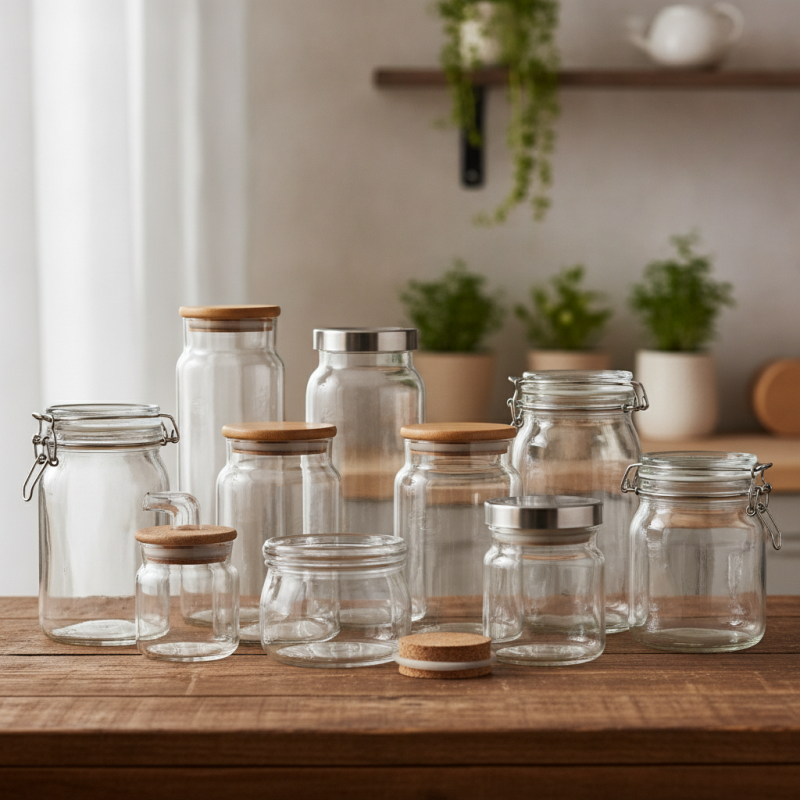
As we approach 2026, the demand for practical and eco-friendly storage solutions continues to rise. A top contender in this market is the Glass Food Jar. These jars are not only visually appealing but also offer durability and safety. With various shapes, sizes, and lids available, choosing the right one can feel overwhelming.
When considering a Glass Food Jar, it's vital to think about your specific needs. Are you storing dry goods or liquids? The type of food you plan to keep will influence your choice significantly. Additionally, the jar’s capacity, sealing mechanism, and ease of cleaning are crucial factors to weigh. You might find yourself drawn to a particular style because of its aesthetics, but functionality should not be sacrificed.
In this evolving landscape, it's important to reflect on the features that truly matter. Some jars may receive glowing reviews but might not suit your lifestyle. Personal experience plays a vital role in making informed choices. With the right considerations, a Glass Food Jar can enhance your kitchen organization while contributing to a sustainable future.
Top Trends in Glass Food Jars for 2026: Eco-Friendly Materials and Designs
The trend towards eco-friendly materials in glass food jars is gaining momentum in 2026.
Consumers are becoming more environmentally conscious. They seek containers made from sustainable materials, such as
recycled glass. This shift not only reduces waste but also promotes
recycling initiatives.
Innovative designs are also becoming popular. Many jars now
feature airtight seals that keep food fresh. Some designs incorporate attractive
colors or unique shapes to enhance kitchen décor. These aesthetic elements appeal to younger consumers who value both
functionality and style. However, some may overlook that not all "eco-friendly" labels guarantee true sustainability.
While exploring these options, it’s crucial to consider the environmental impact of production. Not every beautifully
designed jar is made responsibly. Some processes still release harmful emissions. Staying informed is essential for
making responsible choices. Buyers should research materials and their sourcing. This awareness can lead to better
decisions in supporting ecological efforts.
Key Features to Look for When Choosing Glass Food Jars: Durability and Safety
When choosing glass food jars, durability and safety are paramount. Industry studies show that glass is favored for its inert properties. It doesn't leach harmful chemicals into food, unlike some plastics. The National Institute of Health reported that 95% of consumers prefer glass for food storage.
Durability comes from the type and thickness of glass used. Borosilicate glass is highly resistant to thermal shock and can withstand extreme temperatures. This makes it suitable for both hot and cold foods. However, thicker glass can be heavy, which may not be convenient for everyday use. It's essential to balance weight and sturdiness when selecting jars.
Safety features are also critical. Look for jars that have BPA-free lids and seals. Mislabeled products can pose risks, so always check for certifications. Research indicates that over 20% of consumers have encountered misleading packaging. Ensuring the safety of food storage can often be overlooked but is essential for health.
Durability and Safety Ratings of Glass Food Jars (2026)
Market Analysis: Projected Growth of the Glass Food Jar Industry by 2026
The glass food jar industry is projected to experience significant growth by 2026. As consumers increasingly prioritize sustainability, glass jars stand out as eco-friendly storage options. They are reusable and recyclable, contributing to reduced plastic waste. This shift reflects a broader trend towards environmentally conscious choices.
Market research indicates a rising demand for versatile glass food jars. These jars are popular for meal prep and food storage. Their airtight seals keep contents fresh and safe. The growing interest in healthy eating habits further drives this demand. However, there are challenges to consider, such as competition from alternative materials.
Consumer education is vital in navigating this market. Many still associate glass with fragility. Yet, advancements in design have led to more durable options. Education about safety, usability, and care could reshape perceptions. Also, pricing strategies will play a crucial role. Emerging trends show that affordability may influence consumer choices heavily. Understanding these dynamics is essential for success in this evolving landscape.
Comparative Study of Glass vs. Plastic Food Storage Solutions: Health Impacts
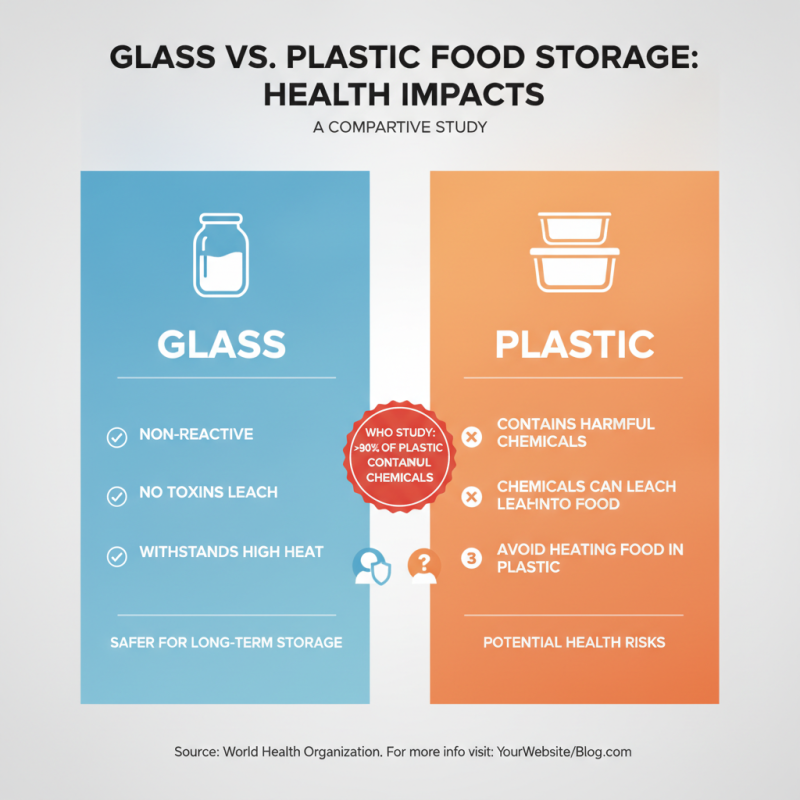
When it comes to food storage, glass and plastic containers have distinct advantages and disadvantages. According to a study from the World Health Organization, over 90% of plastic containers contain harmful chemicals. These substances can leach into food, especially when heated. In contrast, glass jars are non-reactive. They do not release toxins and can endure high temperatures. This makes glass a safer choice for long-term food storage.
Research published in the Journal of Food Science indicates that glass containers help maintain food quality better than plastic. They prevent moisture infiltration and preserve flavors. Glass is more durable than many people think, often withstanding numerous washes. Yet, there is the risk of breakage. This aspect requires careful handling, especially in busy kitchens.
Moreover, environmental concerns also play a role. Glass is recyclable and has a smaller environmental footprint when compared to plastic, which contributes to pollution. Yet, glass is heavier, leading to increased transportation emissions. This contradiction invites reflection on our choices. In the quest for effective food storage solutions, it's vital to weigh health implications against convenience and environmental impact.
Cost-Effectiveness of Glass Food Jars: Long-Term Savings and Value
When considering glass food jars, their cost-effectiveness stands out. Unlike plastic containers, glass jars can last for years. Investing in quality glass means fewer replacements over time. This can lead to significant savings.
Glass jars are often more than just storage solutions. They preserve food freshness and flavors better than plastic. This longevity reduces food waste, allowing you to enjoy more of what you purchase. Ultimately, the initial higher cost of glass can translate into long-term financial benefits.
However, not all glass jars are created equal. Some may chip or crack, leading to unexpected costs. It's important to research and choose jars known for their durability. Reflecting on budget and needs can guide you toward cost-effective options that truly deliver value over time.

 +86 183 6377 3366
 Contact Email