Top 10 Glass Food Jars for Storing Keeping Your Food Fresh?
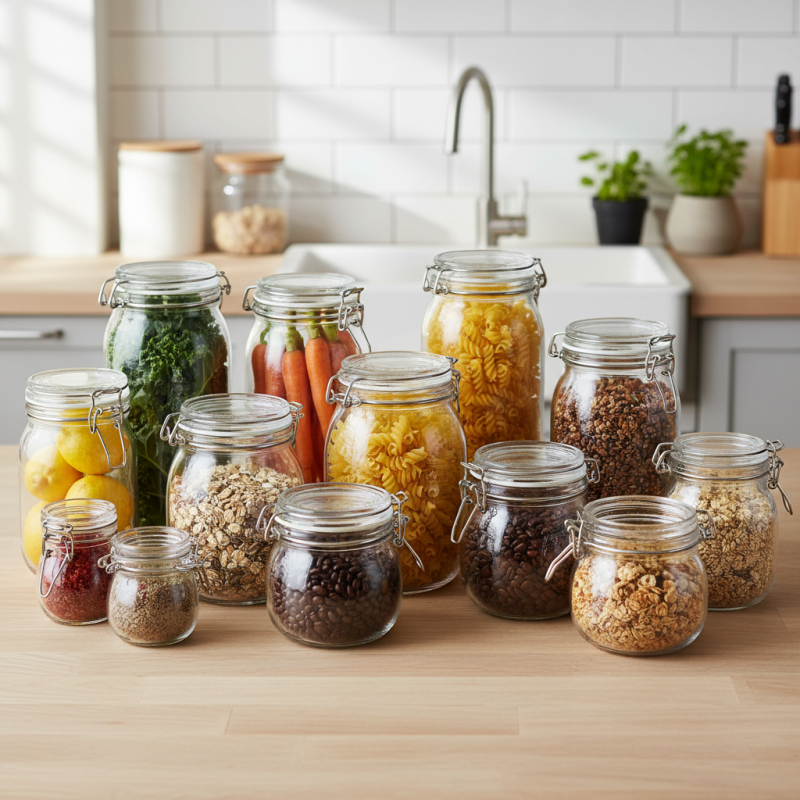
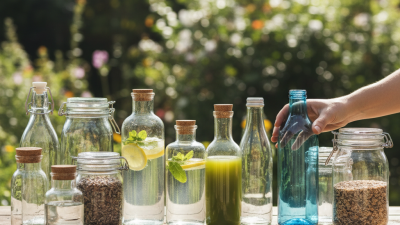
In the quest to keep our food fresh, choosing the right container is crucial. A Glass Food Jar is often the best option. These jars enhance visibility, making it easier to see what's inside. Plus, they come in various sizes, catering to different storage needs.
One challenge is the weight of glass. It can be cumbersome compared to plastic alternatives. However, many prefer glass for its durability and aesthetic appeal. The sleek design fits well in any kitchen. You might find that glass jars spice up your kitchen decor.
Be cautious when using Glass Food Jars. They can break if mishandled. Proper care is essential. Despite the drawbacks, these jars remain popular for a reason. They preserve the quality of food effectively. Investing in high-quality glass jars can lead to noticeable improvements in food storage experiences.
Benefits of Using Glass Food Jars for Food Storage
Using glass food jars for storage offers several benefits. One major advantage is their ability to keep food fresh. Glass is airtight, preventing moisture and air from spoiling your contents. It reduces the risk of oxidation, which can affect flavors and nutrients. When you open a glass jar, you enjoy the same taste as when it was packed. This freshness is hard to achieve with plastic containers.
Glass jars also have a non-reactive surface. Unlike some plastics, they don't leach harmful chemicals into food. This makes them safer for storing various foods, including acidic items. Additionally, glass doesn't absorb odors or stains. You can store tomato sauce or spices without worrying about lingering smells.
However, glass jars are not always perfect. They can break easily, which is a common concern. You must handle them with care, especially in busy kitchens. Cleaning glass jars can be a chore, particularly if they have tight spaces. Despite these issues, the benefits of glass jars often outweigh the drawbacks. They provide a reliable and attractive solution for food storage.
Top 10 Glass Food Jars for Storing Keeping Your Food Fresh
| Jar Type |
Capacity (Liters) |
Seal Type |
Best For |
Price Range ($) |
| Wide Mouth Jar |
1.0 |
Screw Lid |
Grains, Pasta |
10 - 15 |
| Mason Jar |
0.5 |
Ball Lid |
Canning, Preserving |
8 - 12 |
| Cookie Jar |
1.5 |
Airtight Lid |
Cookies, Snacks |
15 - 20 |
| Fermentation Jar |
2.0 |
Air Lock |
Vegetables, Kombucha |
20 - 30 |
| Spice Jar |
0.2 |
Flip Top |
Spices, Herbs |
5 - 10 |
| Storage Canister |
3.0 |
Toggle Lid |
Coffee, Sugar |
15 - 25 |
| Cereal Jar |
1.8 |
Sealed Lid |
Cereals, Oats |
12 - 18 |
| Beverage Jar |
2.5 |
Spigot Lid |
Infusions, Drinks |
20 - 35 |
| Pickle Jar |
1.5 |
Tamper-Evident Lid |
Pickles, Ferments |
15 - 22 |
| Snack Jar |
1.2 |
Lid |
Mixed Snacks |
10 - 18 |
Factors to Consider When Choosing Glass Food Jars
When choosing glass food jars, consider the size.
Larger jars are great for storing bulk items, like grains. Smaller jars work well for spices or snacks.
You might think bigger is better, but space is limited in most kitchens. Finding the right balance between
size and capacity is essential.
Next, think about the jar's lid. A tight seal is vital
for keeping food fresh. Look for jars with silicone gaskets or metal lids. They often provide better sealing
compared to plastic. However, they can be harder to clean. As you choose, weigh the pros and cons of materials.
Lastly, think about the jar's transparency. Clear jars allow you to see contents easily.
This helps prevent forgotten ingredients in the back of the cupboard. But not all designs are equal.
Some may allow more light exposure than ideal. Consider where you plan to store them.
It’s worth reflecting on these factors to make an informed decision.
Top Features of High-Quality Glass Food Jars
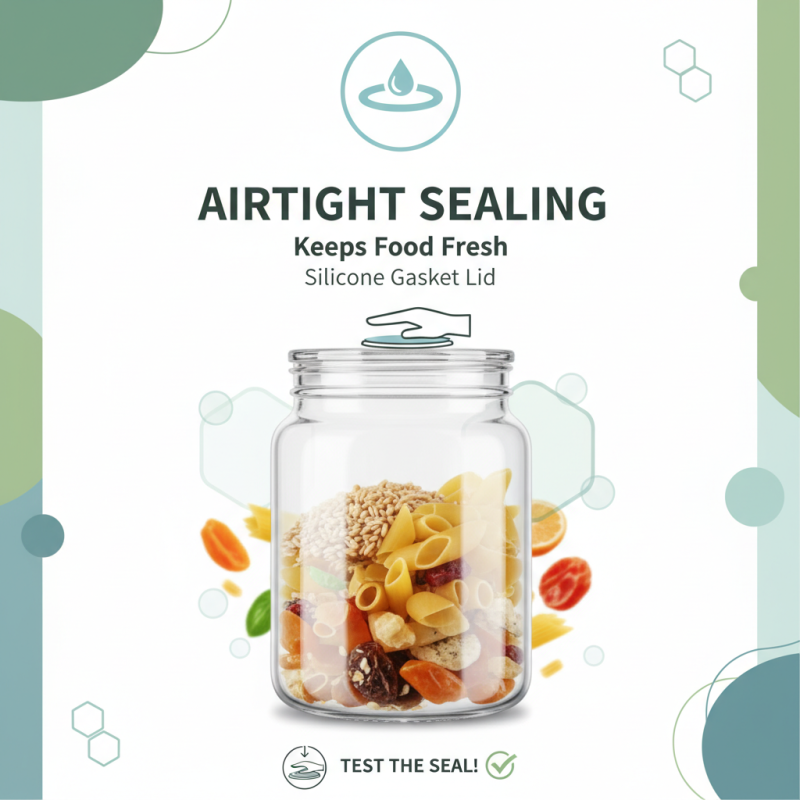
When it comes to high-quality glass food jars, several features stand out. The first key element is airtight sealing. This feature helps keep food fresh and prevents moisture from entering. A lid with a silicone gasket can enhance this property. It’s important to test the seal; a weak one can ruin your food storage efforts.
Another feature to consider is design. Choosing jars with wide mouths makes for easy access. This is especially useful for scooping out ingredients. It’s frustrating when you have to struggle with narrow openings. Additionally, clear glass is ideal. It allows you to see the contents at a glance, helping avoid expired food items.
The thickness of the glass is crucial as well. Thicker glass tends to be more durable and less prone to breakage. However, if you do drop a jar, thin glass might shatter easily. Not every glass jar on the market offers rigidity, so quality matters. Lastly, consider versatility. Some jars can be used for cooking or serving. This quality is handy but can lead to overuse and wear. Balancing practicality with aesthetic appeal can be a challenge, yet it's essential for versatile kitchen storage.
Comparison of Popular Brands in Glass Food Jars
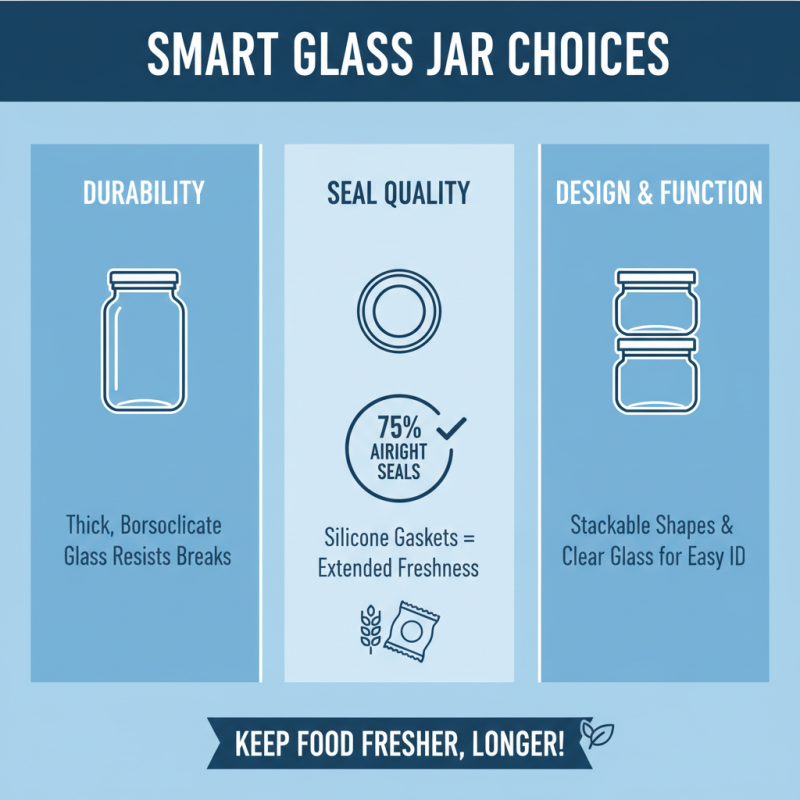
When choosing glass food jars for storage, several factors come into play. Many consumers prioritize durability, seal quality, and design. According to a recent industry report, 75% of consumers believe that airtight seals significantly extend food freshness. Jars with silicone seals help prevent leaks and keep air out. This feature is crucial for maintaining the quality of grains and snacks.
Different brands offer various designs to cater to diverse consumer needs. Some jars feature wide mouths for easy filling and cleaning, while others have sleek designs that save space. A survey revealed that 68% of buyers prefer jars that are dishwashers safe for easy maintenance. However, it’s vital to remember that not all glass jars are made equal. Some may chip or crack easily, which can be frustrating.
Tips: Always check for thick glass and secure lids. Consider jars with a capacity that matches your storage needs. Avoid jars with flimsy parts that may compromise function. While aesthetics matter, practicality should be the priority. You wouldn’t want to invest in jars that don’t last or serve their purpose efficiently.
Maintenance and Care Tips for Glass Food Jars
Glass food jars are wonderful for preserving your food. However, they require proper maintenance to ensure longevity. Start by washing your jars with mild soap and warm water. Avoid abrasive sponges that can scratch the glass. Rinse thoroughly to remove any soap residue.
To prevent odors, keep your jars dry and clean. Store them in a cool, dark place. Sunlight can damage some foods and alter flavors. Inspect your jars regularly for any cracks. A small crack can weaken the jar's integrity. If you notice one, it’s best to replace it.
While glass jars are often seen as durable, they can break. Handle them gently, especially when full. Avoid stacking them, as this can lead to chips. Remember, it's okay if your jars have small imperfections; they add character. Enjoy the process of using your glass jars while being mindful of their care.
Top 10 Glass Food Jars for Storing Keeping Your Food Fresh

 +86 183 6377 3366
 Contact Email