Top 10 Glass Spice Jar Designs You Need For Your Kitchen?
In the culinary world, organization and aesthetics play crucial roles. Glass spice jars are an essential tool in any kitchen. They not only house your spices but also enhance the overall look of your cooking space. As culinary expert Sarah Brown once noted, "The right storage transforms your ingredients into a visual delight."
Imagine opening your pantry and seeing neatly arranged glass spice jars. Each container reflects sunlight, adding warmth to your kitchen. Choosing the right design can turn a mundane task into an enjoyable experience. However, many overlook the importance of selecting efficient and stylish glass spice jars.
The market is flooded with various designs, yet not all are practical. Some jars may look beautiful but lack functionality. Balancing aesthetics with usability is crucial in making the right choice. A well-designed glass spice jar should be easy to access and tightly sealed. It’s vital to reflect on how these jars impact your cooking journey. A small detail, like the design of your spice jar, can make a significant difference in your culinary endeavors.
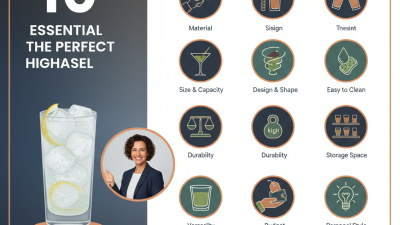
Top 10 Essential Features for Glass Spice Jar Designs in Kitchens
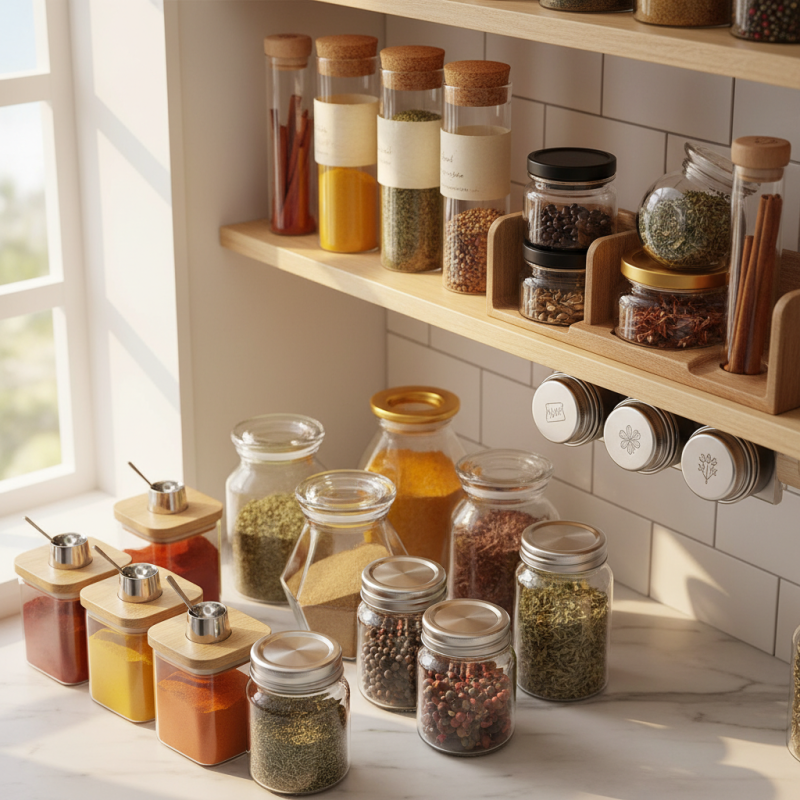
When selecting glass spice jars for your kitchen, consider their design carefully. An airtight seal is essential. This feature keeps spices fresh longer. Look for jars with a wide opening. It allows easy access for scooping and refilling. Transparent glass is a must. You want to see the vibrant colors of your spices. This visibility enhances your cooking experience.
Another important aspect is the lid design. Some jars feature pour spouts, allowing controlled dispensing. Others have shaker tops for easy seasoning. Balance is key; choose jars that don’t take up too much counter space. Compact designs fit better in cabinets or drawers. Versatility matters, too. Jars should be easy to clean and dishwasher-safe.
As you explore different options, reflect on your usage habits. Do you cook frequently? Then, larger jars may benefit you. If your kitchen is small, opt for stackable jars. Remember, while style is important, practicality should never be neglected. A beautiful jar that's hard to use isn’t ideal. Finding that perfect balance might take time, but it's worth the effort.
Top 10 Essential Features for Glass Spice Jar Designs
How Different Glass Thickness Affects Spice Preservation and Longevity
When choosing glass spice jars, thickness plays a key role in spice preservation. Thicker jars provide better protection against light and air. These elements can degrade spices over time, leading to loss of flavor. A jar that is too thin may not block out harmful UV rays effectively. This can cause spices to lose their potency sooner than expected.
However, thicker glass can also mean heavier jars. This can be an inconvenience when you are trying to grab a jar quickly. One might drop a heavy jar while cooking, which could lead to a mess. On the flip side, lightweight jars can crack more easily. The balance between weight and thickness is crucial for a great kitchen experience.
Another point to reflect on is the jar seal. Even thick glass jars may not preserve spices well if the lid isn’t airtight. Poor seals allow moisture to enter, resulting in clumping. It’s essential to examine the jar in detail. Assess its integrity and functionality before making a choice. Using glass jars that may not meet these standards could lead to disappointing culinary results.
Comparative Analysis of Glass vs. Plastic Spice Jars: Pros and Cons
When it comes to spice storage, glass and plastic jars each have unique qualities. Glass jars often offer a more appealing aesthetic. Their transparency shows off colorful spices clearly. They also have a sturdy feel that adds a professional touch to any kitchen. However, glass can break easily. A single drop on a hard surface can shatter them.
Plastic jars are lightweight and less prone to breaking. This makes them a practical choice for busy kitchens. They come in various sizes and shapes, which allows for greater flexibility. Yet, plastic can retain odors and may degrade over time. Some people notice that spices stored in plastic lose their potency faster.
The choice between glass and plastic jars often comes down to personal preference. Glass jars are better for those who prioritize aesthetics. On the other hand, plastic jars may be ideal for those looking for durability. Both options have their ups and downs. It’s essential to consider your cooking habits and storage needs when making this decision.
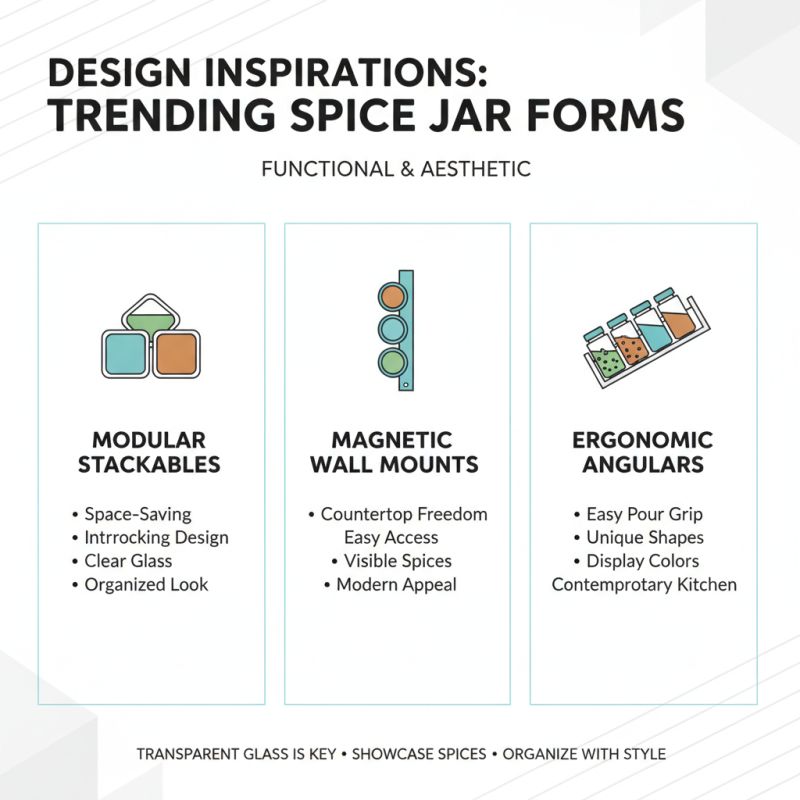
Design Inspirations: Trending Form Factors for Functional Spice Jars
In recent years, glass spice jar designs have evolved significantly. Kitchen aesthetics now focus on functionality combined with beauty. Current trends emphasize the importance of organization and visual appeal. More homeowners are opting for transparent jars that showcase colorful spices. This adds an artistic touch to kitchen décor.
A report from the National Kitchen and Bath Association indicates that organized kitchens enhance cooking efficiency. Spice jars with a sleek design are especially popular. Many consumers prefer jars with airtight seals to maintain flavor. The choice of wide-mouth jars simplifies access, making cooking more enjoyable. Visual organization also plays a crucial role in enhancing the cooking experience.
Some designs, however, miss the mark. While aesthetics are vital, some jars sacrifice practicality. Set sizes often do not accommodate the variety of spices desired. A balance between style and function is necessary. The challenge for designers lies in creating jars that are both eye-catching and practical.
Consumer Preferences: A Survey on Spice Jar Aesthetics and Usability
When considering spice jars, aesthetics and usability are vital. A recent survey revealed that 68% of consumers prioritize design. Many prefer clear glass jars, which allow them to see contents easily. However, practical concerns often arise. Users reported that lids can be cumbersome. A third of participants mentioned difficulty in opening jars with rubber seals.
Color coding is another factor that influences choice. About 45% of respondents appreciated vibrant labels. They felt that it enhanced organization. Yet, a deeper look shows mixed feelings. Only 32% believed labels stayed intact with regular use. This raises concerns about how aesthetics can be balanced with functionality.
Spice jar designs vary widely. Some people enjoy minimalistic styles, while others favor ornate features. But only 29% found their jars easy to clean. This highlights the need for better designs. Simplicity in shape and material could improve user experience. Designers must adapt to these insights, bridging the gap between form and function.

 +86 183 6377 3366
 Contact Email