Top Uses of Glass Bottles for Everyday Life and Sustainability?
In a world increasingly focused on sustainability, the relevance of glass bottles continues to grow. Renowned industry expert Dr. Emma Glass emphasizes, “Glass bottles represent a perfect marriage of style and sustainability.” With their versatility and eco-friendliness, glass bottles have established their place in our daily lives.
Many people use glass bottles for drinks, food storage, and creative DIY projects. Their durability makes them ideal for long-term use. However, we often overlook the impact of our choices. Are we recycling enough? The production of glass bottles still requires energy and resources. Reducing waste is essential.
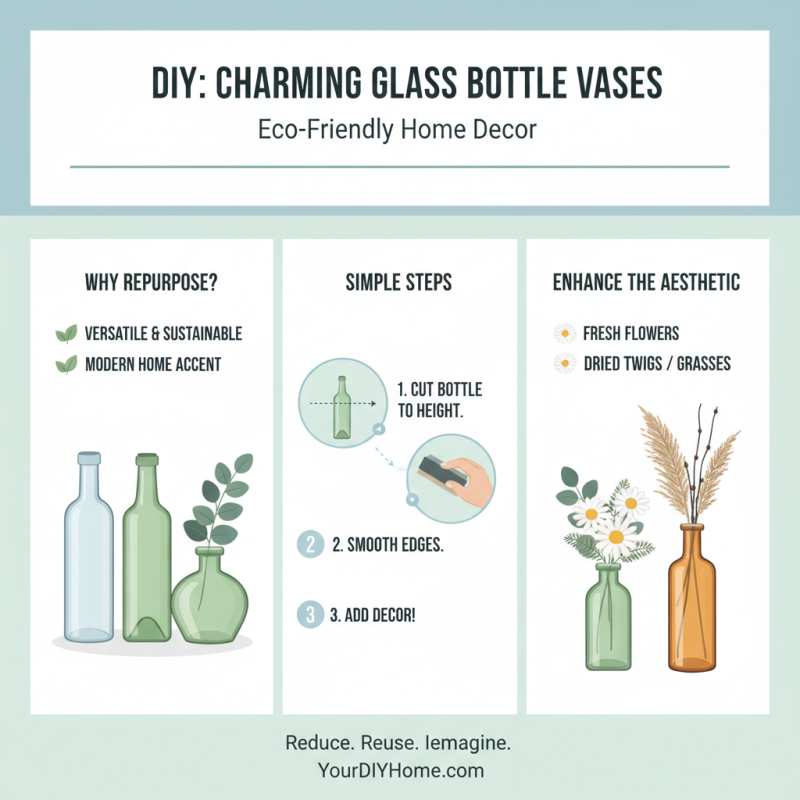
Glass bottles can also appear in unexpected contexts, such as home decor or garden planters. Yet, while we admire their beauty, we must reflect on our consumption patterns. Are we contributing to a more sustainable future? By making mindful decisions about glass bottles, we can take meaningful steps toward a greener planet.
Top Uses of Glass Bottles in Everyday Life
Glass bottles are becoming increasingly popular in everyday life. They are not just containers; they serve multiple purposes in homes and offices. According to a report by the Glass Packaging Institute, glass recycling can save over 1,000 kilowatt-hours of energy per ton of glass. This makes glass bottles an eco-friendly choice.
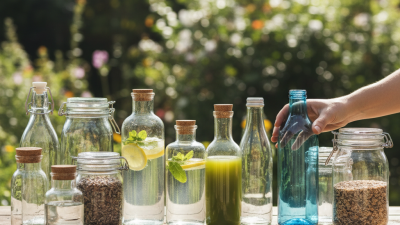
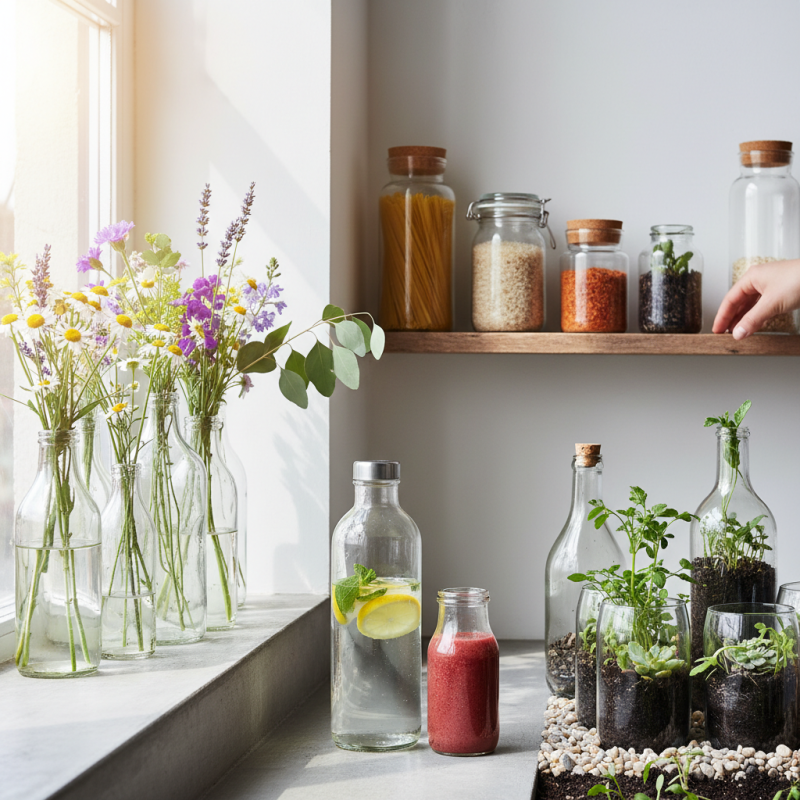
People use glass bottles for various reasons. Many opt for reusable bottles to reduce plastic waste. They look stylish and often maintain the quality of beverages better than plastic. Some households use them for storage. Glass containers can hold grains, spices, and homemade sauces. This reduces food waste and can be better for health.
However, reusing glass bottles may require effort. Some people find it challenging to clean them properly. Others might worry about breaking them, especially around children. Despite these concerns, the benefits of using glass bottles outweigh the drawbacks. It’s a small step towards a more sustainable lifestyle.
Benefits of Using Glass Bottles for Sustainability
Glass bottles are becoming popular for many reasons, especially regarding sustainability. They offer a safe and reusable alternative to single-use plastic bottles. By choosing glass, we help reduce plastic waste that harms our environment. Each glass bottle can be reused multiple times, cutting down on new productions. This action decreases energy consumption and greenhouse gas emissions.
Sustainability also comes from the material of the bottles. Glass is recyclable and can be processed endlessly without losing quality. Many local recycling programs accept glass. This makes it easy for people to contribute to eco-friendly practices. However, some may wonder about the weight of glass. It can be heavier and less convenient for some situations. Yet, this concern can be seen as an opportunity to be more mindful of what we carry.
Making the switch to glass is not simply convenient. It requires reflection on our habits and choices. Everyone has their own challenges. Some individuals still prefer plastic for daily use. Slowly changing these habits could lead to a significant impact on waste reduction. With every glass bottle used, we move a step closer to creating a more sustainable future.
Top Uses of Glass Bottles for Everyday Life and Sustainability
| Use |
Description |
Sustainability Benefit |
| Water Storage |
Glass bottles can be used to store water and other beverages safely without leaching chemicals. |
Helps reduce plastic waste and keeps drinks pure. |
| Food Preservation |
Glass jars are ideal for storing homemade sauces, jams, and pickles. |
Encourages minimal waste through homemade food products. |
| DIY Crafts |
Empty glass bottles can be repurposed for various craft projects. |
Promotes recycling and creativity, reducing reliance on new materials. |
| Storage Containers |
Glass bottles can be used to organize and store items at home or in the office. |
Minimizes plastic usage while providing an aesthetic storage solution. |
| Beverage Bottles |
Using glass bottles for drinks instead of single-use plastics. |
Significantly decreases environmental pollution from plastic waste. |
Glass Bottles in Food and Beverage Storage
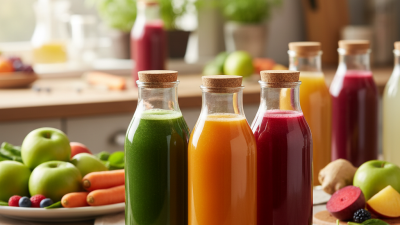
Glass bottles are a common choice for storing food and beverages. They are durable and reusable. Many people appreciate their ability to keep items fresh. Glass doesn’t absorb flavors or odors like plastic can. This is especially important for items such as oils and juices.
In terms of sustainability, glass bottles stand out. They can be recycled endlessly without losing quality. This reduces the need for new materials. However, not everyone recycles their bottles. Many still end up in landfills. This raises questions about our habits and responsibilities. We must be mindful of how we dispose of glass. Simply tossing it aside isn’t enough.
Using glass bottles comes with challenges. They can be heavy and fragile. Carrying them around can be cumbersome. Some might prefer lighter materials for convenience. However, the benefits often outweigh these downsides. By choosing glass, we support a sustainable lifestyle. It’s an opportunity to reflect on our choices each day.
Top Uses of Glass Bottles for Everyday Life and Sustainability
Environmental Impact of Glass Bottle Recycling
Glass bottles play a significant role in sustainability. Recycling glass bottles reduces waste and conserves natural resources. Each recycled bottle saves energy, which is crucial for our environment. However, many glass bottles still end up in landfills. This indicates a gap in awareness and behavior.
The recycling process for glass bottles is not perfect. It's often complicated and requires careful sorting. Not all communities have access to efficient glass recycling programs. This limitation leads to higher emissions and continues pollution. It’s disheartening to think about the hundreds of tons of glass discarded when they could be repurposed. Every bottle counts, yet so many remain unused.
Consumers can help bridge this gap. Simple actions like returning bottles and choosing recyclable materials make a difference. Awareness campaigns can encourage more people to participate in recycling programs. Small changes in habits can lead to big environmental impacts. The journey of a glass bottle doesn't end at disposal; it just begins again through recycling.

 +86 183 6377 3366
 Contact Email