What are Weck Jars Glass and How to Use Them?
Weck Jars Glass have gained immense popularity among home preservers and food enthusiasts. These jars, originally designed in Germany, are renowned for their unique shape and functionality. According to a recent industry report, the glass jar market is expected to grow significantly, fueled by a rising interest in sustainable living and homemade preservation methods. This trend indicates a shift towards more eco-friendly kitchen solutions.
The versatility of Weck Jars Glass makes them ideal for various uses, from canning fruits and vegetables to storing dry goods. Their airtight seal preserves freshness, which is crucial in food storage. However, some users face challenges with the sealing process. This can lead to wasted efforts and spoiled food. It is essential to learn proper techniques to use these jars effectively.
Moreover, these jars invite creativity. Their aesthetic appeal allows them to double as decorative storage in kitchens. However, it’s important to consider how to maintain their quality over time. Choosing the right size for specific tasks can also be tricky. Weck Jars Glass provide an attractive solution for home preservation, but they require careful handling. Embracing this combination of functionality and beauty can truly enhance the culinary experience.
What Are Weck Jars? A Brief Overview
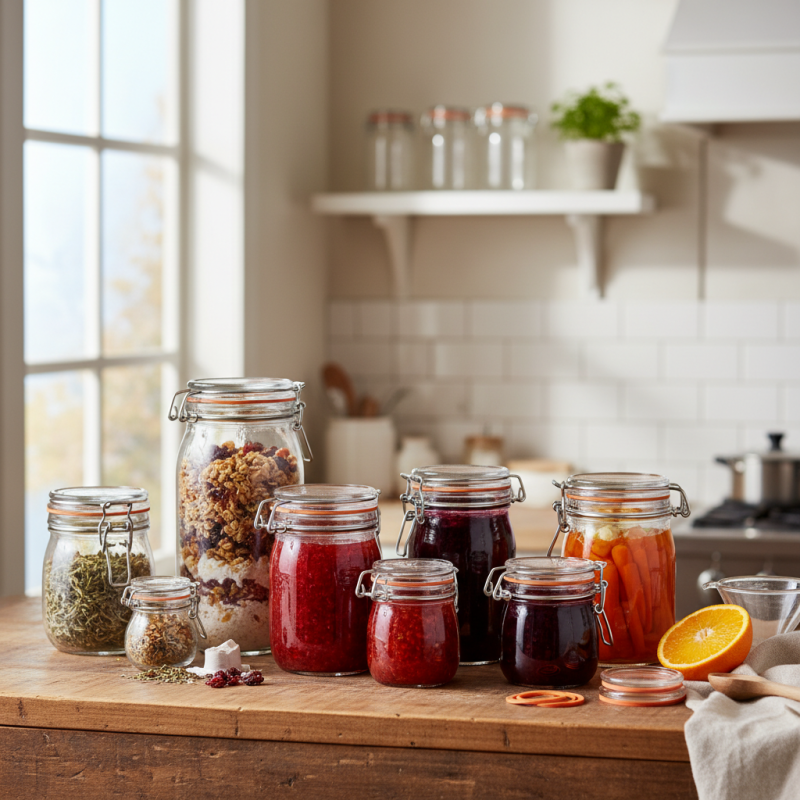
Weck jars are distinct glass containers used primarily for canning and preserving food. They were first designed in the 1900s in Germany. Made from high-quality glass, these jars come equipped with a unique two-part lid system, comprising a glass lid and a rubber sealing ring. This design allows for an airtight seal, which is crucial for food preservation.
In recent years, consumer interest in homemade preserves has surged. Studies indicate that up to 70% of consumers prefer homemade jams over store-bought options. The Weck jars, with their elegant shape and practicality, fit perfectly into this trend. They are not only functional but also visually appealing. They can transform the mundane task of preserving into an enjoyable experience.
However, using Weck jars may pose some challenges. Achieving the perfect seal can be tricky. Many users report struggles with the rubber rings, especially after multiple uses. This raises questions about sustainability and practicality. The need for replacements adds up. Furthermore, there is a learning curve associated with water bath canning methods. Users new to this technique often face uncertainties. Ensuring food safety is paramount, yet many overlook it during the canning process.
Weck Jars Usage Overview
The History and Evolution of Weck Jars
Weck jars have a rich history that dates back to the late 19th century. They were invented in Germany as a practical solution for preserving food. The design is simple yet effective, using glass and rubber seals to create airtight conditions. This method was revolutionary at the time.
Over the years, Weck jars have evolved in design and function. They became popular not only for canning but also for serving and storage. Many people appreciate their aesthetic charm. However, using them can come with challenges. The rubber seals need regular checking and replacement. Some users struggle with proper sealing techniques. There’s a learning curve that can lead to imperfect results, fostering a need for improvement.
Despite these difficulties, Weck jars remain a beloved choice. Their versatility adds value to any kitchen. They can be used for everything from jams to salads. Reflecting on their journey reminds us that innovation often comes with its own set of hurdles. The history of Weck jars highlights how creativity and persistence can lead to lasting impact.
What are Weck Jars Glass and How to Use Them? - The History and Evolution of Weck Jars
| Feature |
Description |
Uses |
Benefits |
| Material |
Borosilicate glass |
Canning and food storage |
Durability and heat resistance |
| Seal Type |
Rubber gasket with glass lid |
Home canning process |
Secure and airtight seal |
| Sizes |
Various sizes ranging from 120ml to 3L |
Preserving fruits, vegetables, and sauces |
Versatile for different food quantities |
| Design |
Classic German design with a wide mouth |
Ideal for easy filling and cleaning |
Aesthetic appeal for kitchen decor |
| History |
Introduced in the early 1900s |
Preserving food long-term |
Long-standing tradition in food preservation |
Different Types of Weck Jars and Their Uses
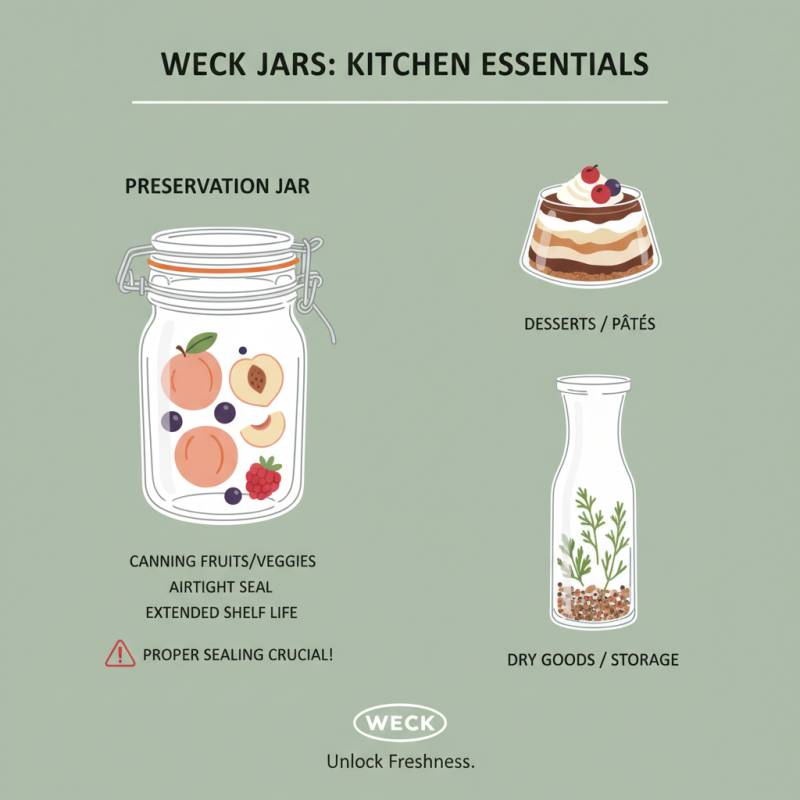
Weck jars come in various types, each serving unique purposes in the kitchen. The most common are the preservation jars, which feature a removable glass lid and a rubber gasket. These jars are perfect for canning fruits and vegetables. They create an airtight seal that extends the shelf life of preserves. However, be mindful of the proper sealing process; a missed step can lead to spoilage.
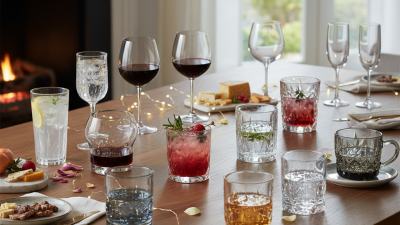
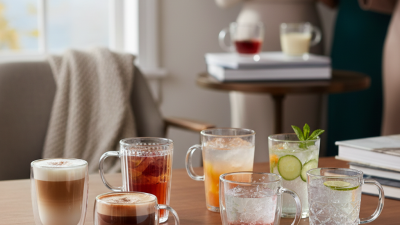
Another interesting type is the drink jar. These jars are usually wider and designed with handles. They are great for serving beverages at gatherings. Their appealing look makes them popular for parties. But, pouring can be tricky if the jar is too full; spilling can happen without careful handling. Keep an eye on the liquid level.
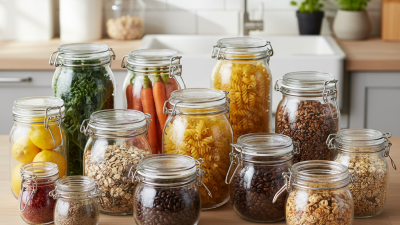
Lastly, the storage jars have a broader shape and are fantastic for dry goods. You can use them for grains, pasta, or snacks. They stay fresh while adding charm to your pantry. However, if mismanaged, you might end up with pest problems. Regular checks are necessary to ensure everything remains intact. Each type of Weck jar offers versatility, but using them wisely requires some attention.
How to Properly Use Weck Jars for Canning
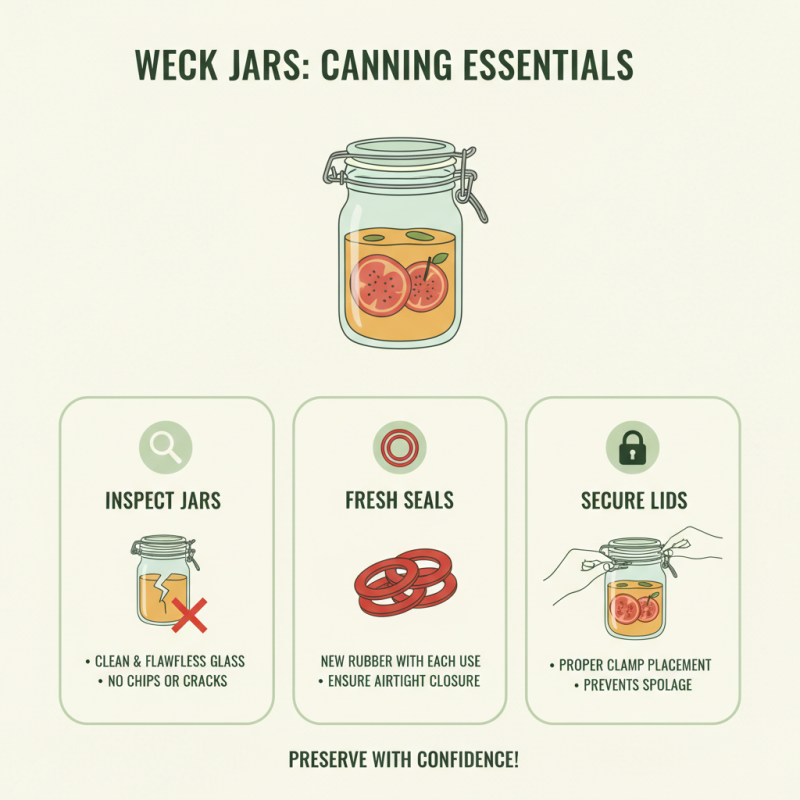
Weck jars are versatile glass containers used for canning. Using them properly is essential for achieving good results. Start by examining the jars. Make sure they are clean and free from cracks. A small chip can ruin your efforts. Use new rubber seals each time. They ensure a tight seal that prevents spoilage.
When filling the jars, leave enough headspace. This allows for expansion during the canning process. Be cautious; overfilling can lead to messes and improper sealing. After filling, wipe the rims clean. Any residue can interfere with the seal. Place the lid and press down firmly.
During the canning process, maintain the correct temperature. Too low, and your food won't seal. Too high, and you may break the jars. It can be tricky. Keep an eye on the water level in your canner. Not enough water will result in uneven heating. Remember to reflect on your mistakes. Each attempt helps you become a better canner.
Tips for Cleaning and Maintaining Weck Jars
Weck jars are a popular choice for canning and storage. Keeping them clean is essential for proper use. Here are some tips to help you maintain your Weck jars effectively.
Start by washing the jars in warm, soapy water. Use a soft sponge to remove any residue. Avoid abrasive cleaners. They can scratch the glass. Rinse thoroughly to prevent soap residue. You want your jars sparkling clean. Check for any chips or cracks as well. This can affect the seal and the safety of your food.
For stubborn stains, try a mixture of baking soda and water. Apply it to the stain and let it sit for a while. Scrub gently until the stain lifts. Remember, even the best jars need regular attention. After each use, inspect the rubber seals. They wear out over time and can compromise how well the jars seal.

 +86 183 6377 3366
 Contact Email