Why Choose Bulk Jars for Your Global Packaging Needs?
Choosing Bulk Jars for global packaging needs can simplify purchasing, production, and inventory planning. Large-volume orders create consistency. Every jar can match in size, shape, closure, and finish.
This matters when products travel across oceans. A secure lid can reduce leakage risks. Uniform dimensions can improve pallet stacking. Clear glass can display texture, color, and fill levels. Plastic options may reduce shipping weight. The right material depends on the product, route, and filling process.
Packaging educator Walter Soroka offers a useful principle: “Packaging protects, contains, informs, and sells.” Bulk Jars should meet all four purposes. They must protect contents during handling. They should also support accurate labeling and efficient warehouse movement.
The commercial benefits can be significant. Suppliers may offer better unit pricing, stable specifications, and scheduled production runs. However, bulk purchasing is not automatically efficient. Storage space, breakage, moisture control, and cash flow still require careful review. A low unit price means little when pallets sit unused.
Experienced buyers compare more than quotes. They inspect samples, test closures, confirm food-contact suitability, and review supplier quality records. They also check whether jar dimensions fit existing cartons and filling equipment. Small differences can cause expensive delays.
Global packaging decisions need discipline. Regional recycling systems, transport conditions, and labeling expectations may vary. Reliable suppliers should provide clear technical documents and responsive support. Even then, assumptions deserve testing.
Bulk Jars can support dependable growth, but only when volume matches real demand. The strongest choice balances protection, presentation, logistics, and long-term practicality.
What Are Bulk Jars and How Do They Support Global Packaging?
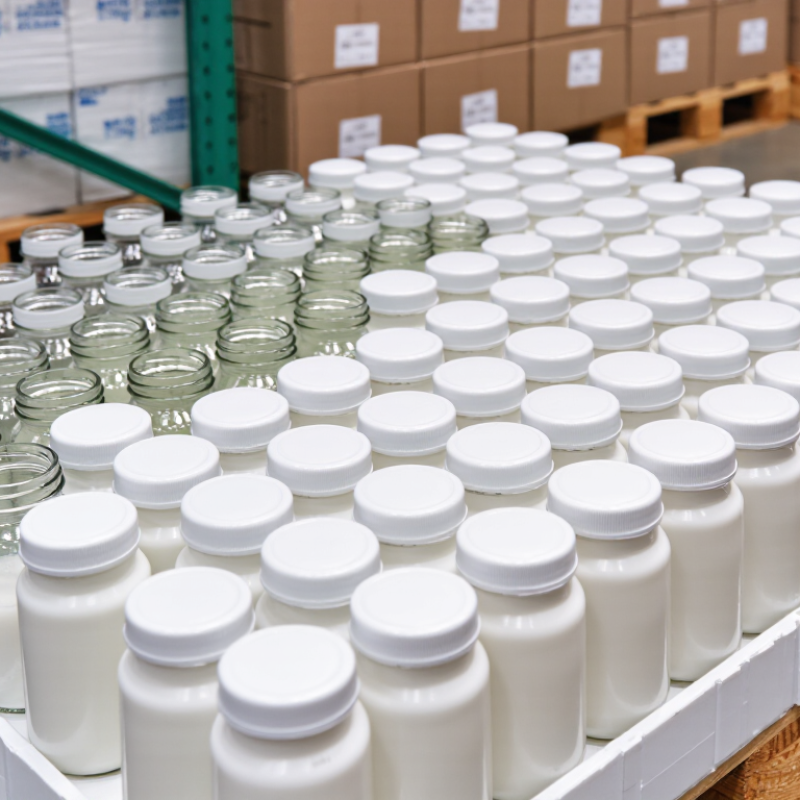
Bulk jars are containers supplied in large quantities for coordinated packaging programs. They may hold food, cosmetics, supplements, household products, or industrial materials. Common options include glass, PET, HDPE, and recycled plastic. Each material offers different protection, weight, and transport performance.
For global packaging, bulk jars create consistency across multiple markets. A standardized neck finish can accept the same closure system in different countries. That simplifies filling lines, cap sourcing, labeling, and warehouse planning. During practical packaging trials, teams often check torque, leakage, stacking strength, and temperature resistance. A jar that survives a local delivery route may fail after weeks at sea. Small details matter.
Specifications should include capacity, wall thickness, thread design, color, and tolerances. Documentation also needs material declarations, test results, and shipment records. Requirements vary by destination, especially for products touching food or skin. Local review remains necessary. One global specification rarely fits every market. That assumption can become expensive. Packaging teams should compare breakage rates, pallet efficiency, and total transport weight before ordering. Recycled content may support environmental goals, but availability and performance can fluctuate. Clear communication between manufacturers, fillers, logistics providers, and importers helps prevent avoidable changes. Not every jar needs the same answer.
How Do Bulk Jars Improve Supply Chain Efficiency and Cost Control?
Bulk jars can make global packaging operations steadier and easier to measure.
Purchasing larger quantities reduces repeated orders, freight bookings, and emergency supplier searches. A full pallet arriving at a regional warehouse creates a clear inventory baseline. Teams can schedule filling, labeling, and export preparation with fewer interruptions. Consistent jar dimensions also reduce adjustment time on capping lines.
Small gains matter.
A few seconds per unit can become hours across a shipment.
Cost control depends on more than the unit price.
Buyers should compare pallet density, container utilization, storage fees, breakage rates, and customs documentation. Standard jar sizes often simplify carton design and improve truck space.
However, bulk inventory requires disciplined forecasting. An overestimated order can occupy warehouse shelves for months. That is not efficiency. A practical plan uses sales history, seasonal demand, safety stock, and a review date. It should also test samples before approving a large production run. A cracked rim or inconsistent closure can create expensive rework.
Reliable supply chains need visible checks.
Record lot details, inspection results, delivery dates, and damage claims. These records support supplier evaluation and faster corrective action. Regional stocking can shorten lead times and reduce exposure to port delays.
Still, local storage may raise handling costs. The best model depends on volume, destination, and product sensitivity. Review the numbers regularly.
Efficiency is not permanent. A better forecast next quarter may change the right purchasing quantity.
What Quality, Safety, and Compliance Standards Should Buyers Consider?
Bulk jars can simplify global packaging, but volume should never replace verification.
Buyers should confirm the jar’s material, dimensions, wall thickness, and closure compatibility before approving a shipment. Small details matter. A slight neck variation can cause leakage, crooked caps, or filling-line delays.
Quality evidence should include batch records, certificates of analysis, and traceability from raw material to finished jars.
ISO 9001-based controls can indicate a reliable production system. For pharmaceutical packaging, buyers may also request ISO 15378 alignment and documented change control. Food and cosmetic applications require destination-market food-contact or product-safety assessments. Ask for evidence. Do not rely on a certificate alone. In packaging evaluations, I have found that test scope matters more than impressive paperwork. Buyers should review migration results, odor testing, and material declarations for the exact jar grade.
Safety checks should reflect real shipping conditions.
Useful tests include drop resistance, torque performance, vacuum response, pressure resistance, and seal integrity. Tamper-evident features need practical inspection, not just attractive samples. Packaging should also be checked for contamination risks, sharp edges, glass defects, and inconsistent weight. Compliance is not universal. Each destination may apply different labeling, recycling, chemical, or import requirements. A local regulatory review is wise, even when the supplier appears experienced. Some requirements are easily missed. Keep approved samples, inspection criteria, and corrective-action records for every production batch. That discipline supports safer purchasing and more dependable global distribution.
How Can Businesses Select the Right Bulk Jar Supplier Worldwide?
Choosing the right bulk jar supplier requires more than comparing unit prices. Businesses should match jar materials, sizes, closures, and decoration options with the product’s real requirements. Glass may suit premium creams, while food-grade plastic can reduce shipping weight and breakage. A supplier should provide clear specifications, material declarations, and test reports for each production batch.
Request physical samples before signing a large order. Check the thread, lid fit, wall thickness, surface finish, and label area. Fill several jars and test them during transport. Simple drop testing often reveals weak corners or loose closures. Ask about minimum order quantities, production capacity, lead times, and emergency replenishment. A reliable supplier gives specific answers instead of broad promises.
Compliance also varies by destination market. Confirm that materials meet the applicable packaging and contact requirements in each sales region. Traceability matters when a defect appears months later. Factory audits, documented quality checks, and responsive communication can reduce that risk. Still, no supplier is perfect. A beautiful sample may not represent every batch, especially during rapid scale-up. Businesses should define acceptable tolerances in writing and review performance after the first shipment. This practical step can expose problems early, before thousands of jars reach customers.

 +86 183 6377 3366
 Contact Email