The "genetic code" of different
Glass materials determines their applicable boundaries, and choosing the right material is the core premise to avoid use risks and improve the experience.
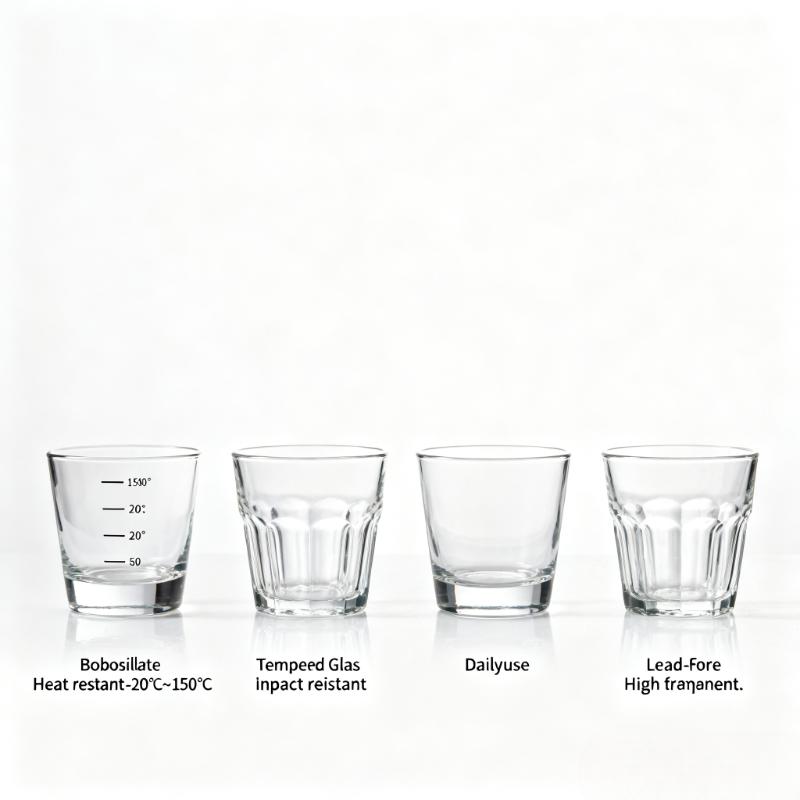
Borosilicate glass becomes the "champion of heat resistance" in the glass family due to the addition of boron oxide to optimize its composition. It can easily
withstand a drastic temperature difference of -20°C to 150°C. This material has extremely strong chemical stability and will not release harmful substances due to long-term storage of drinks. Even if it is taken out of the refrigerator and directly poured with boiling water, it can remain intact. It is perfectly suitable for high-temperature scenarios such as tea and coffee, and is also the preferred material for laboratory utensils and baby bottles.
However, its "weakness" is also very obvious: it is relatively brittle, more likely to break than tempered glass when impacted, and due to the complex manufacturing process, the price is usually higher than that of ordinary glass products. The borosilicate glass tea sets of brands such as Schott in Germany and Corning in China have become representatives of quality life 凭借 their excellent heat resistance.
Tempered glass undergoes a special treatment of "heating - rapid cooling" to form a compressive stress layer on the surface, and its strength reaches 4-5 times that of ordinary glass. Even if it accidentally breaks, it will decompose into obtuse - angled small fragments without sharp edges, which can greatly reduce the risk of scratching. It is particularly friendly to families with children or outdoor scenarios.
But it has short - comings in temperature adaptability: if it encounters an extreme temperature difference (such as contacting ice cubes just after filling with boiling water), it may break due to uneven thermal expansion and contraction. In addition, tempered glass needs to be re - processed after cutting, and the processing cost is relatively high. Most of the outdoor camping cups and children's tableware on the market use this material, taking into account both durability and safety.
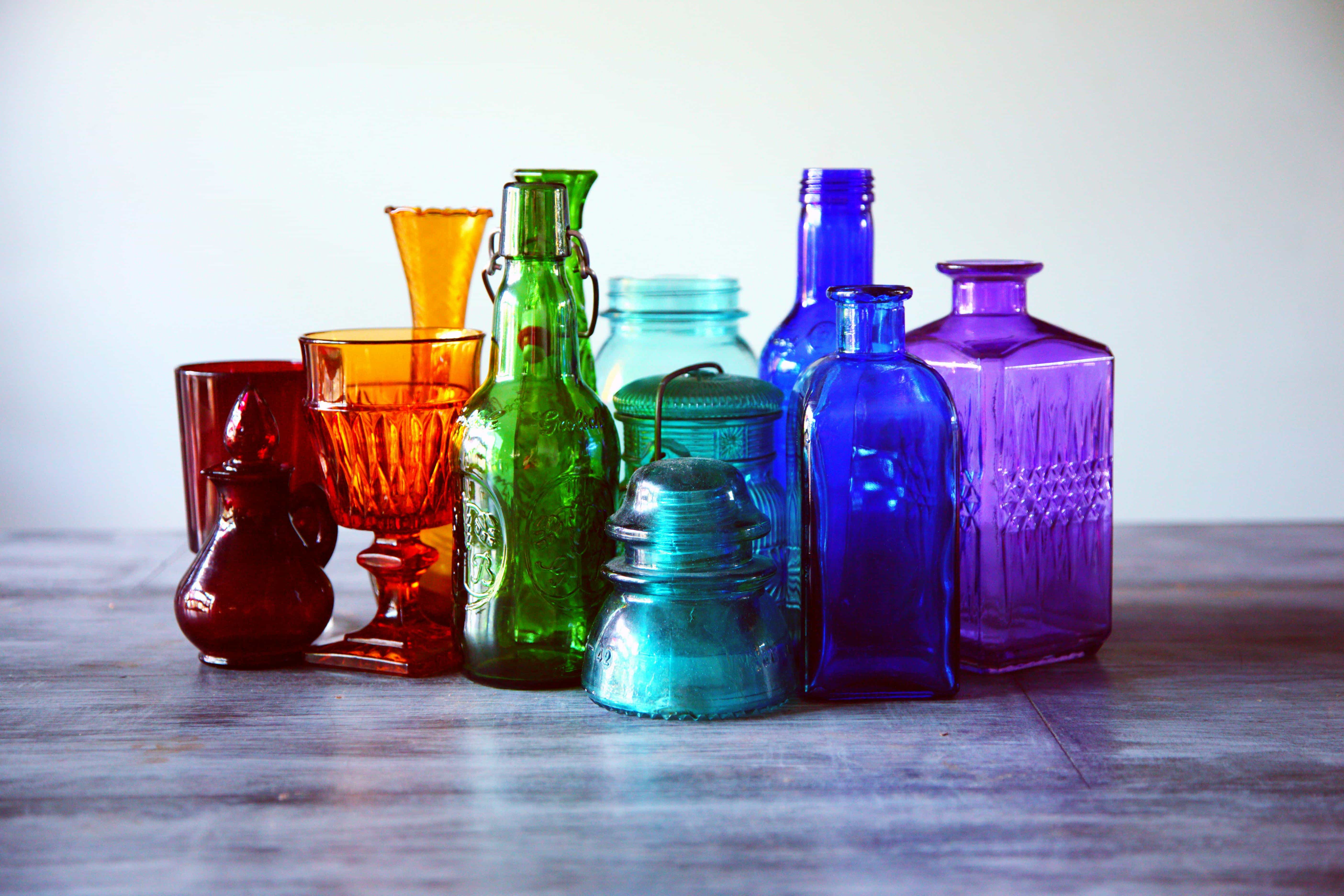
Soda - lime glass, with silicon dioxide and sodium oxide as its main components, occupies most of the market share of daily utensils such as ordinary drinking cups and wine glasses by virtue of its high transparency and low - cost advantages. This material has strong processability and can be made into various simple or fancy shapes to meet the basic drinking water needs.
However, its temperature - resistant ability is weak, usually only able to withstand temperature changes below 80°C, and is prone to 炸裂 when suddenly cooled or heated. Therefore, it is not suitable for directly pouring boiling water or putting it in the microwave for heating. When purchasing, it should be noted that this type of product is more suitable for storing room - temperature drinks and avoiding high - temperature use scenarios.
Crystal glass has a higher refractive index and light - transmittance due to the addition of lead oxide or zinc oxide, and it can make a clear and pleasant sound when tapped. It is an ideal choice for high - end wine utensils and decorative ornaments. However, traditional lead - containing crystal glass has health hazards. Nowadays, mainstream brands have launched lead - free crystal glass, eliminating the risk of lead dissolution while retaining the beautiful characteristics.
Due to its brittleness and high price, crystal glass is more suitable for collection display or formal banquet scenarios, and needs to be taken special care of in daily use.
With the iteration of technology and the upgrading of demand, glass products are developing towards the direction of functional compounding and scene refinement. Many new products in 2025 show the innovation trend of the industry.
Aiming at the pain points of the mother - baby group, the children's electric brewing cup launched in 2025 uses borosilicate glass as the core material of the cup body. It can not only withstand the appropriate temperature for brewing milk powder, but also be directly put into the refrigerator for 冷藏,and is easy to clean and not easy to breed bacteria. The product is equipped with a high - speed adjustable - speed motor, which can quickly stir the milk powder or soy milk evenly to avoid lumps affecting the taste.
More intimately, its intelligent temperature control function can preset the golden brewing temperature such as 40°C to prevent the water temperature from being too high to damage the nutrition or scald the baby. The clear scale line on the cup body, the leak - proof cup cover and the non - slip design at the bottom further adapt to various scenarios such as going out with children and daily feeding. After its launch, it has become a popular choice for mothers due to its high cost - performance.
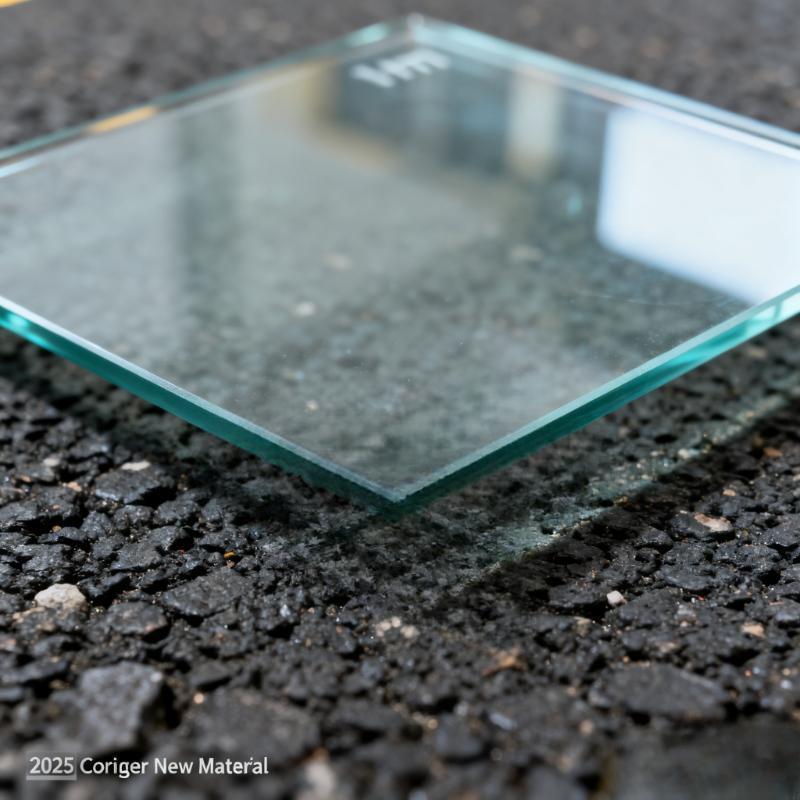
The gorilla glass - ceramic launched by Corning in 2025 breaks the performance boundary between traditional glass and ceramic, bringing new possibilities to consumer - grade glass products. This new material can withstand 10 consecutive drops from a height of 1 meter without damage in the test of simulating the asphalt surface, far exceeding the impact resistance of ordinary aluminosilicate glass.
Although it was first applied to the cover plate of mobile devices, the industry predicts that its transparent and 强化 - able characteristics will soon be extended to the tableware field - - the future glass plates and water cups are expected to have both high transparency and drop resistance, solving the industry problem of "beauty and durability cannot be 兼得". At present, this material has been confirmed to cooperate with Motorola, and its consumer - grade derivatives are worth looking forward to.
Facing the wide variety of glass products, mastering the following methods can accurately avoid pitfalls and select high - quality products that are suitable for your needs.
- View the material marking: Give priority to products that clearly mark "borosilicate", "lead - free crystal", "tempered glass" and other words, and refuse "three - no" products without any material description. Especially when purchasing children's products, borosilicate or tempered glass is a safer choice.
- View the process details: High - quality glass products have a smooth surface without bubbles and scratches, the cup mouth/bowl mouth is round and does not scratch hands, and the light - transmittance is uniform without impurities. If there are obvious defects, it may affect the use safety and life.
- View the safety certification: Pay attention to whether it has passed the safety standard test for food - contact glass, imported products need to have a compliance customs declaration certificate, and brand products usually come with a quality guarantee description.
- Scenario matching: Soda - lime glass is cost - effective for daily drinking water; Borosilicate glass is preferred for making tea and coffee; Tempered glass is locked for outdoor or children's use; Lead - free crystal glass can be selected for banquet decoration.
- Demand focus: If you pay attention to heat resistance, keep an eye on the temperature - tolerance parameters of borosilicate glass; If you care about impact resistance, check the process standard of tempered glass; If you pursue beauty, confirm the lead - free attribute of crystal glass.
- Budget balance: You can choose affordable soda - lime glass for daily consumables; For tea sets and tableware for long - term use, it is recommended to invest in borosilicate glass; For high - end needs, consider lead - free crystal glass, and avoid overpaying for unnecessary functions.
- Avoid the misunderstanding of "tempered glass never breaks": Although tempered glass is impact - resistant, it has a self - explosion probability of less than three thousandths, and it may still break when encountering extreme temperature differences. When using, avoid violent impacts on the edges.
- Avoid the misunderstanding of "all crystal glass contains lead": Modern lead - free crystal glass replaces lead oxide with zinc oxide, and the safety is greatly improved. When purchasing, you only need to confirm the "lead - free" mark to use it with confidence.
From the simple cup for daily drinking water to the new - type appliance integrated with intelligent technology, the evolution history of glass consumer products is exactly the resonance history of material innovation and life needs. Understanding the material differences and mastering the selection skills can not only enjoy the safety and beauty brought by glass products, but also make every consumption more cost - effective and practical.
 +86 183 6377 3366