 +86 183 6377 3366



0102030405
Smart Glassware Showdown: Corning All-Glass Health Pot & HARIO Tea Mug Ignite Market
2025-11-11
Policy Core: Dual Layout of Capacity Control and Increment Expansion
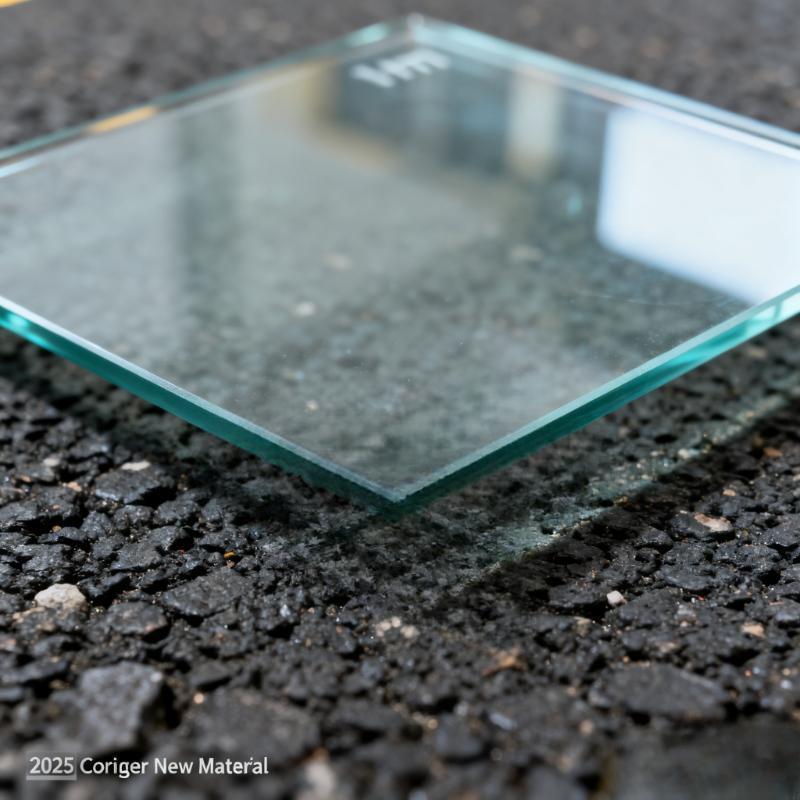
Flat Glass Capacity "Red Line" Drawn to End "Increased Production without Increased Revenue" Dilemma
The "Plan" puts "strictly prohibiting new flat glass capacity" at the top, directly addressing the pain point of unbalanced supply and demand in the industry. Data shows that China's flat glass output reached 1 billion weight boxes in 2024, but due to the shrinking demand from real estate and infrastructure, prices fell sharply, and enterprises fell into a vicious cycle of "increased production without increased revenue" . Qin Zhanxue, President of China Building Materials Circulation Association, pointed out that strict capacity control will push glass prices back to a reasonable range, enabling enterprises to obtain R&D funds and form a virtuous cycle of "profit-investment-upgrade".
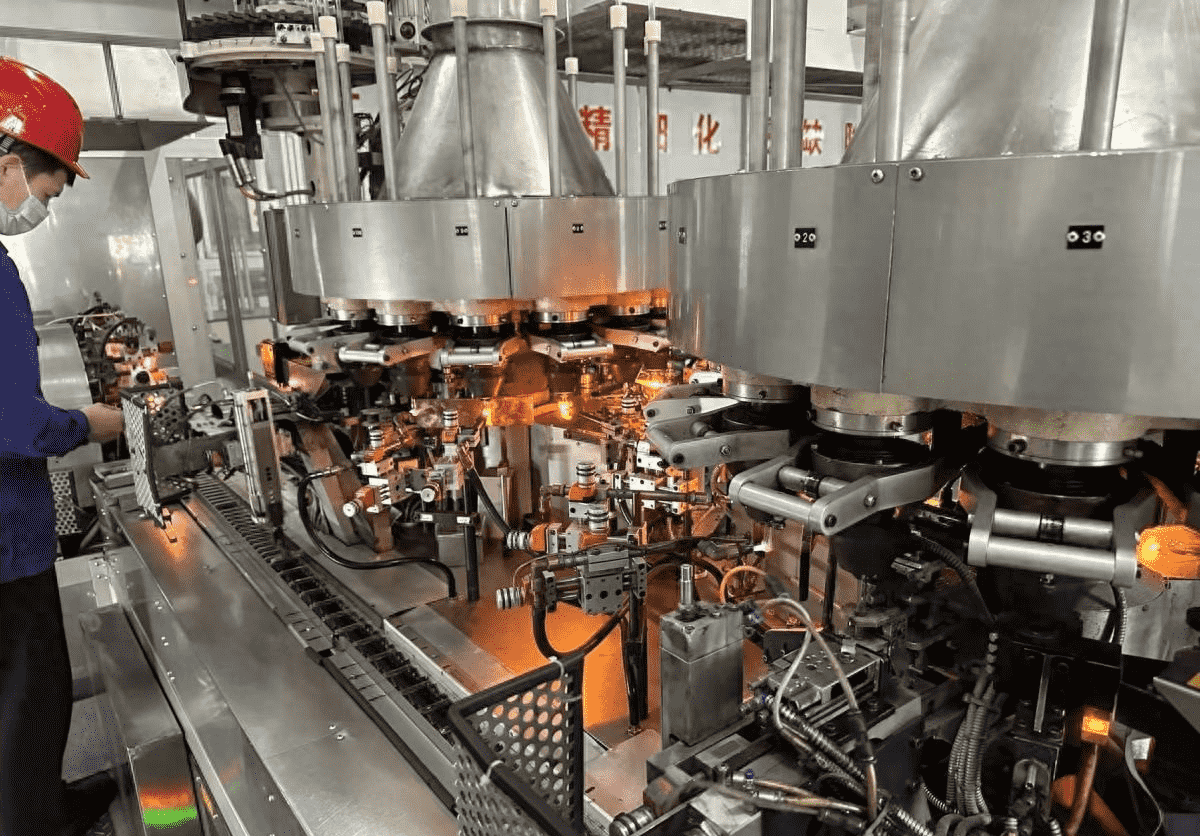
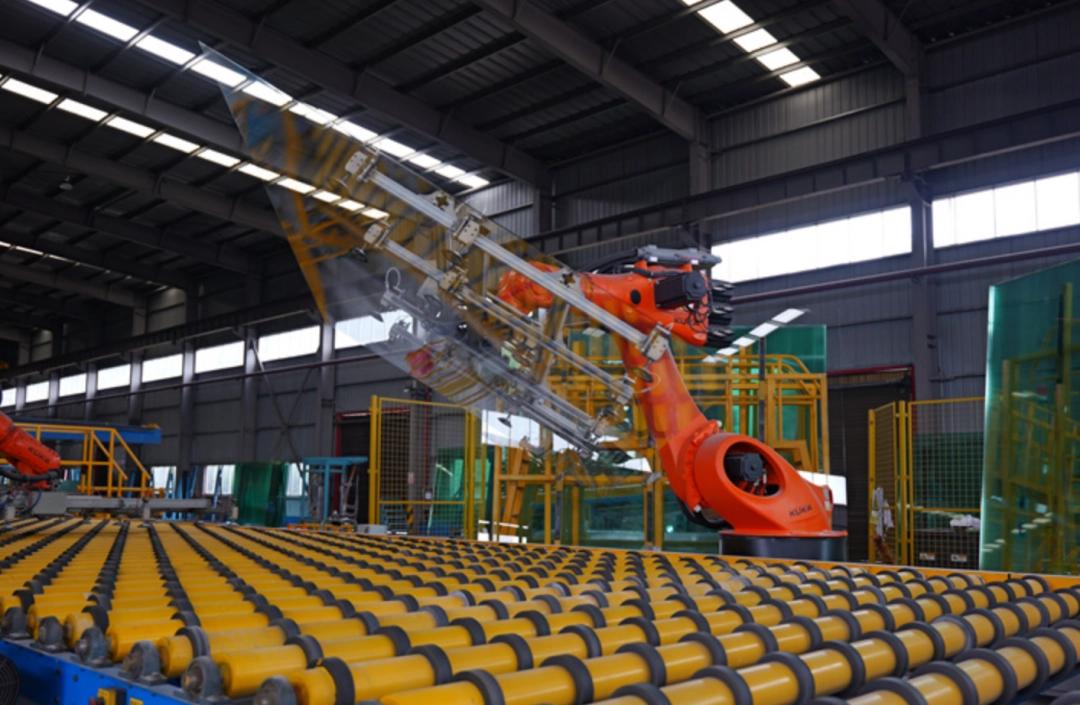
At present, major glass-producing areas such as Hebei and Guangdong have launched capacity verification, implementing "old-for-new" replacement for inefficient capacity, requiring replacement capacity to meet the standards of "energy consumption reduction by more than 15% and carbon emission intensity reduction by 20%". A leading glass enterprise revealed that it has transformed 3 traditional float glass production lines into photovoltaic glass production lines, increasing product added value by more than 3 times.
300B Green Building Materials Target Implemented, Technological Innovation Becomes Key Breakthrough
The "Plan" clearly identifies green building materials and advanced inorganic non-metallic materials as key increments, proposing a revenue target of over 300 billion yuan by 2026. In the glass field, products such as photovoltaic glass, Low-E energy-saving glass, and antibacterial glass have become the focus of policy support:
- Photovoltaic glass: Benefiting from the growth of new energy installed capacity, production capacity is expected to exceed 300 million square meters in 2025. Enterprises are accelerating the layout of ultra-thin glass (below 0.15mm) technology, with light transmittance increased to 95%;
- Energy-saving building glass: Driven by the green building materials going to the countryside policy, the penetration rate of Low-E insulating glass in the rural market has increased from 12% to 28%. An enterprise launched "photovoltaic + energy-saving" integrated glass, which can realize dual functions of building power generation and heat preservation;
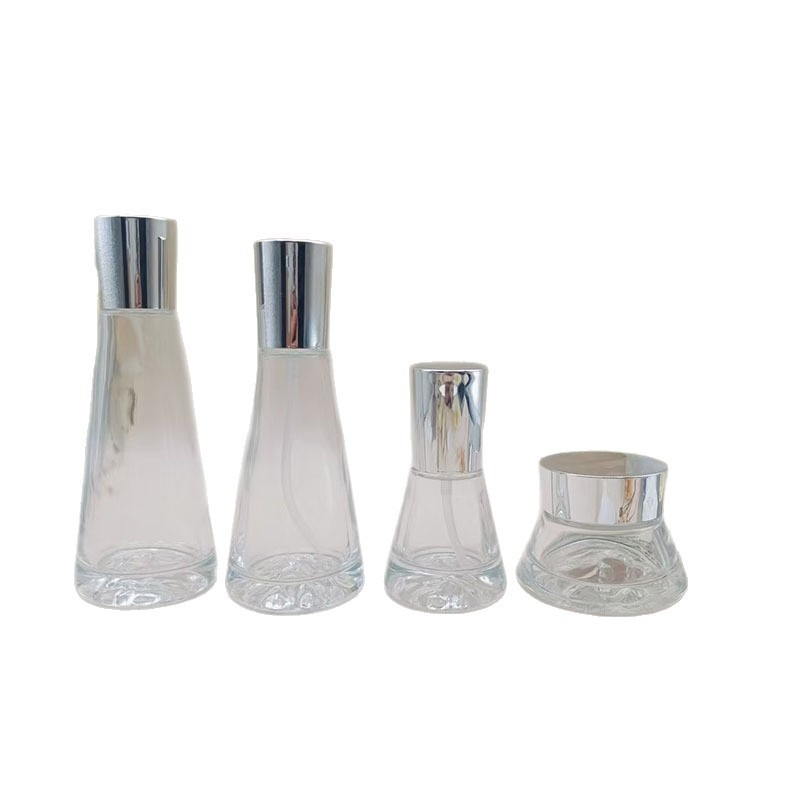
- Functional consumer glass: Maternal and child-grade borosilicate glass, antibacterial glass and other products have been included in the government procurement catalog, and orders of related enterprises increased by 47% year-on-year in the first half of 2025.
Enterprise Practice: Transformation Samples of Traditional and Emerging Tracks
Traditional Glass Enterprises: From "Scale Competition" to "Value Competition"
A veteran flat glass enterprise in Shandong has achieved transformation through the "three reductions and three increases" strategy: reducing ordinary float glass capacity by 30% and increasing photovoltaic glass and electronic cover glass capacity; reducing energy consumption by 25% (adopting oxygen-fuel combustion technology) and increasing digital management and control investment; reducing the proportion of low-end orders and increasing supply to overseas high-end construction projects. In the third quarter of 2025, the revenue proportion of its high-end products increased from 22% to 58%, and the gross profit margin increased by 19 percentage points.
Emerging Enterprises: Focus on Functional Innovation in Segmented Scenarios
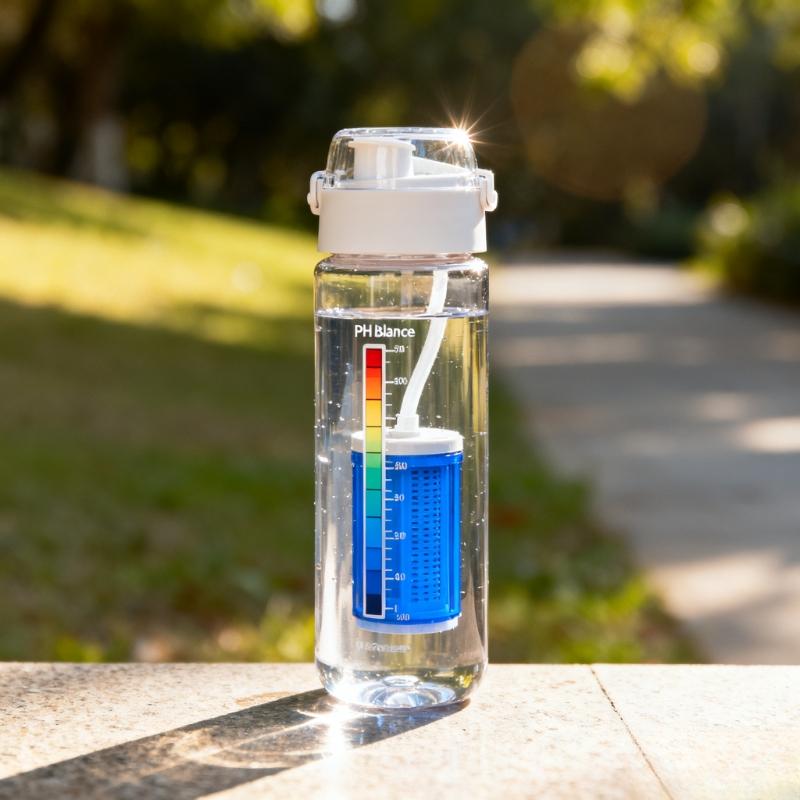
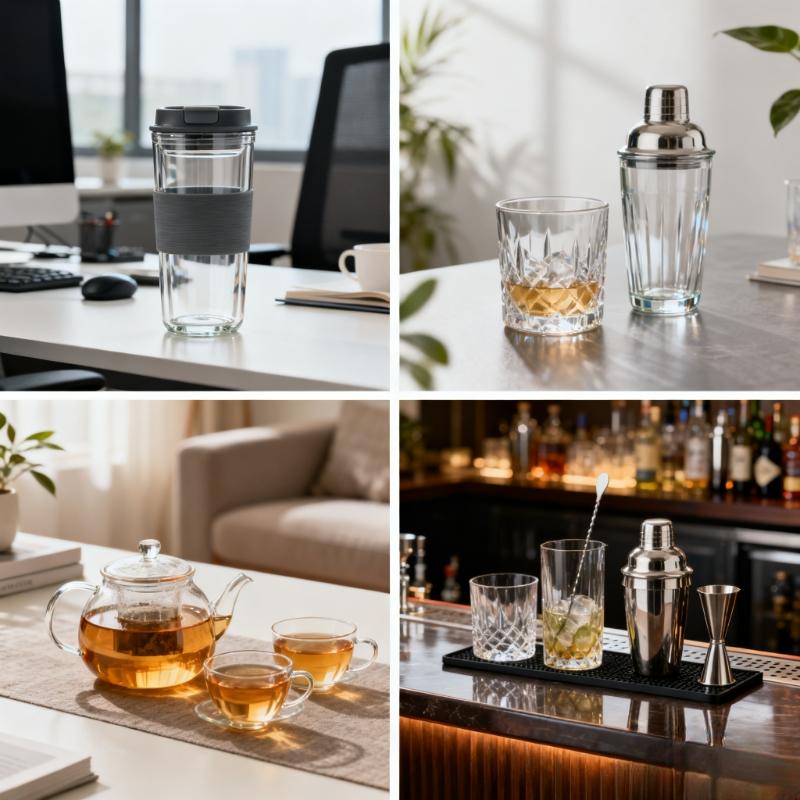
On the consumer side, functional glass products have become a new growth engine. The all-glass health pot launched by Corning WORLD KITCHEN adopts integrated molding of maternal and child-grade borosilicate glass, without metal base and plastic parts, with temperature difference resistance of -20°C~200°C. Equipped with STC temperature sensing system 3.0 to achieve precise temperature control, it ranked among the top health pots after launch . Japan's HARIO launched a smart tea cup, which combines portability and drink taste through ceramic-coated stainless steel and double-layer vacuum insulation design, priced at $36 for urban commuters .
Industry Outlook: Three Growth Opportunities Under Policy Dividends
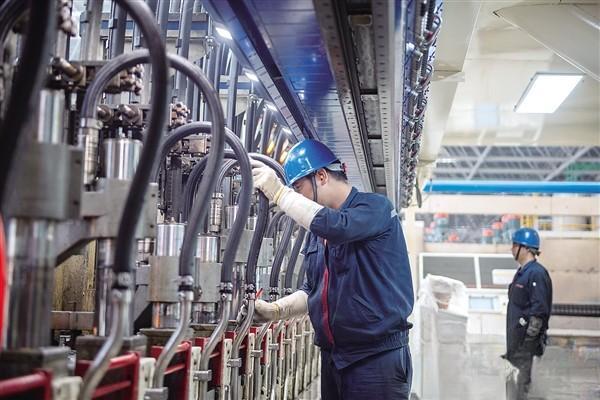
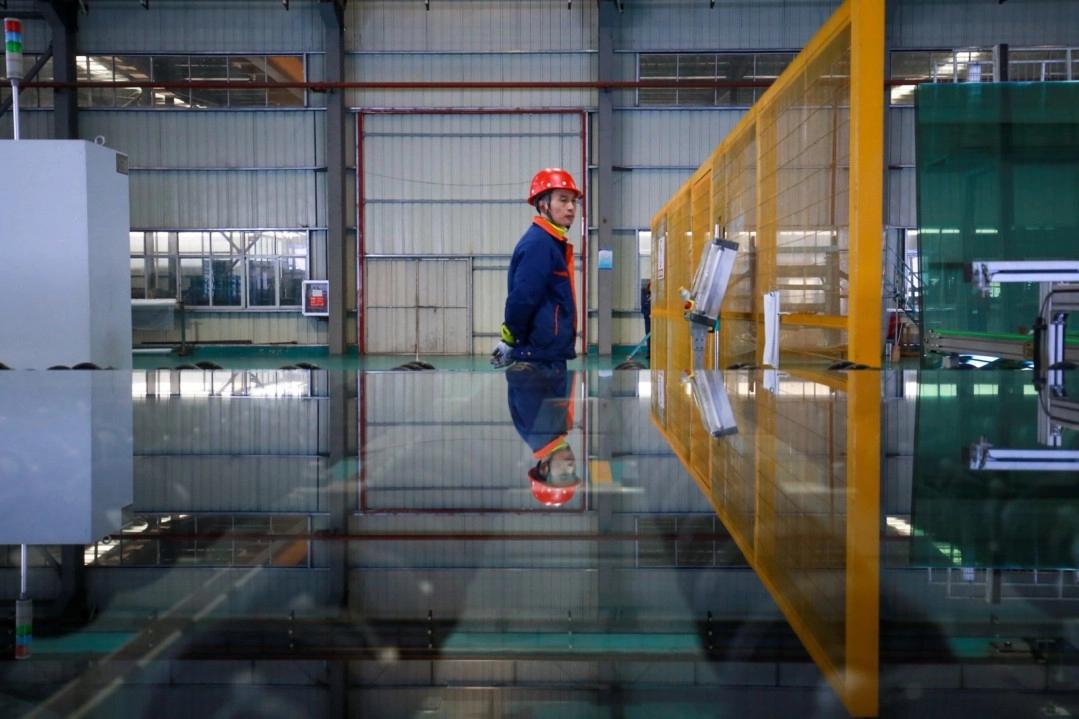
- Green manufacturing upgrade: The policy requires 50% of glass capacity in key areas to complete ultra-low emission transformation by the end of 2025, spawning supporting markets such as flue gas treatment and energy-saving equipment, with an expected scale of over 20 billion yuan;
- "AI + glass": The "Plan" deploys the "AI + building materials" initiative, leading to a surge in demand for smart glass production lines and AI glass defect detection equipment. An enterprise's product qualification rate increased from 92% to 99.5% after introducing AI detection;
- Overseas market expansion: With the help of the "Belt and Road" cooperation, China's energy-saving glass and photovoltaic glass technologies are exported to Southeast Asia and Africa. Export volume increased by 32% year-on-year in the first half of 2025, and overseas factory construction has become a new trend.