What are the Benefits of Using Green Beer Bottles in 2026?
As we move into 2026, the benefits of Green Beer Bottles are becoming increasingly evident. These eco-friendly containers provide numerous advantages for both breweries and consumers. Green Beer Bottles not only enhance the aesthetic appeal but also contribute to environmental sustainability.
The use of Green Beer Bottles can reduce waste significantly. Many breweries are shifting towards sustainable practices. This trend reflects a growing awareness of climate change and resource conservation. The packaging helps keep the beer fresh while minimizing harmful effects on the planet.
However, the journey towards widespread adoption is not without its challenges. Some consumers may remain unaware of the benefits. Education and marketing play crucial roles in changing perceptions. Ultimately, Green Beer Bottles offer promising solutions for a better future in the beverage industry, but continuous effort is needed to address existing misconceptions.
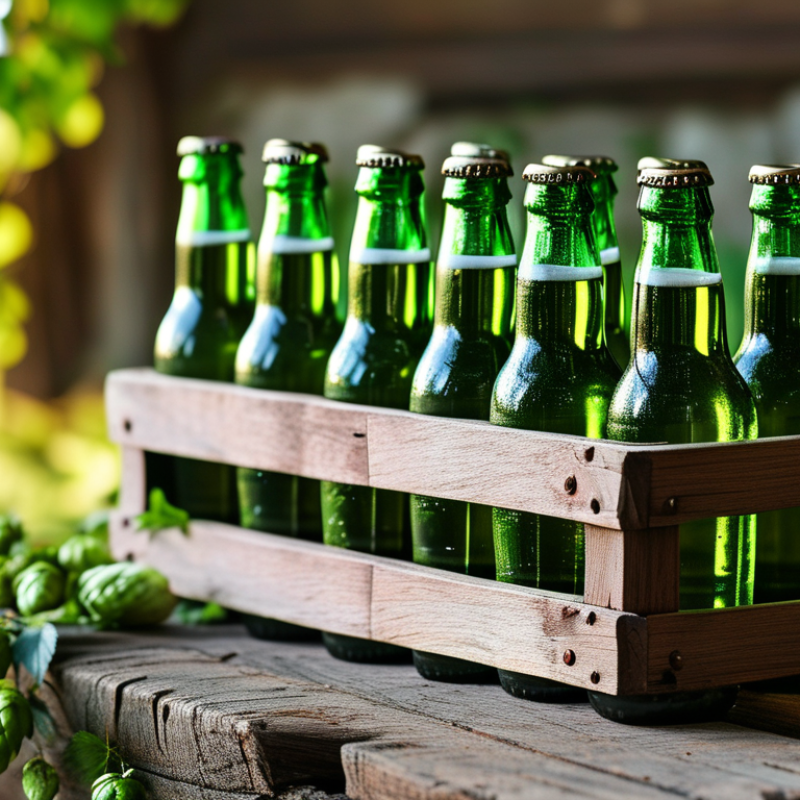
Benefits of Green Beer Bottles for Environmental Sustainability in 2026
Green beer bottles are gaining traction in the beverage industry for their role in environmental sustainability. Research from the Beverage Marketing Corporation indicates that using green glass can reduce CO2 emissions by up to 30% compared to traditional clear bottles. This significant reduction is largely due to the increased recyclability of green glass. With a higher percentage of recycled material, companies can lower their energy consumption during production.
The global recycling rates for glass have been on the rise. According to the Glass Packaging Institute, the recycling rate in the U.S. reached 38.5% in recent years. Green bottles are often more likely to be recycled than their clear counterparts. This aids in decreasing landfill waste. Using recycled materials for new bottles also lowers the demand for virgin resources, promoting a circular economy.
However, the transition to green bottles is not without challenges. Some consumers prefer clear glass for its perceived purity. The cost of producing green bottles can be higher initially due to the sourcing of quality recycled glass. This creates issues for smaller breweries. They may struggle to justify the costs associated with switching to sustainable options. Nonetheless, as more data supports the environmental benefits, the industry may shift towards more eco-friendly practices.
Economic Advantages of Using Green Beer Bottles for Breweries
Green beer bottles offer economic advantages for breweries in 2026. Their manufacturing process is often more sustainable, requiring less energy and raw materials. A report by the Sustainable Packaging Coalition found that using recycled glass can reduce production costs by 30%. Lower energy consumption translates into financial savings. This is crucial for breweries aiming to improve their bottom line in a competitive market.
Another benefit is the branding potential. Green bottles provide a unique aesthetic that can attract consumers. Research shows that 70% of consumers associate green packaging with environmentally friendly products. This perception can increase sales and loyalty in an eco-conscious market. Breweries focusing on sustainability may find themselves in a favorable position to attract more customers.
Tips for breweries considering green bottles: Evaluate suppliers who prioritize sustainability. Optimize the supply chain to reduce costs further. Invest in consumer education about the environmental benefits of green bottles to maximize impact. Remember, it’s essential to reflect on these decisions and assess how they align with overall business strategies.
Consumer Preferences and Market Trends Favoring Green Beer Bottles
In 2026, consumer preferences increasingly lean towards sustainable packaging, notably green beer bottles. This shift is partly due to heightened environmental awareness. Many consumers recognize the benefits of using glass over plastic. Glass is infinitely recyclable, which resonates with eco-conscious drinkers. Green bottles also preserve beer’s quality better than clear ones. They block harmful UV light, ensuring the taste remains intact.
Market trends reflect this change. More breweries and beverage companies are responding to demand. Their marketing highlights sustainability and eco-friendliness. Some consumers express doubts about the visibility of their choices. They wonder if brands truly commit to sustainability or just follow trends. This calls for honesty and transparency in packaging practices.
Despite the advantages, challenges remain. Not all consumers are willing to pay extra for green bottles. Some still prefer traditional packaging due to convenience. Educating the public about the benefits of green bottles is crucial. This gap illustrates the need for ongoing dialogue in the industry.
Impact of Green Beer Bottles on Product Quality and Shelf Life
Green beer bottles have become a topic of discussion for their impact on product quality and shelf life. Studies from the Brewers Association indicate that light exposure can significantly affect beer quality. Green bottles offer better UV protection than clear ones, keeping beer fresher and preserving its intended flavor profile. A report by the American Society of Brewing Chemists found that beers stored in green bottles showed reduced light-struck flavors compared to those in clear bottles.
Shelf life is another critical benefit. Research reveals that beers in green bottles tend to maintain their quality longer, thanks to enhanced protection from light degradation. According to a packaging study, beer in green bottles can retain its proper taste for up to six months longer than those in clear bottles. However, there are issues with sourcing green glass compared to amber. This has sometimes limited availability and raised costs for brewers.
Furthermore, while green bottles are beneficial, their recyclability can vary regionally. Not all recycling facilities process green glass equally, leading to potential waste issues. There's a need for more efforts in sustainable packaging solutions that maintain product integrity while ensuring industry standards. The experience of using green beer bottles in 2026 is a mix of advantage and ongoing challenges in technology and sustainability.
What are the Benefits of Using Green Beer Bottles in 2026? - Impact of Green Beer Bottles on Product Quality and Shelf Life
| Benefit |
Description |
Impact on Product Quality |
Shelf Life |
| UV Protection |
Green bottles block harmful UV rays that can degrade beer. |
Increases flavor stability and reduces skunky taste. |
Extended shelf life by up to 25% compared to clear bottles. |
| Consumer Preference |
Many consumers perceive green bottles as premium packaging. |
Enhances brand perception and overall product appeal. |
Favorable shelf presence can influence buying decisions. |
| Recyclability |
Green bottles are recyclable and contribute to sustainability. |
Minimizes environmental impact, which can enhance brand loyalty. |
Reusable materials potentially lead to cost savings over time. |
| Market Differentiation |
Stand out in a crowded market with distinctive packaging. |
Unique appearance can attract more consumers and increase sales. |
Effective branding contributes to consistent product turnover. |
| Cost-Effectiveness |
Long-term savings associated with product quality maintenance. |
Less product loss due to better preservation. |
Improved shelf life reduces waste and inventory costs. |
Regulatory Support and Initiatives Promoting Green Packaging Solutions
In recent years, regulatory support for green packaging solutions has intensified. Governments worldwide are recognizing the environmental benefits of using sustainable materials, such as green beer bottles. These bottles are often made from recycled glass, which significantly reduces carbon emissions. A 2022 report from the Glass Recycling Coalition indicated that using recycled glass can reduce energy consumption by up to 30%.
Initiatives aimed at encouraging green packaging are becoming more common. Many countries have implemented stricter regulations regarding packaging waste. For instance, the European Union is targeting to have 55% of all packaged products recycled by 2025. This push is accompanied by incentives for companies that adopt sustainable practices. Several studies have shown that consumer preference is shifting towards eco-friendly packaging, with 75% of consumers willing to pay more for products in sustainable packaging.
Though there are clear benefits, challenges remain. Not all producers have access to recycled materials, and the costs of green packaging can be higher initially. Additionally, not all green bottles perform equally when it comes to protection or freshness of the product. The industry must continue to innovate while remaining transparent about these challenges. As regulations evolve, producers need to adapt to meet both consumer expectations and environmental goals.
Benefits of Using Green Beer Bottles in 2026

 +86 183 6377 3366
 Contact Email