Top 10 Beverage Bottles from China for Global Buyers?
The beverage bottles industry in China has gained remarkable attention from global buyers. With a range of innovative designs and sustainable materials, these bottles meet diverse consumer needs. According to Dr. Emily Chen, an expert in packaging sustainability, "Beverage bottles represent both functionality and environmental responsibility in today's market."
Globally, the demand for beverage bottles has surged. Companies are looking for reliable sources that can provide quality and eco-friendly options. Chinese manufacturers have stepped up to this challenge. They offer various shapes and features, enhancing user experience. Moreover, international buyers appreciate the competitive pricing without compromising product quality.
However, challenges exist. Quality control can vary among producers. Brands must carefully assess potential partners. This ensures they receive the best products that align with their values. The exploration of Chinese beverage bottles unveils opportunities, yet it also demands thorough evaluation and insight for success.
Popular Types of Beverage Bottles Manufactured in China
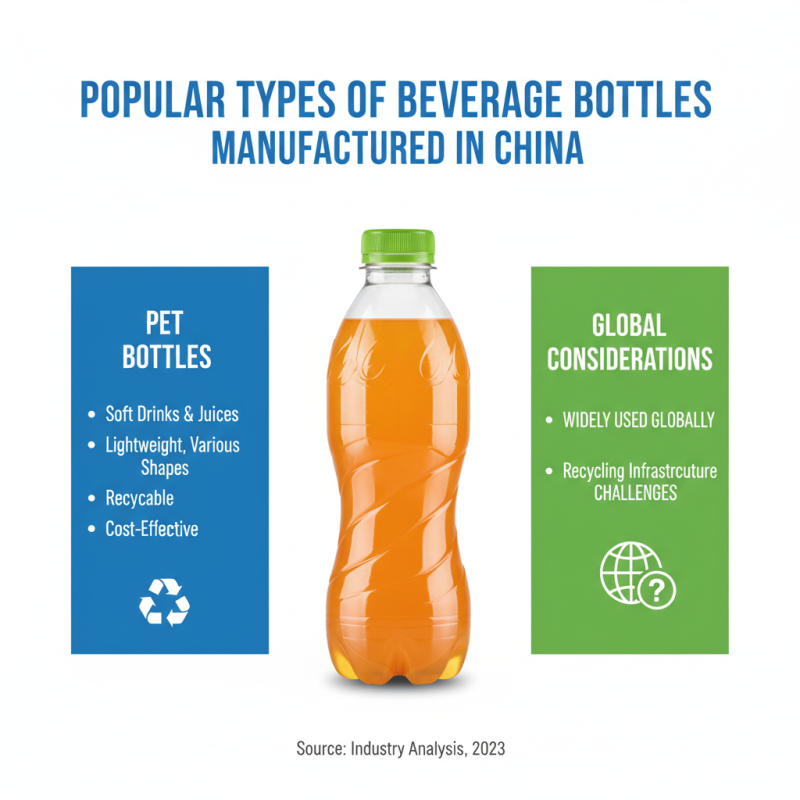
When considering beverage bottles from China, several popular types stand out for global buyers. PET bottles are widely used for soft drinks and juices. These bottles are lightweight and can be produced in various shapes. They are recyclable and often a cost-effective option for brands. However, ensuring proper recycling systems in different countries remains a challenge.
Glass bottles are also produced in considerable quantities. They are favored for premium beverages. Glass is considered safe and does not alter the flavor of the drink. Yet, their heavier weight can increase shipping costs. Buyers must balance quality and transport logistics carefully.
Another type is aluminum cans. These are commonly seen for beers and energy drinks. They are lightweight and easily stackable. However, aluminum production has significant environmental impacts. Buyers should consider sourcing from manufacturers that prioritize sustainable practices. Each type has its unique benefits and downsides. Selecting the right bottle type requires careful thought and evaluation.
Key Features to Look for in Beverage Bottles
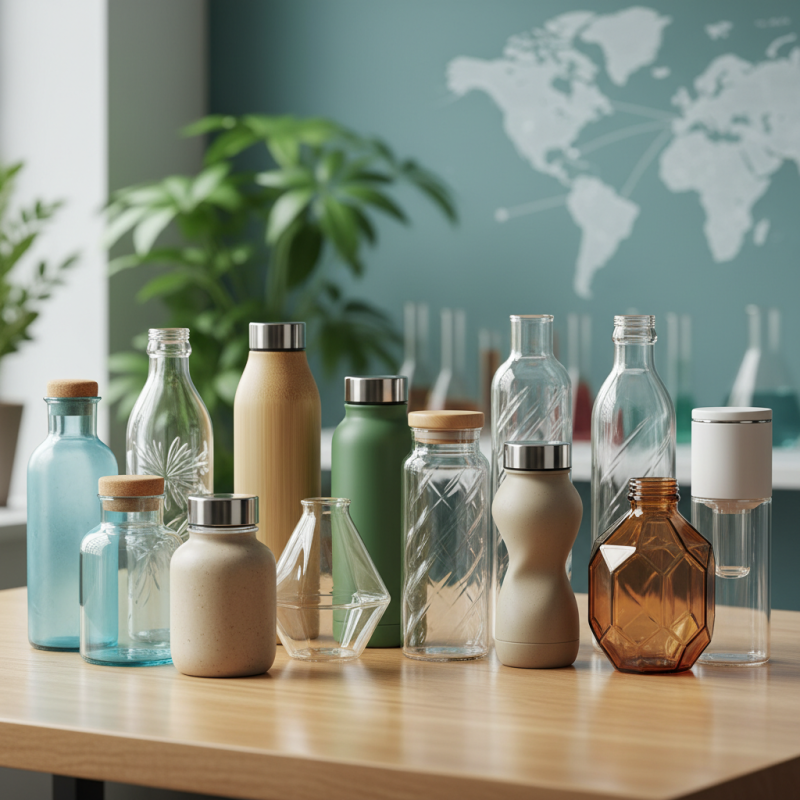
When selecting beverage bottles from China, buyers should focus on several key features. Material choice plays a crucial role in ensuring safety and durability. Many options are available, including stainless steel, glass, and BPA-free plastic. Each material has its benefits, such as glass being recyclable, while stainless steel is durable and insulation-friendly. However, the right choice depends on the intended use.
Another important feature is leak-proof design. Bottles should effectively seal to prevent spills. Testing the sealing mechanism is essential before bulk ordering. Aesthetic appeal cannot be ignored either. Attractive designs and colors can significantly influence customer purchase decisions. Some buyers may prioritize function over form, but striking designs can expand market reach.
Lastly, consider the capacity of the bottles. Sizes may range from small, single-serving options to larger containers for sharing. A diverse range allows businesses to cater to different customer preferences. Inconsistencies in sizes can lead to dissatisfaction. Always remember, the right beverage bottle combines style, functionality, and quality, but finding that perfect balance may require some trial and error. Continuous feedback from consumers can guide improvements over time.
Top Chinese Brands Leading the Beverage Bottle Market
China is making significant strides in the beverage bottle market, showcasing its expertise and innovative designs. Many Chinese brands have become trusted players, offering a variety of materials and styles. They focus on sustainability. Eco-friendly options are now popular. This aligns with global trends towards reducing plastic waste.
Manufacturers are constantly improving. They experiment with new technologies, making bottles lighter yet durable. Enhanced functionalities, like integrated straws or easy-grip designs, attract consumers. Brand reputation is crucial. Customers seek reliable quality and attractive aesthetics.
However, some brands still grapple with consistency. Variability in quality can affect customer trust. This is a challenge that needs addressing. Transparency in production processes could enhance credibility and foster loyalty. Many companies are aware of this issue and are working to improve. The journey towards global recognition is ongoing, and learning from past shortcomings is essential.
Top 10 Beverage Bottles from China
This chart displays the estimated market share of the top beverage bottle types manufactured in China. It provides insights into which types dominate the global market based on recent trends.
Sustainability Trends in Chinese Beverage Packaging
Sustainability has become a key focus in the beverage packaging industry. As global awareness of environmental issues grows, Chinese manufacturers are adapting their practices. They are investing in eco-friendly materials. Options include biodegradable plastics and recycled glass. These materials reduce waste and the environmental impact of beverage bottles.
Innovations in design have also emerged. Many companies are now implementing minimalistic designs that use less material. These streamlined products not only improve sustainability but also appeal to modern consumers. However, not all manufacturers fully embrace these changes. Some still rely on traditional methods, which can lead to increased carbon footprints. This inconsistency can be troubling for eco-conscious buyers.
The shift toward sustainable packaging requires collaboration among stakeholders. From producers to distributors, each plays a role in making improvements. Yet, the industry faces challenges. Cost and consumer demand influence the speed of change. While progress is visible, ongoing reflection on practices and policies is needed. The potential for a greener future in beverage packaging remains strong.
 +86 183 6377 3366
 Contact Email