What is the Best Beverage Bottles for Global Buyers?
In today’s global market, selecting the right beverage bottles can be a daunting task. With numerous options available, it is essential to understand the various types, materials, and designs. Beverage bottles serve not only practical purposes but also align with personal preferences and environmental concerns.
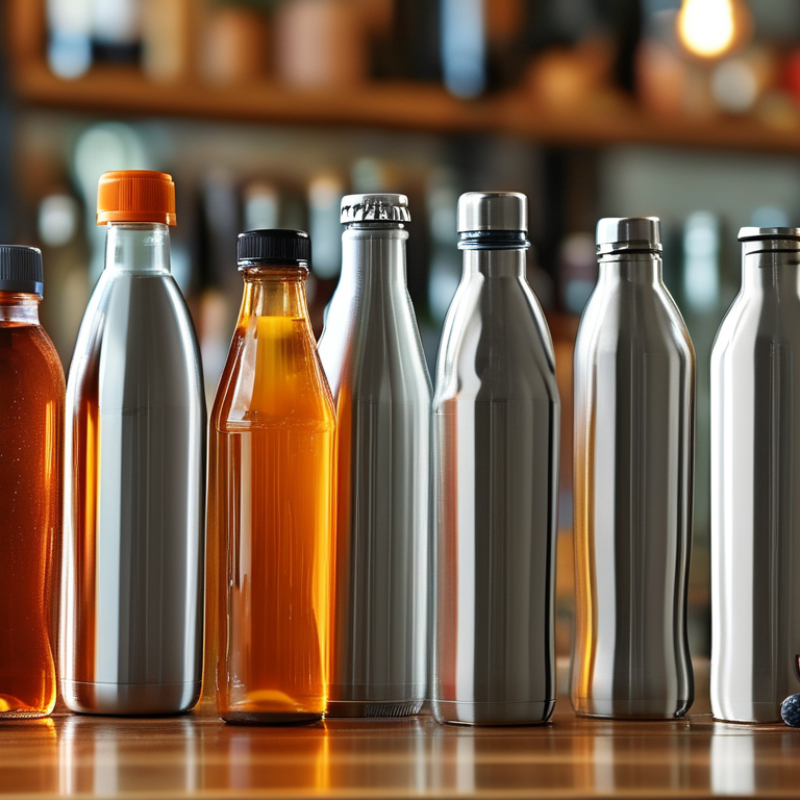
Many consumers seek quality and durability when choosing their beverage bottles. Stainless steel, glass, and BPA-free plastics are among the popular materials. Each type offers distinct benefits, such as insulation or lightweight features. However, not all brands prioritize safety and sustainability, leading to confusion among buyers.
A thoughtful approach is required when exploring diverse options. Transparency in sourcing and manufacturing can enhance a brand's credibility. Consumers should consider factors like ease of cleaning, portability, and the environmental impact of their choices. This journey toward finding the best beverage bottles is about more than just aesthetics; it reflects a commitment to health and the environment.
Factors to Consider When Choosing Beverage Bottles for Global Markets
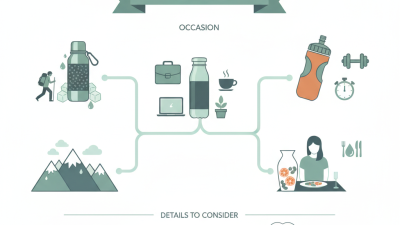
Choosing the right beverage bottles for global markets involves several critical factors. Material, design, and sustainability play vital roles. For instance, a study by Smithers Pira reports that the global market for beverage packaging will grow to $537 billion by 2024, indicating increasing demand. Buyers need to consider the environmental impact of materials. Recyclable and biodegradable options are becoming essential, as consumers are more eco-conscious.
Tip: Prioritize materials that align with sustainability goals. This helps meet both regulatory requirements and consumer expectations. Research shows that 66% of consumers are willing to pay more for sustainable packaging. The design also affects user experience. Ergonomic designs can enhance convenience, making them more appealing in competitive markets.
However, some manufacturers might overlook the importance of local preferences and regulations. It's crucial to consult regional guidelines and trends. The World Health Organization recommends keeping food safety standards in mind. Neglecting this can lead to product recalls and loss of consumer trust.
Tip: Stay updated on local regulations. Regularly monitor changes to packaging laws in different regions. Engaging with local experts can provide insights into market needs and preferences. This approach can guide better decision-making in global beverage packaging strategies.
Popular Materials Used in Beverage Bottles: Pros and Cons
When choosing beverage bottles, materials matter greatly. Each type offers unique benefits and drawbacks. For example, plastic bottles remain popular due to their lightweight nature and durability. According to the American Chemistry Council, over 60 million tons of plastic are produced globally each year. However, concerns about environmental impact and leaching chemicals into beverages are significant. Many consumers hesitate as they navigate these issues.
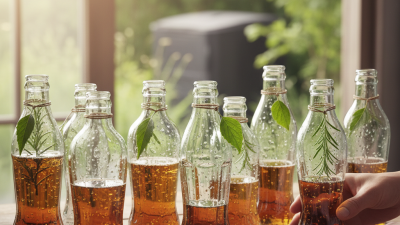
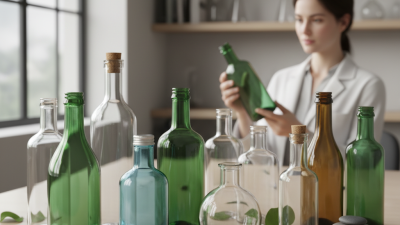
Glass bottles represent another option. They are 100% recyclable and don’t alter the taste of beverages. Industry reports indicate that global glass production reached over 150 million tons in 2021. Despite these advantages, glass is heavier and more prone to breakage, which can deter buyers.
Aluminum bottles are gaining traction, appealing to eco-conscious consumers. They are lightweight and fully recyclable, with a recycling rate of nearly 75% in many regions. Yet, they often require liners to prevent metallic taste, raising questions about their safety. Evaluating the pros and cons of each material is vital. Every choice reflects lifestyle, preferences, and environmental values.
Sustainability Trends in Beverage Bottle Production and Design
The beverage bottle industry is experiencing a significant shift toward sustainability. Many manufacturers are focusing on eco-friendly materials. Biodegradable plastics and recycled glass are gaining popularity. These materials help reduce the environmental impact. However, not all solutions are perfect. Some biodegradable options might still leave microplastics behind.
Design also plays a crucial role in sustainability. Minimalist designs often use less material. Clever designs can encourage reuse, which decreases waste. Yet, some designs may sacrifice functionality for aesthetics. It’s vital for brands to strike a balance. Sustainable choices can be high-quality but may be more expensive. The challenge lies in making these options accessible to all consumers.
Education on sustainability is essential. Many buyers are unaware of the benefits of sustainable bottles. They need information about recycling and proper disposal. This helps foster a culture of responsibility. As consumers become more aware, demand for sustainable bottles will rise. The industry must adapt, but progress takes time and effort from everyone involved.
Sustainability Trends in Beverage Bottle Production
Innovative Features in Beverage Bottles for Enhanced User Experience
When considering the best beverage bottles for global buyers, innovative features play a crucial role in enhancing user experience. Many modern bottles are designed with leak-proof seals, ensuring that your drink stays contained during travel. This avoids the trouble of spills and keeps your bag dry. Ergonomic grips are also gaining popularity, making bottles easy to hold, even during intense activities.
Tips: Always check if the bottle is made from BPA-free materials. This ensures safety for your health and the environment. Consider a bottle that fits in your car's cup holder. Compact design matters in daily use.
The inclusion of built-in straws or filtering systems is another game-changer. Straws promote a convenient drinking experience, especially when on the go. Some bottles even allow you to infuse your water with fruits, enhancing flavor without added sugars. These features indicate a shift towards more personalized hydration solutions.
Tips: Before purchasing, assess any extra cleaning requirements. Some complex designs can be harder to clean. Also, think about the bottle's durability. A smart choice balances design with functionality.
Top Beverage Bottle Brands and Their Global Market Impact
The beverage bottle market plays a pivotal role in global trade. Recent industry reports indicate the market size reached approximately $25 billion in 2022, with projections suggesting a growth rate of 4% annually. This growth reflects rising consumer demand for sustainable packaging. As consumers become more environmentally conscious, companies face pressure to innovate with eco-friendly materials.
The influence of top beverage bottle brands extends to various regions. In North America, reusable bottles are gaining traction among health-conscious consumers. In Asia, the surge in bottled water sales is evident. A recent study found that bottled water sales in Asia increased by 9% in the last year alone. However, reliance on single-use plastics remains a significant concern, highlighting the need for effective recycling solutions.
With more than 50% of consumers prioritizing brand sustainability, the industry's shift towards greener practices is critical. Many brands are exploring biodegradable materials and alternative packaging. Yet, challenges persist. Quality, cost, and consumer education are at the forefront. Companies must navigate these issues to maintain market relevance while advancing environmental goals.
What is the Best Beverage Bottles for Global Buyers? - Top Beverage Bottle Brands and Their Global Market Impact
| Bottle Type |
Material |
Capacity (ml) |
Global Market Share (%) |
Sustainability Rating |
| Reusable Water Bottles |
Stainless Steel |
500 |
25 |
A |
| Sports Drink Bottles |
Plastic |
750 |
15 |
B |
| Glass Beverage Bottles |
Glass |
350 |
20 |
A+ |
| Juice Bottles |
Plastic |
1000 |
10 |
C |
| Coffee Travel Mugs |
Bamboo and Stainless Steel |
400 |
5 |
A |

 +86 183 6377 3366
 Contact Email