China Best Bulk Jars Supplier for Wholesale Buyers?
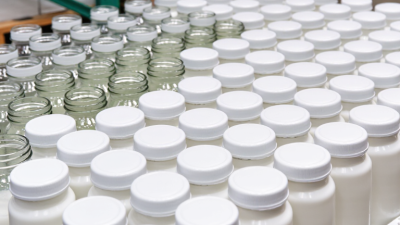
Choosing a China-based supplier for Bulk Jars involves more than comparing unit prices. Wholesale buyers need to assess jar materials, capacity, closure fit, packaging strength, and production consistency. A sample can reveal details a product photo cannot, such as a rough rim, uneven glass, or a lid that loosens after repeated use. Small details matter.
A dependable sourcing process starts with clear specifications. State the target volume, material, color, opening size, order quantity, and destination before requesting a quotation. Ask how samples are approved, how defects are handled, and whether cartons protect jars during transit. Confirm lead times and payment terms in writing. These checks do not guarantee a perfect order, but they make expectations easier to verify.
This guide explains how wholesale buyers can compare suppliers in China, review product options, and ask practical questions before placing a large order. It also considers minimum order quantities, customization, quality checks, and shipping preparation. The lowest quote may not offer the best overall value if packaging is weak or communication is unclear. Still, supplier claims should be checked, not simply trusted. Use documented specifications, sample reviews, and consistent follow-up to make a more informed purchasing decision.
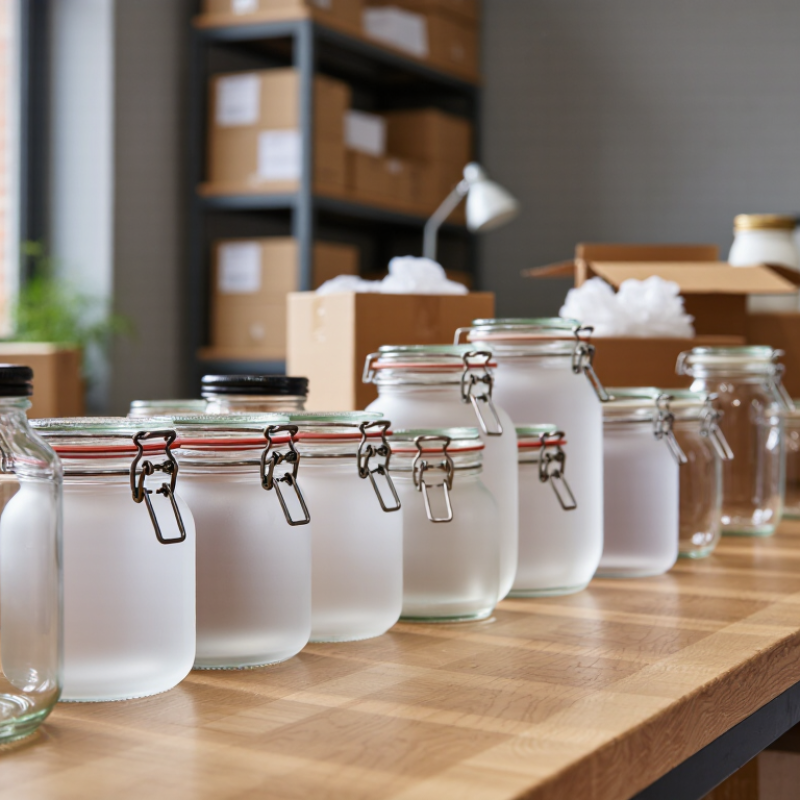
Understanding Bulk Jars and Wholesale Buyer Requirements
Bulk jar sourcing starts with the buyer’s actual filling line, not a catalogue photo. Define usable capacity, opening diameter, neck finish, jar weight, and closure compatibility. Then confirm case quantity, pallet pattern, minimum order, lead time, and acceptable breakage. Small details matter. A jar that looks suitable may jam on an automated line or leave too little headspace.
Material choice also shapes handling and sustainability requirements. The U.S. EPA’s 2018 Advancing Sustainable Materials Management report recorded 12.3 million tons of glass containers and packaging generated in the United States. About 3.1 million tons were recycled, roughly 25%. This is U.S. data, not a universal rate.
For plastic packaging, the OECD’s Global Plastics Outlook reported that only 9% of plastic waste was ultimately recycled worldwide in 2019. Buyers should request clear material specifications and supporting documentation, then assess transport protection and local recycling realities.
Drop or distribution testing can help identify weak points before a large shipment. Yet test results cannot perfectly predict every warehouse or delivery route. That uncertainty deserves honest discussion, not a promise of zero breakage.
Key Factors for Evaluating Jar Suppliers in China
Evaluating jar suppliers in China takes more than comparing unit prices. Start with a written specification covering capacity, material, neck finish, color, lid type, and acceptable tolerances. “500 ml” alone is not enough. Ask for technical drawings and confirm how measurements are checked during production. Small details matter.
Request samples made using the process planned for your order, rather than relying only on showroom pieces. Check the jar’s base for wobbling, look for chips or visible bubbles, and twist each lid several times. A basic fill-and-close test can reveal leaks or awkward handling. One approved sample is not proof that every shipment will match; this step is easy to rush.
Ask about monthly capacity, inspection records, packing methods, and realistic lead times. Request current material or test documents relevant to the jar’s intended use, then verify their scope and issuer. Clear answers are useful; vague promises are not. A low quote may still be reasonable, but compare what it includes: tooling, packaging, rejected-product handling, and shipping terms. Communication matters too. If specifications are repeatedly misunderstood before payment, production may not improve the situation. A written pre-production checklist helps, though it cannot replace checking goods before dispatch.
Comparing Jar Materials, Sizes, and Customization Options
China Best Bulk Jars Supplier for Wholesale Buyers?
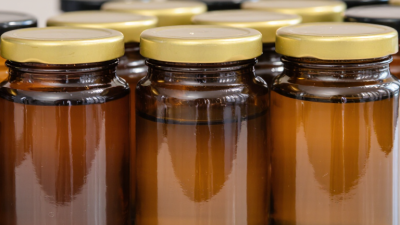
For wholesale orders, jar material affects more than appearance. Glass offers a clear, substantial feel and resists many routine cleaning processes, but its weight can raise freight costs and breakage risk. PET plastic is lighter and easier to handle; confirm its compatibility with your product and filling conditions before ordering.
Small detail, big difference. Compare sample jars with the actual contents, not just a supplier’s photos.
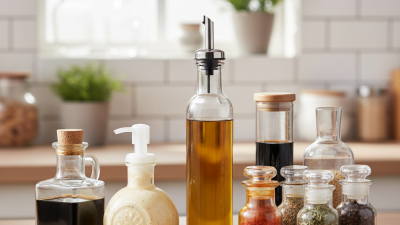
Size also shapes packing and shelf use. A 250 ml jar may suit samples, while larger capacities can reduce refill frequency. Check the jar’s usable volume, opening width, and neck finish together. A wide opening makes scooping easier, but may need a larger lid and more storage space.
Custom options include tint, surface finish, lid color, labels, and direct printing. Ask about minimum order quantities, sample fees, and production lead times in writing.
A polished mock-up can still mislead; inspect a physical sample for lid fit, print alignment, and how the jar feels when filled. Bulk buying rewards careful checks, though I would still allow room for small production variations.
Assessing Supplier Quality, Compliance, and Production Capacity
Choosing a bulk jar supplier takes more than comparing unit prices. Start with measurable specifications: capacity, dimensions, wall thickness, closure fit, and acceptable defect rates. Ask for samples from a regular production run, not only display pieces. Check the rim for chips, inspect the base for wobble, and test lids across several jars. Small inconsistencies can slow packing lines. A good sample matters. But one sample cannot prove consistent quality.
Review documentation for material composition, product testing, and traceability. Requirements vary by destination and intended use, so confirm them with qualified compliance staff before placing a large order. Ask how batches are identified and how quality issues are recorded. Clear answers are useful; vague promises are not. Documents also need checking against the actual jar specifications.
Production capacity should be verified with recent output figures, equipment details, and realistic lead times. Ask how the supplier handles peak-season orders, replacement stock, and rejected batches. A factory may quote impressive volumes yet struggle with frequent design changes. That is easy to overlook. If possible, arrange a facility visit or independent inspection before shipment. Even then, inspections offer a snapshot, not a guarantee; buyers should keep checking performance across repeat orders.
Planning Pricing, Shipping, and Ongoing Supplier Management
Wholesale jar pricing should be compared by usable cost, not unit price alone. Ask suppliers to quote the jar, lid, protective packaging, and any setup charges separately. A small difference per piece can grow across a pallet. Request a sample and check its capacity, finish, and closure fit before approving a larger order. Samples can look better than production runs, so keep one as a reference.
Shipping estimates need clear assumptions. Confirm carton dimensions, units per carton, gross weight, dispatch timing, and quote validity. These details help your freight provider estimate the landed cost more accurately. For fragile glass jars, ask how dividers and cushioning are arranged, then inspect the first delivery for chips or loose lids. Delays happen. Build a modest buffer into restocking plans, especially before seasonal demand. I once overlooked carton size in a comparison; the cheaper quote was less attractive after freight.
Supplier management continues after the purchase order. Agree on a contact for order updates, a process for reporting defects, and a realistic reorder lead time. Track delivery dates, breakage, and quality differences from batch to batch. Keep records. Review them before negotiating volume pricing or changing suppliers. No spreadsheet catches everything, but a simple log can reveal recurring problems early.
Bulk Jar Purchasing: Illustrative Landed Cost per 1,000 Units
A sample planning scenario for comparing product, packaging, and shipping costs.
This example assumes $480 for jars, $60 for export packaging, $180 for freight, and $12 for insurance per 1,000 units. Figures are illustrative planning inputs, not supplier quotes. Duties and taxes vary by product classification, origin, and destination; confirm them before placing an order.
 +86 183 6377 3366
 Contact Email