How to Choose the Best Beverage Bottles for Your Business?
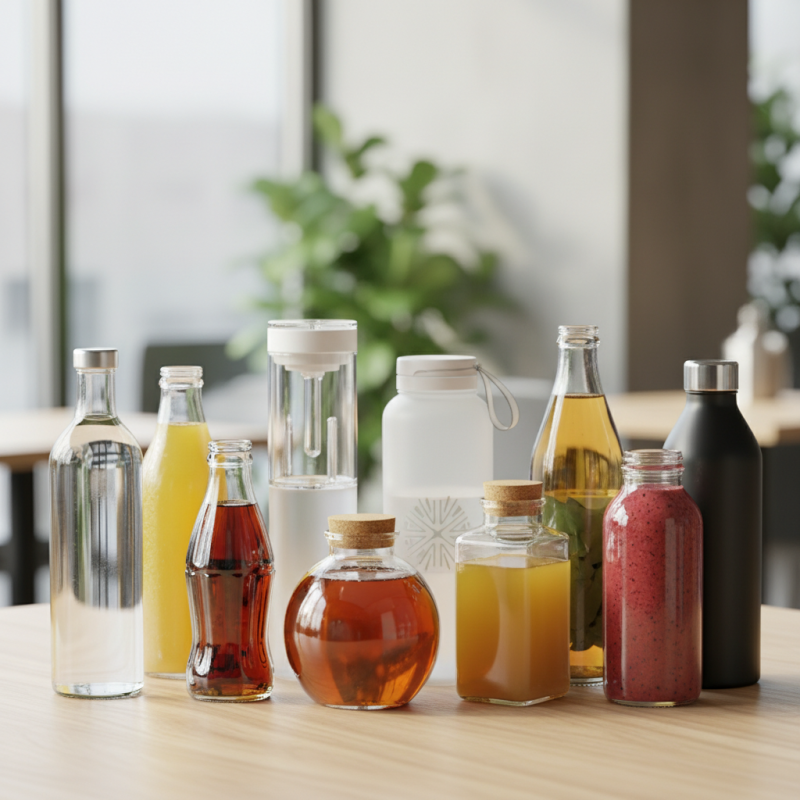
Choosing the right beverage bottles for your business is essential. The right bottle can enhance your brand image and appeal to customers. Beverage bottles come in various shapes, sizes, and materials. Each type serves different purposes and markets.
When selecting beverage bottles, consider your product and target audience. Durable, eco-friendly materials attract health-conscious consumers. Unique designs can differentiate your brand in a crowded market. However, it's easy to overlook quality and functionality in the rush to innovate.
Don't forget about practicality. Bottles must be easy to use and transport. They should also protect your beverage's quality. Reflecting on the details will ultimately strengthen your brand's reliability. Focus on a balance of style and substance.
Understanding Your Business Needs for Beverage Bottles
When selecting beverage bottles for your business, understanding your specific needs is crucial. Recent reports indicate that over 67% of consumers prefer eco-friendly packaging. For businesses, this means knowing the material that aligns with sustainability goals is essential. Consider using glass or biodegradable plastics to meet consumer expectations while enhancing your brand image.
Product durability is another critical aspect. Many studies show that 78% of beverage companies report breakage as a major challenge. Choosing bottles made from resilient materials can mitigate this problem. Assess how these bottles perform under various conditions, such as temperature extremes during transport. The details matter; look for bottles that endure wear and tear.
Branding plays a significant role. A well-designed bottle can increase visibility. Research suggests that 60% of purchasing decisions are influenced by packaging design. However, striking a balance between aesthetics and functionality can be difficult. Reflect on how your choices impact consumer perception. Are they truly reflective of your brand values? Engaging with your target audience during the selection process can provide valuable insights.
Exploring Different Types of Beverage Bottles Available in the Market
When selecting beverage bottles for your business, understanding the available types is crucial. The market offers a diverse range of bottles, each with unique features. For instance, plastic bottles are lightweight and recyclable. They represent about 54% of the market share as of 2023. However, consumers are increasingly concerned about environmental impact. This has led to a rise in demand for reusable stainless steel and glass bottles. These alternatives are perceived as more eco-friendly choices.
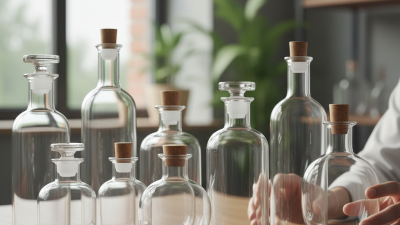
Glass bottles, although heavier, are favored for certain beverages like craft beverages and premium juices. According to industry reports, glass bottles can enhance the perceived quality of a product. They can particularly appeal to health-conscious consumers. Moreover, a survey found that 73% of consumers prefer beverages in glass due to taste and safety concerns.
While plastic remains dominant, the trend indicates a shift towards sustainable materials. Many businesses need to reconsider their packaging strategies. Focusing solely on cost efficiency may overlook consumer preferences. Balancing cost, functionality, and sustainability is essential for choosing the right bottles for your brand's identity. Finding this balance can lead to a competitive advantage in a crowded market.
How to Choose the Best Beverage Bottles for Your Business? - Exploring Different Types of Beverage Bottles Available in the Market
| Bottle Type |
Material |
Capacity (ml) |
Advantages |
Disadvantages |
| Plastic Bottles |
PET |
500 |
Lightweight, Cost-effective, Recyclable |
Not reusable, Environmental concerns |
| Glass Bottles |
Borosilicate |
750 |
Reusable, Non-reactive, Better taste retention |
Heavy, Fragile |
| Aluminum Bottles |
Aluminum |
600 |
Durable, Lightweight, Recyclable |
Costly, Not suitable for hot beverages |
| Stainless Steel Bottles |
Stainless Steel |
1000 |
Highly durable, Insulated options |
Higher price, Heaviness |
| Biodegradable Bottles |
PLA |
500 |
Eco-friendly, Compostable |
Limited shelf life, Requires composting conditions |
Evaluating Materials and Their Impact on Beverage Quality
When selecting beverage bottles for your business, the materials play a crucial role. Different materials can significantly affect beverage quality, impacting taste and safety.
Glass, for instance, is inert and prevents the leaching of chemicals. However, it can be fragile and heavy, posing shipment risks. On the other hand, plastic bottles are lightweight and durable but may contain chemicals that can alter the drink's flavor.
Tips: Always choose BPA-free plastics to ensure safety. Consider using recycled materials to appeal to environmentally conscious consumers.
For beverages that require temperature control, stainless steel bottles can be one of the best options. They keep drinks cold or hot for extended periods without affecting the flavor. However, they tend to be more expensive than other materials. Weighing cost against quality is essential when making your decision.
Tips: Test different materials with your beverages. Conduct taste tests to see which option retains the desired flavor. Ensure your chosen materials align with your brand values, promoting quality and sustainability.
Analyzing Cost-Effectiveness and Budget Considerations
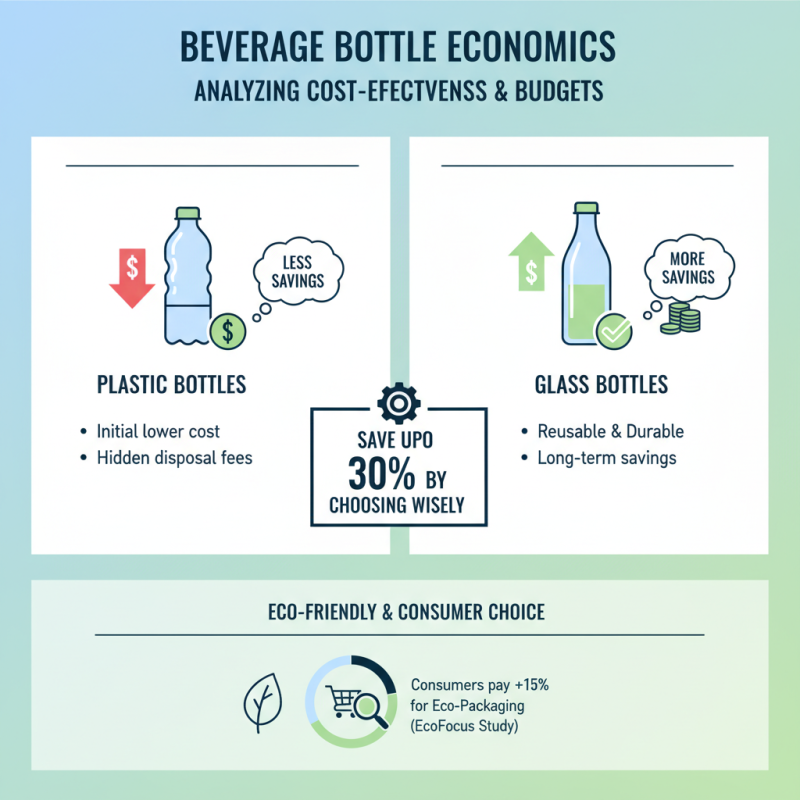
When selecting beverage bottles for your business, cost-effectiveness is key. Reports show that companies can save up to 30% by choosing the right materials. Plastic bottles may initially seem cheaper but often incur hidden disposal costs. In contrast, glass bottles can be reused, providing a long-term cost advantage. A study by EcoFocus found that consumers are willing to pay 15% more for eco-friendly packaging.
Budget considerations extend beyond purchase prices. Shipping costs can vary significantly depending on bottle weight and size. Lightweight materials often reduce shipping expenses. According to the Beverage Marketing Corporation, companies that optimize their logistics can save around 20% on distribution costs. Analyzing local suppliers might also yield savings on transportation.
Design is another aspect often overlooked. A bottle that is visually appealing can attract more customers. However, premium designs might inflate the budget. Balancing aesthetics and functionality is crucial. Testing different prototypes can reveal insights. Some designs may look great but fail in practicality, leading to wasted resources. Consider gathering feedback from customers and employees to refine your choices.
Assessing Customization Options and Branding Potential
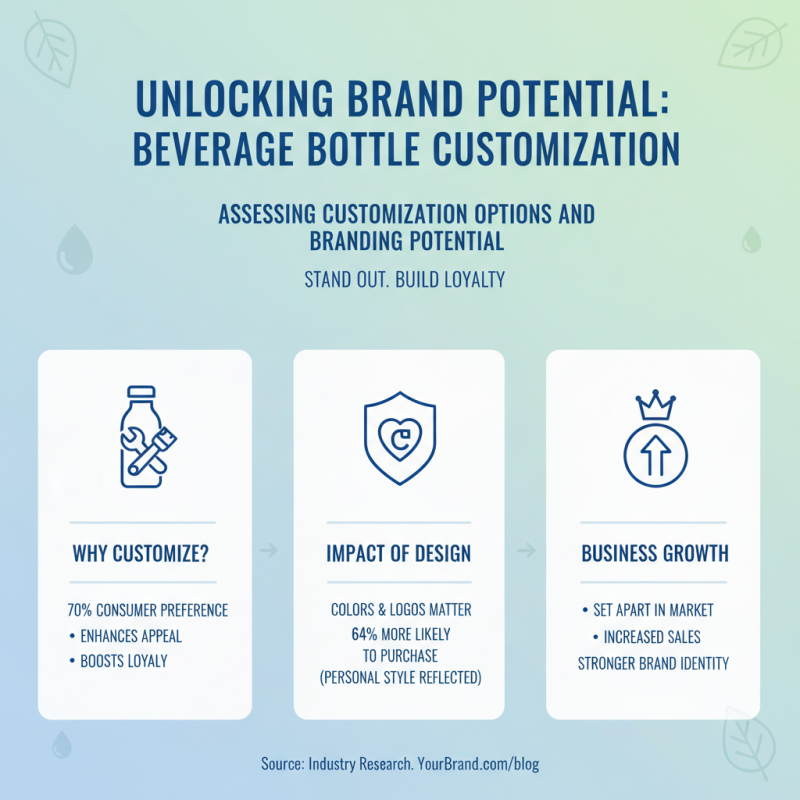
In today’s competitive market, customizing beverage bottles can set your business apart. According to industry research, 70% of consumers prefer brands that offer personalized products. Customization not only enhances product appeal but also boosts brand loyalty. Simple design changes, like colors and logos, can have significant impacts. A study found that 64% of customers are more likely to purchase from brands that reflect their personal style.
Creating a strong brand presence is crucial. Bottles that offer unique branding opportunities can lead to increased customer recognition. A survey indicated that 58% of customers recall brands better when they see their logos on functional items. Utilizing eco-friendly materials adds another layer of appeal. Companies can leverage sustainability trends by providing recyclable options. However, balancing cost and quality can be challenging. Brands must ensure that customization doesn't compromise the product’s functionality or aesthetics, as 45% of consumers reported reduced trust when quality fails.
Moreover, the design process requires careful consideration. It’s vital to evaluate production capabilities and lead times. Many businesses underestimate the impact of a well-designed bottle. The wrong choice can lead to unsatisfactory results and wasted resources. By focusing on thoughtful customization and branding strategies, businesses can gain a competitive edge and foster deeper connections with their customers.
 +86 183 6377 3366
 Contact Email