How to Choose the Best Coffee Cups for Your Business Needs?
Choosing the right coffee cups for your business is crucial. Whether you run a café or an office, the right cup can enhance the customer experience. As industry expert Julia Simons once said, "The right coffee cup can make every sip an experience." Her words highlight the importance of selection.
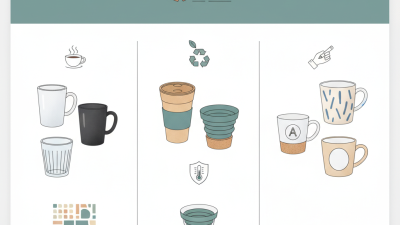
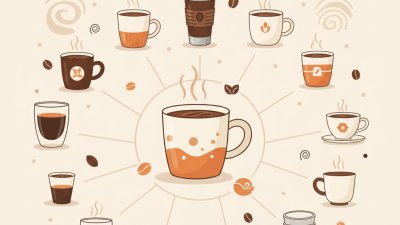
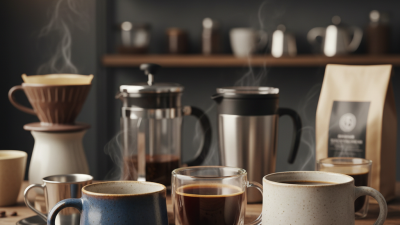
Coffee cups come in various shapes, sizes, and materials. Each type serves different needs. For example, ceramic cups offer a classic feel, while disposable cups are convenient for to-go options. Reflecting on your brand's image is vital. Are you aiming for elegance or practicality? Your choice of coffee cups should align with your overall business strategy.
Moreover, consider sustainability. Many consumers prefer eco-friendly options. Choosing biodegradable cups can impress environmentally-conscious customers. Think about your audience and their preferences. The ideal coffee cup does more than hold coffee; it represents your brand’s values. Reassess your choices regularly to stay relevant in the ever-changing market.
Understanding the Different Types of Coffee Cups Available
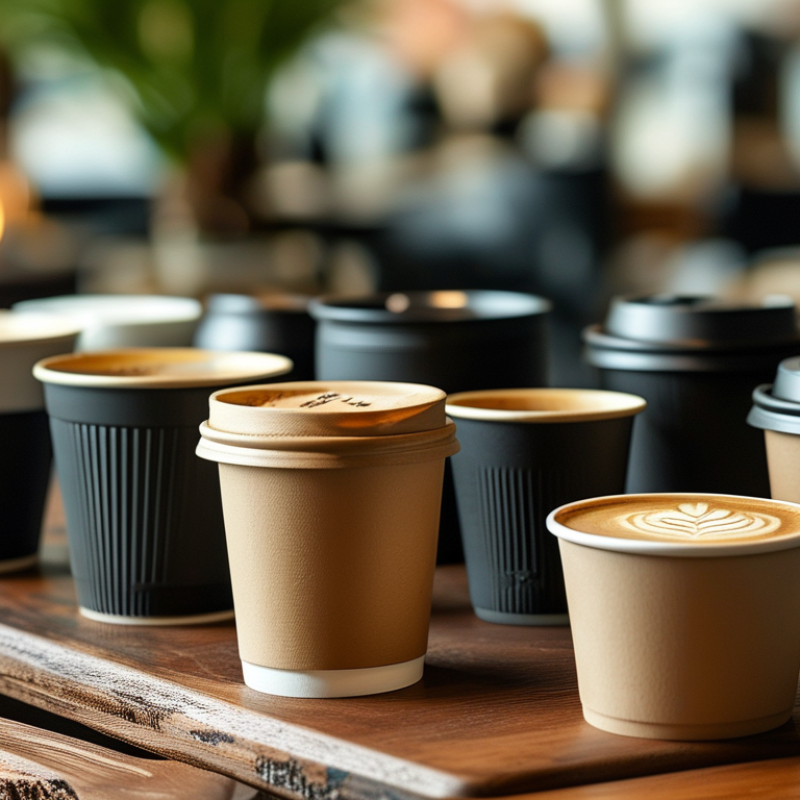
Choosing the right coffee cups for your business is crucial. Several types of coffee cups are available, each serving different purposes. Consider the materials. Disposable cups are convenient. However, they have environmental drawbacks. On the other hand, reusable cups contribute to sustainability. Balancing convenience and eco-friendliness is vital.
Next, think about the design. Aesthetic appeal can influence customer experience. Simple, classic designs can be elegant. Bright, colorful options might attract a younger audience. Ensure your branding is clear and visible on the cups. This enhances brand recognition during service.
Don't forget sizes. Cups come in various sizes to accommodate different beverages. Offering small, medium, and large options can meet customer needs. However, having too many choices might overwhelm some customers. Seek a balance that promotes ease without compromising variety. Each choice reflects your commitment to quality and customer satisfaction.
How to Choose the Best Coffee Cups for Your Business Needs? - Understanding the Different Types of Coffee Cups Available
| Cup Type |
Material |
Capacity (oz) |
Insulated |
Best Use Case |
| Ceramic |
Ceramic |
8-16 |
No |
Dine-in settings |
| Paper |
Paper |
8-12 |
No |
Takeout and events |
| Plastic |
Plastic |
8-20 |
No |
Events and large gatherings |
| Glass |
Glass |
8-12 |
No |
Upscale settings |
| Stainless Steel |
Stainless Steel |
12-20 |
Yes |
Outdoor events |
Assessing Your Business Needs for Coffee Cup Selection
Choosing the right coffee cups for your business starts with a clear understanding of your specific needs. Factors such as the type of beverage served, customer preferences, and usage context play vital roles. For instance, according to a recent industry report, 80% of coffee consumers prefer sustainable options. This statistic underlines the importance of selecting eco-friendly materials that resonate with your clientele.
Moreover, size matters. A study indicated that 60% of consumers appreciate cups ranging from 8 to 12 ounces for their coffee. This insight can guide your purchasing decisions. Also, consider the aesthetic appeal of your cups. Visual branding elements can elevate customer experience and loyalty. Many businesses have noticed that visually appealing cups not only enhance their brand image but also lead to a 30% increase in customer interactions.
Finally, it’s crucial to reflect on the quality of the cups. Low-quality products may lead to dissatisfaction, impacting your business reputation. Gathering feedback from staff and customers can provide valuable insights. Striking the right balance between functionality and design is essential for meeting your business goals and enhancing customer satisfaction.
Evaluating Material Options for Durability and Insulation
When selecting coffee cups for business, material choice is crucial. A report by the Specialty Coffee Association highlights that over 50% of consumers prefer cups that maintain temperature. Insulation properties can greatly affect a customer’s experience. Double-walled cups are often preferred for hot beverages, providing significant heat retention. This can enhance satisfaction and repeat business.
Durability is another key factor. According to industry data, ceramic cups are often favored in coffee shops for their resilience and aesthetic appeal. However, they can be heavy and prone to breakage. On the other hand, biodegradable materials are becoming popular. While they offer sustainability, their durability can be questionable, leading to potential waste and extra costs.
Considering use cases is important. For businesses with high foot traffic, polycarbonate or stainless steel options can be more practical. These materials can withstand rough handling and last longer. Yet, they may compromise on the aesthetic experience that some customers seek. Balancing durability, insulation, and customer preference requires thoughtful evaluation. Each business's unique needs should shape the final decision on cup selection.
Design and Branding Considerations for Your Coffee Cups
Choosing coffee cups involves various design and branding considerations. The cup's material impacts both aesthetics and customer experience. Research shows that 72% of consumers consider design when selecting a product. Eco-friendly materials can enhance brand perception. Kraft paper and biodegradable plastics are popular choices.
Color and logo placement are equally significant. Bright colors can attract attention. A 2021 study indicated that branding on coffee cups increases recognition by 40%. Proper positioning of logos creates a lasting impression. However, oversizing logos can lead to clutter, diluting the brand message.
Additionally, consider practicality. Cups should be easy to hold and maintain. For instance, double-walled cups retain temperature but require more design effort. Some brands ignore user feedback, leading to poorly designed products. Balancing visual appeal with functionality is key. If brands fail to integrate both aspects, they risk alienating customers.
Budgeting for Coffee Cups: Cost vs. Quality Analysis
When choosing coffee cups for your business, budgeting is crucial. The cost of coffee cups can vary widely based on materials, design, and brand. You may find disposable cups at a lower price but consider their environmental impact. Using cheaper materials can affect how customers perceive your brand. A high-quality cup, though pricier, can enhance customer satisfaction.
Finding the right balance between cost and quality is essential. Investing in durable materials like ceramic or glass can lead to long-term savings. These cups withstand wear and tear, reducing the frequency of replacements. However, keep an eye on the initial costs. They might strain your budget initially but can pay off in customer retention.
It’s also important to reflect on the type of experience you want to provide. A stylish cup can elevate the overall coffee experience for your customers. You may need to reconsider if lower quality cups might hurt your reputation. Ultimately, blending cost-efficient choices with quality can lead to a successful coffee service.
Cost vs. Quality Analysis of Coffee Cups

 +86 183 6377 3366
 Contact Email