How to Choose the Best Cosmetic Bottles for Your Business?
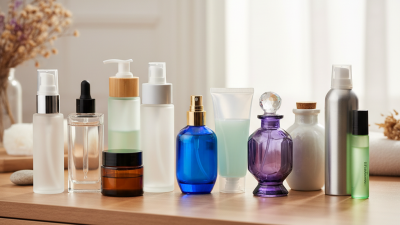
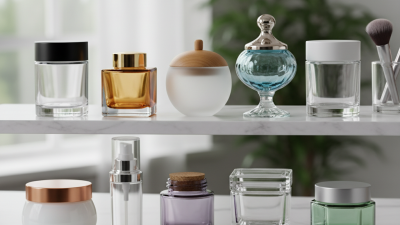
When selecting the ideal Cosmetic Bottles for your business, the choices can be overwhelming. Various styles, materials, and sizes are available, each affecting your brand's image. Your packaging can influence consumer perception. It can dictate whether a product feels luxurious or budget-friendly. Choosing the right Cosmetic Bottles requires careful consideration and insight.
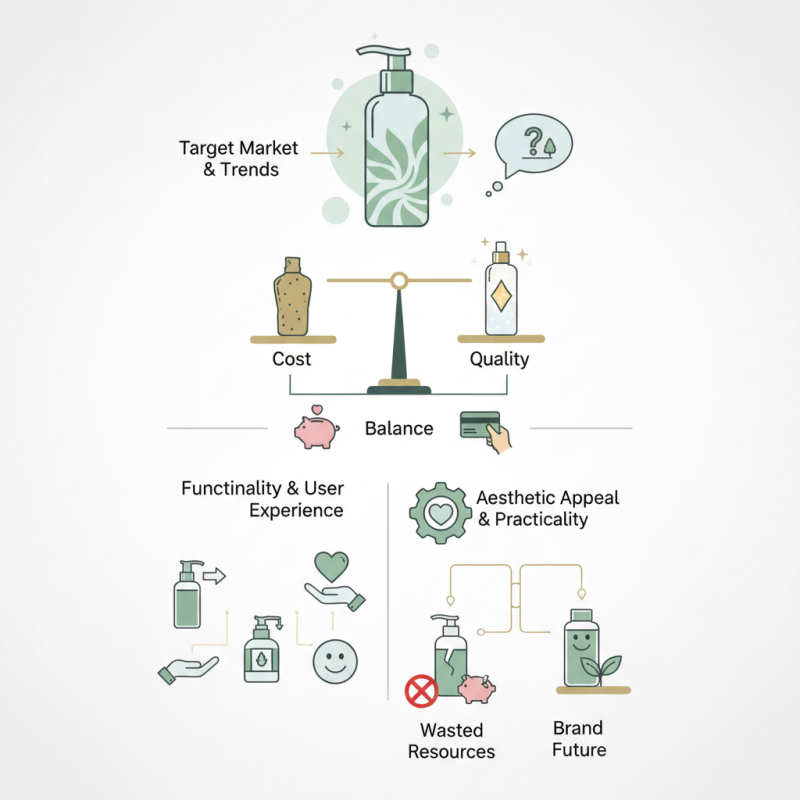
Start by analyzing your target market. Understand their preferences and trends. Are they drawn to eco-friendly materials? Or do they prefer sleek, modern designs? Reflecting on these questions can clarify your choices. Quality matters; using subpar bottles may dilute your brand. Yet, finding a balance between cost and quality is challenging.
Moreover, functionality should never be overlooked. Consider the ease of use and dispensing of your Cosmetic Bottles. Will customers find them user-friendly? Aesthetic appeal and practicality go hand in hand. Mistakes in this area can lead to wasted resources and unhappy customers. Ultimately, thoughtful decisions in choosing Cosmetic Bottles can shape your brand's future.
How Cosmetic Bottle Materials Impact Product Stability and Shelf Life
Choosing the right cosmetic bottle is crucial. The material used can significantly impact product stability and shelf life. For instance, glass bottles offer excellent barrier properties. They protect against moisture and oxygen, which can degrade many formulations. Research shows that products stored in glass typically last longer than those in plastic. However, glass is heavier and can break easily.
Plastic bottles, on the other hand, are lighter and more convenient. However, they can allow some air and moisture permeation. This can lead to premature spoilage. Certain plastics can interact with active ingredients, compromising the product's effectiveness. A study indicates that 30% of formulations in plastic bottles may have reduced potency after six months.
**Tip**: Consider using high-density polyethylene (HDPE) or polypropylene. These materials are less reactive and can help maintain product integrity.
When selecting the material, think about your target market. Premium products may benefit from glass packaging to convey luxury. In contrast, eco-conscious consumers may prefer recycled plastics. Balance aesthetics and functionality. It’s essential for brands to reflect on their packaging choices and the potential shortcomings in preserving product quality.
Impact of Cosmetic Bottle Materials on Product Stability and Shelf Life
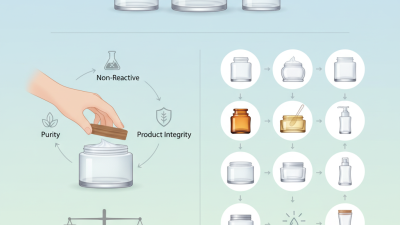
This chart illustrates the average shelf life of different cosmetic bottle materials, highlighting the stability offered by various types of bottles. Glass, known for its durability and inertness, provides the longest shelf life, while different plastics and aluminum offer varying degrees of stability.
Understanding Different Types of Cosmetic Bottles: Glass, Plastic, and Beyond
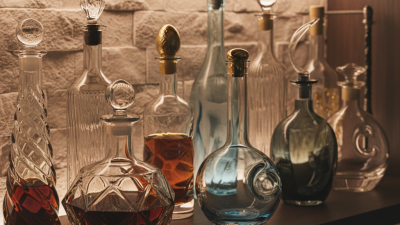
When selecting cosmetic bottles, various materials contribute to functionality and user experience. Glass bottles provide premium aesthetics and could be perceived as more luxurious. According to Allied Market Research, the global glass packaging market is projected to reach $250 billion by 2025, highlighting its ongoing popularity. However, glass is fragile, which could lead to breakage. This is a vital point for businesses targeting active customers.
In contrast, plastic bottles dominate the market due to their lightweight and shatter-resistant properties. The Plastic Industry Association notes that plastic packaging has a market share of 40% in cosmetics. Polyethylene terephthalate (PET) is commonly used for shampoo and lotion bottles. It's recyclable, but the environmental concerns regarding plastic waste warrant careful consideration.
**Tips:** Consider offering refillable options for customers, aligning with sustainability trends. Also, think about incorporating user-friendly features like pumps or droppers for ease of use. Investing in well-designed bottles can enhance user engagement and brand perception. As consumer preferences shift, brands must adapt, weighing both aesthetics and practicality in their packaging choices.
How to Choose the Best Cosmetic Bottles for Your Business? - Understanding Different Types of Cosmetic Bottles: Glass, Plastic, and Beyond
| Type of Bottle |
Material |
Benefits |
Common Uses |
Price Range ($) |
| Glass Bottles |
Borosilicate glass |
High-end appeal, recyclable, preserves product quality |
Perfumes, serums, oils |
1.50 - 5.00 |
| Plastic Bottles |
PET, HDPE |
Lightweight, shatterproof, cost-effective |
Lotions, shampoos, conditioners |
0.20 - 3.00 |
| Airless Pumps |
PP, PET |
Prevents contamination, extends shelf life |
Creams, serums |
1.00 - 4.00 |
| Aluminum Bottles |
Aluminum |
Durable, lightweight, recyclable |
Body sprays, hair mists |
1.50 - 3.50 |
| Eco-friendly Bottles |
Biodegradable materials |
Sustainable, trendy, attracts eco-conscious consumers |
Organic skincare products |
1.00 - 5.00 |
Analyzing Market Trends: Consumer Preferences for Cosmetic Bottle Designs
As consumers become more environmentally conscious, the demand for
sustainable packaging is rising. A recent industry report
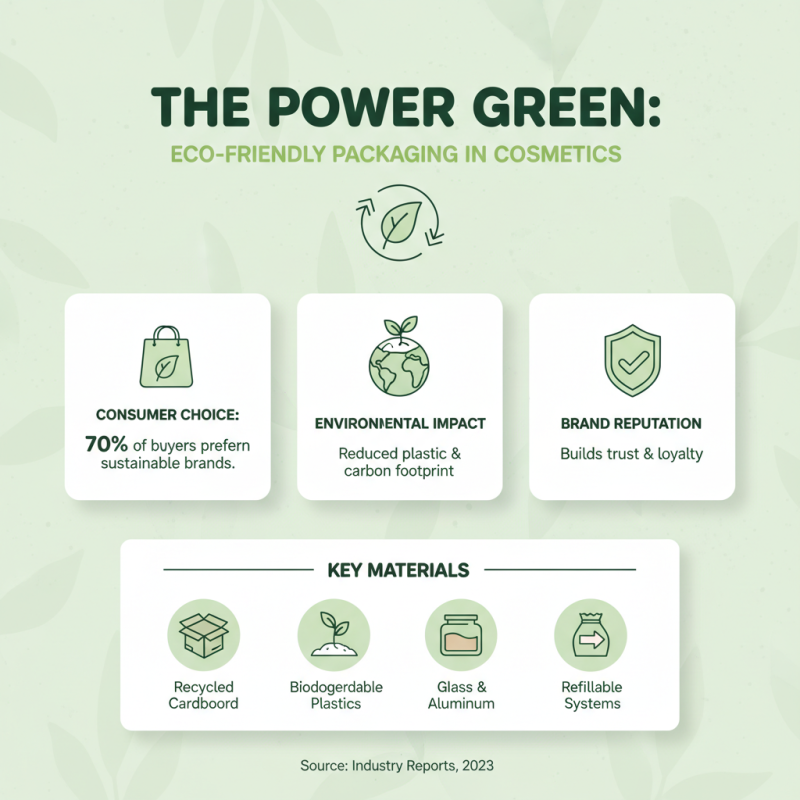
showed that 74% of consumers prefer products in eco-friendly containers. This shift impacts
how businesses choose cosmetic bottles. Many brands are now opting for materials like
recycled plastics and glass.
These choices resonate well with modern values and attract eco-aware consumers.
Additionally, the aesthetic design of cosmetic bottles is crucial. Research indicates that 62% of consumers
are drawn to innovative designs. Sleek shapes and vibrant colors catch the eye on
store shelves. However, not every brand can effectively balance functionality and
style. Bottle designs must also support the product’s preservation.
Flawed designs can lead to decreased product quality and customer dissatisfaction.
Understanding consumer preferences is vital for business success. Studies reveal that
58% of consumers are willing to pay more for visually appealing
packaging. Yet, brands shouldn’t overlook practicality. A focus solely on looks may diminish
usability, confusing customers during application. Striking a balance between beauty and functionality is key in the evolving cosmetic landscape.
Cost vs. Quality: Balancing Budget and Brand Image in Packaging Choices
When deciding on cosmetic bottles, cost versus quality can be challenging. Budget constraints may tempt some to choose cheaper options. However, low-cost bottles can hurt brand perception. A flimsy container can suggest inferior products. Customers often associate quality packaging with quality products. This perception can significantly impact your sales.
Balancing the two is crucial. Investing in high-quality materials creates a positive brand image. Customers notice the difference between cheap and sturdy bottles. They may be more likely to trust your brand if the packaging reflects quality. However, it’s important to evaluate your budget carefully. Overspending on packaging can limit your investment in other critical areas.
Sourcing locally can reduce costs and improve quality. Evaluating suppliers ensures that you find reliable options. Don’t be afraid to ask for samples. Test the packaging with your products before making a bulk order. It’s essential to reflect on how packaging fits into your overall brand narrative. The right choice can enhance your market presence, while the wrong one can undermine your efforts.

 +86 183 6377 3366
 Contact Email