inquiry
Leave Your Message

What Is a Glass Lotion Bottle and Why Choose It?

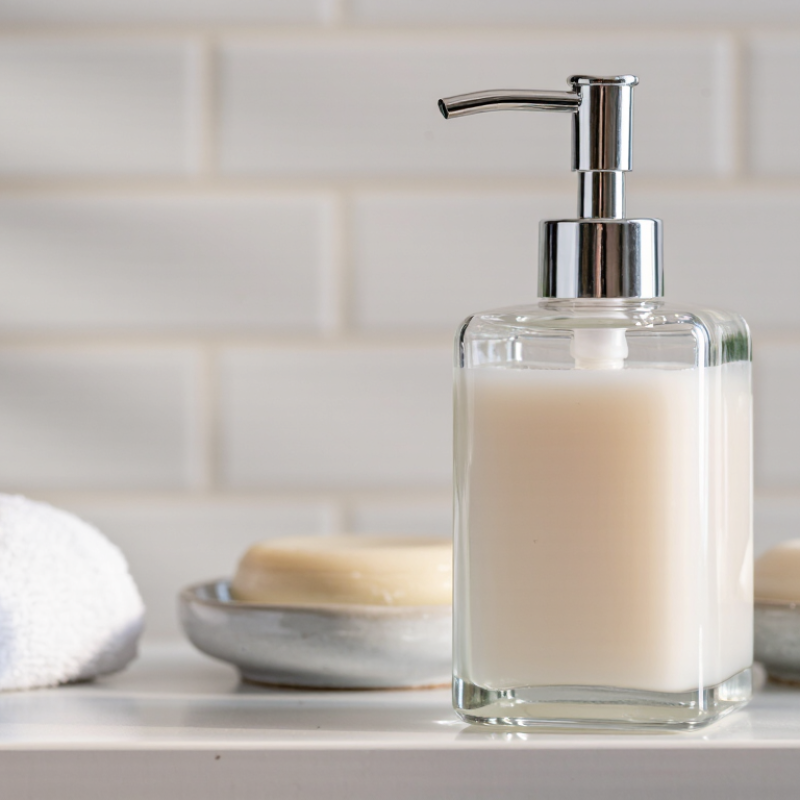
A Glass Lotion Bottle brings a clean, substantial feel to everyday skincare. Its smooth surface makes a bathroom shelf look more refined. The weight also suggests quality before the lotion is applied. More importantly, glass provides a stable container for many formulas. It does not easily absorb oils, fragrances, or colorful ingredients. This helps preserve the product’s original character during regular use. However, packaging performance depends on the complete design, not the material alone.

In practical testing, a well-made Glass Lotion Bottle should feel balanced in one hand. Its pump should release a measured amount without dripping around the collar. A tight closure can also reduce exposure to air, dust, and moisture. These details matter when customers use lotion every morning. Glass is widely valued for its durability, recyclability, and premium appearance. Yet it is heavier than plastic and may break if dropped on a hard floor. That weakness deserves honest attention.

A better choice?

The right bottle depends on the formula, filling process, shipping route, and user habits. Manufacturers should check chemical compatibility, pump quality, seal performance, and surface finish before production. Brands should also consider protective packaging to reduce damage during transport. A beautiful container is not automatically a responsible one. When selected carefully, glass can support product protection, brand trust, and a more thoughtful customer experience. This article examines what a Glass Lotion Bottle is, how it works, and why it may suit modern skincare packaging.
What Is a Glass Lotion Bottle and Why Choose It?

What Is a Glass Lotion Bottle?

A glass lotion bottle is a rigid container designed to hold creams, lotions, and other personal-care formulas. It usually includes a glass body, a threaded neck, and a pump or disc cap. The bottle may be clear, amber, frosted, or colored. Each finish changes visibility, light protection, and cleaning requirements. During filling, teams should check the bottle’s wall thickness, neck size, pump fit, and resistance to thermal shock. A beautiful bottle can still leak if its closure is poorly matched.

Glass offers strong chemical stability and a premium hand feel. It does not easily absorb oils, fragrances, or active ingredients. The European Container Glass Federation states that glass can be recycled repeatedly without losing its basic quality. However, recycling performance depends on local collection and processing systems. The U.S. Environmental Protection Agency reported a 31.3% recycling rate for glass containers in its 2018 materials data. That figure deserves attention. “Recyclable” does not always mean “recycled.”

Tips: Choose a bottle with a compatible pump. Test it with the actual lotion. Check dispensing after heat, cold, and repeated use. A heavier bottle may feel more durable, but it also increases shipping weight and breakage risk. Grand View Research identifies growing demand for sustainable packaging, yet sustainability claims should include transport, production, and end-of-life conditions. Glass is reliable, but not perfect.
What Is a Glass Lotion Bottle and Why Choose It?

Glass packaging achieved a 75.1% recycling rate in the European Union in 2022, higher than plastic packaging at 40.7%. Glass is also impermeable, chemically stable, and can be recycled repeatedly without losing its quality, making it a suitable choice for lotions and other personal-care products.

Data source: Eurostat, Packaging waste by waste management operations, 2022. Recycling rates are EU-wide averages and are not specific to any company or brand.

How Are Glass Lotion Bottles Designed and Manufactured?

A glass lotion bottle combines product protection with a deliberate user experience. Its shape depends on lotion viscosity, daily dose, closure type, and hand comfort. Designers usually create a thick shoulder, stable base, and smooth neck for dependable dispensing. A narrow opening helps control flow, while a pump can reduce contact with the remaining lotion. Small details matter.

Manufacturing begins with a verified glass formula, often using silica, soda ash, limestone, and recycled glass. Raw materials are melted at high temperature, then formed inside precision molds. After forming, each bottle passes through annealing, which gradually reduces internal stress. Surface treatments may improve scratch resistance, labeling, or color consistency. Neck dimensions receive close attention. An uneven thread can cause leaks or a poorly seated pump. Manufacturers should match the closure during development, not after production.

Quality checks include weight, wall thickness, dimensions, leakage, drop resistance, and pump performance. Sampling alone can miss rare defects, so critical processes need documented controls and regular inspection. Engineers also test filled bottles under transport conditions, including vibration and temperature changes. Glass is recyclable, but its weight can increase shipping emissions. That trade-off deserves honest review. A lighter bottle may save energy, yet excessive thinning can weaken handling safety. The best design balances durability, dispensing accuracy, appearance, and real manufacturing limits.

What Is a Glass Lotion Bottle and Why Choose It? - How Are Glass Lotion Bottles Designed and Manufactured?

Category Design or Manufacturing Dimension Typical Data or Specification Why It Matters for Lotion Packaging
Material Primary glass type Soda-lime-silicate glass is the most common choice for cosmetic and personal-care bottles. It provides chemical stability, transparency, and a smooth surface suitable for premium lotion packaging.
Material Glass density Approximately 2.4–2.6 g/cm³ for common soda-lime glass. The relatively high density gives the bottle a substantial, stable feel but also increases shipping weight.
Capacity Common nominal fill volumes 30 mL, 50 mL, 100 mL, 150 mL, and 200 mL are widely used sizes. The selected volume should match the intended usage period, dosage, shelf presentation, and transport requirements.
Dimensions Typical bottle geometry Usually cylindrical, oval, or rectangular, with a wide base and a controlled shoulder transition. A stable base reduces tipping, while the shoulder and neck must support efficient filling and dispensing.
Wall Design Wall thickness Common cosmetic glass bottles often use approximately 2–5 mm walls, depending on size and shape. Adequate thickness improves strength and appearance, while excessive thickness adds unnecessary weight and cost.
Neck Finish Closure compatibility Common options include screw finishes, crimp finishes, and pump-compatible neck finishes. The neck must match the pump or dispenser dimensions to prevent leakage and ensure consistent dosing.
Dispensing Pump dosage Many lotion pumps deliver approximately 0.2–1.5 mL per full stroke, depending on the pump design. The output should suit the lotion viscosity and intended application quantity.
Chemical Performance Product compatibility Glass is generally resistant to water, oils, many emulsions, and a wide range of cosmetic ingredients. It helps reduce the risk of container interaction, odor transfer, and ingredient permeation; compatibility testing is still required.
Light Protection Glass color Clear glass offers visibility; amber, green, or coated glass provides greater light shielding. The color should be selected according to the formula’s sensitivity to ultraviolet or visible light.
Design Development Prototype and mold design The design is converted into technical drawings, a 3D model, and a forming mold with controlled tolerances. Proper mold design supports uniform glass distribution, dimensional consistency, and reliable filling-line performance.
Raw Materials Batch composition The batch commonly contains silica sand, soda ash, limestone, cullet, and carefully controlled additives. Consistent raw-material quality helps control color, strength, chemical performance, and melting efficiency.
Melting Melting temperature Glass batch materials are typically melted at approximately 1,400–1,600 °C in an industrial furnace. Complete melting and homogenization help minimize bubbles, stones, streaks, and color variation.
Forming Bottle-forming process Molten glass is cut into gobs and shaped in molds using press-and-blow or blow-and-blow forming. The forming method determines the bottle’s shape, neck finish, wall distribution, and production speed.
Annealing Stress relief Bottles pass through an annealing lehr, commonly operating within a controlled range near 500–600 °C before gradual cooling. Controlled cooling reduces internal stress and improves resistance to thermal and mechanical shock.
Surface Treatment Coating and decoration Options include frosting, spray coating, printing, labeling, and heat-transfer decoration. Surface treatments improve appearance, identification, grip, and visual differentiation.
Quality Control Inspection points Typical checks include dimensions, weight, wall distribution, neck finish, appearance, leakage, and thermal-shock resistance. Inspection helps verify that bottles are safe, functional, visually consistent, and compatible with filling equipment.
Sustainability Recyclability and recycled content Glass can be recycled repeatedly without losing its basic material properties; actual recycling depends on local collection and processing systems. Recyclability can support circular packaging goals, while lighter designs and efficient transport help reduce overall environmental impact.

Note: The values shown are typical industry ranges or general technical guidance. Final specifications should be confirmed through product compatibility, packaging performance, and regulatory testing.

What Benefits Does Glass Offer for Lotion Packaging?

A glass lotion bottle is a container made from durable glass for storing skincare lotions, creams, and body moisturizers. Its main advantage is material stability. Glass usually has low chemical reactivity, so it is less likely to affect a carefully developed lotion. It also creates a solid barrier against moisture, odors, and outside contamination when properly sealed.

Glass offers a clean, premium appearance, but its value is more than visual. Clear glass lets users see the lotion level, while amber or opaque glass can help reduce light exposure. This matters for formulas containing light-sensitive oils or botanical ingredients. Glass is also widely recyclable and can support a more circular packaging plan. However, it is heavier than plastic and may break if dropped. That weakness should not be ignored. In practical filling and transport tests, bottle weight, pump fit, and protective packing can affect the final user experience. Glass is not perfect.

Tips: Choose a bottle with a secure pump or disc cap to limit air contact and mess. Test the closure with the actual lotion, not water alone. Check whether the formula needs light protection. A thick glass base may improve stability, but it can increase shipping weight. Consider refill systems carefully, since reuse requires easy cleaning and reliable sanitation. Small details matter.

What Types of Glass Lotion Bottles and Pumps Are Available?

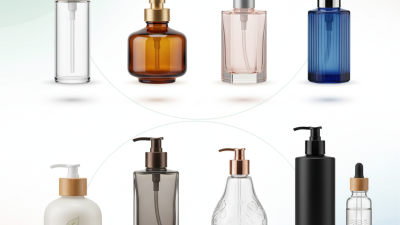
Glass lotion bottles come in several practical formats. The most common is the round shoulder bottle, which suits daily body lotion and offers a comfortable grip. Square and rectangular bottles create a stable, modern appearance. Slim cylindrical bottles save shelf space, while frosted glass softens light and hides minor formula changes. Amber or cobalt glass can help protect light-sensitive ingredients, but color alone cannot replace stability testing.

Pump choices also vary. A standard lotion pump works well with medium-viscosity creams and usually delivers 1–2 milliliters per stroke. Airless pumps reduce formula exposure to air and help limit product waste near the bottom. They are useful for sensitive formulations, although they often cost more and may require stricter filling controls. Treatment pumps provide smaller doses for concentrated lotions. Lockable pumps can also reduce accidental dispensing during shipping.

According to Grand View Research’s 2024 cosmetic packaging report, the global cosmetic packaging market was valued at about 29.4 billion dollars in 2023. Packaging functionality remains a major purchase factor.

FEVE’s European glass packaging data reports collection rates above 75 percent in several mature markets, supporting glass’s recycling advantage.

Yet glass is heavier than plastic and can break during handling. That weakness matters. In practical testing, pump compatibility, neck size, spring materials, and formula viscosity must be checked together. No pump is perfect. A visually attractive bottle can still deliver uneven doses or leave residue inside.

How Should Glass Lotion Bottles Be Used, Cleaned, and Recycled?

A glass lotion bottle protects formulas from oxygen, light, and repeated handling. Its weight also makes it feel stable beside a sink. Use clean, dry hands before pressing the pump. This limits bacteria, dust, and water entering the bottle. Do not add water to thin leftover lotion. That shortcut can change the preservative balance. One practical mistake is storing the bottle on a wet shower ledge. Moisture can corrode metal springs and encourage residue around the dispenser.

Clean the outside with a soft cloth and mild soap. Avoid boiling water, sudden temperature changes, and abrasive pads. They may create invisible stress or scratches. When the lotion is finished, remove the pump if possible. Empty the remaining product into household waste according to local guidance. Rinse the glass until no oily film remains, then let it dry fully. A damp bottle can contaminate a recycling load. Recycling rules differ by location, so check the municipal program before placing it in a collection bin.

The U.S. Environmental Protection Agency reported a 31.3% recycling rate for glass containers in its 2018 Facts and Figures report. European container-glass industry data reported an 80% collection rate in 2022. Collection is not the same as successful reprocessing. That distinction matters. Glass is widely recyclable, but ceramic pieces, mirrors, pumps, and plastic caps can disrupt sorting. Keep them separate. Reuse may seem greener, yet repeated washing consumes water and energy. I would reuse a sound bottle for dry items, not personal-care liquids, unless sanitation is reliable.