Top Tips for Choosing the Best Cosmetic Bottles for Packaging?
Choosing the right packaging for cosmetic products is crucial. Cosmetic bottles not only protect the contents but also communicate brand identity. The right choice can enhance customer experience and foster brand loyalty.
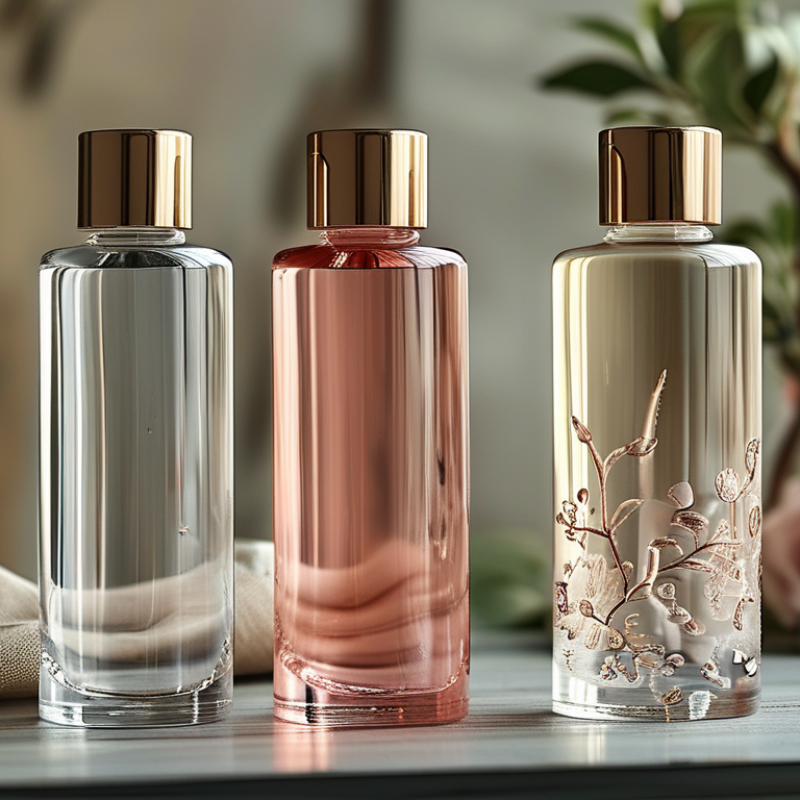
Consider the material of cosmetic bottles. Glass, plastic, and metal each have unique benefits and drawbacks. For example, glass offers a premium feel but may be heavier. Plastic is lightweight and versatile but can lack the same aesthetic appeal.
Design is equally important. The shape and closure of cosmetic bottles can influence usability. An overly complicated design may frustrate users. Striking a balance between functionality and elegant design is key. Reflect on personal experiences—did the packaging enhance your product use or hinder it? This may guide your decisions in selecting the best cosmetic bottles for your brand.
Understanding the Different Types of Cosmetic Bottles Available
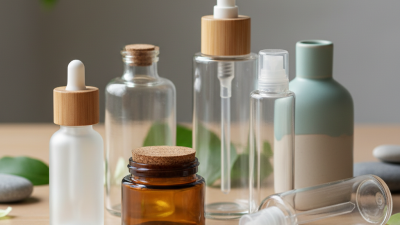
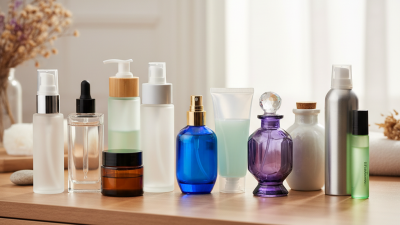
When choosing cosmetic bottles, understanding the different types available is crucial. Each type serves a specific purpose, influencing both functionality and aesthetics. For example, pump bottles are excellent for liquid products like lotions, providing controlled dispensing. Meanwhile, squeeze bottles work well for thicker products, ensuring minimal waste. Glass bottles offer a luxurious feel but can be heavier and breakable.
Consider the material of the container. Plastic is lightweight and shatter-resistant, making it a popular choice. Yet, opinions vary on its environmental impact. Glass, while more eco-friendly, is not as convenient. The cap style is equally important. A screw cap provides a secure seal, while a spray cap allows for even distribution. Each option has its pros and cons, leading to different user experiences.
When selecting your packaging, keep your target audience in mind. Some customers prefer minimalistic designs, while others seek vibrant colors and patterns. Don’t overlook the importance of labeling. Clear, attractive labels convey professionalism and attract customers. Test different designs and materials to reflect your brand's identity. Making mistakes is part of the process. Reflect on customer feedback to refine your choices continually.
Key Factors to Consider for Selecting Cosmetic Packaging Materials
Choosing the right cosmetic packaging materials is crucial. Durability is essential. According to recent market analysis, strong plastics account for 65% of the cosmetic packaging market. These materials protect products from contamination and damage. Not all plastics are equal, though. Selecting high-quality, recyclable options can enhance your brand's sustainability efforts.
Aesthetic appeal plays a vital role too. Consumers are drawn to unique shapes and colors. Studies show that 73% of consumers base their purchasing decisions on packaging design. Eye-catching bottles can boost sales significantly. However, the trend can shift quickly. What’s trendy today may be outdated tomorrow, impacting your packaging choice.
Cost should not be overlooked. Over 45% of brands face budget constraints in packaging. Balancing quality with affordability is challenging. Some brands opt for cheaper materials, which can harm their reputation. It’s important to invest in reliable packaging that reflects your product's value. Evaluate suppliers thoroughly to ensure they meet industry standards.
Top Tips for Choosing the Best Cosmetic Bottles for Packaging
| Factor |
Description |
Examples |
| Material |
Consider durability, recyclability, and interaction with contents. |
Glass, PET, HDPE |
| Size |
Select appropriately based on product usage frequency and target market. |
15ml, 50ml, 100ml |
| Closure Type |
Evaluate ease of use and security of contents during transportation. |
Screw caps, pumps, droppers |
| Design |
Should reflect brand identity and appeal to target customers. |
Modern, vintage, minimalist |
| Cost |
Balance quality with budget constraints while ensuring product integrity. |
Bulk orders, custom molds |
| Sustainability |
Opt for eco-friendly materials and processes to appeal to conscious consumers. |
Biodegradable plastics, recycled glass |
Assessing the Compatibility of Bottles with Cosmetic Formulations
When selecting cosmetic bottles, understanding compatibility with formulations is crucial. Cosmetic ingredients can be sensitive to certain materials. For instance, products containing acidic components may react with some plastics, causing degradation. A study by Grand View Research highlighted that the global cosmetic packaging market is projected to reach $48.2 billion by 2025, emphasizing the importance of careful material selection.
Plastic bottles, often preferred for their lightweight nature, can leach substances into products under certain conditions. Polyethylene terephthalate (PET) is a common choice for its good barrier properties. However, brands must be aware of its limitations. Research indicates that formulations with high alcohol content may compromise PET’s integrity, leading to potential contamination. Moreover, airtight closures are essential to prolong product shelf life. Studies suggest that inadequate sealing can lead to oxidation and reduced efficacy.
Glass bottles are appreciated for their aesthetic appeal and inertness. Still, they come with challenges. They're heavier, which can affect shipping costs. Consumers may prefer lighter packaging. Balancing visual appeal with practicality poses ongoing questions. Selecting the right bottle requires a nuanced approach that considers both formulations and consumer preferences.
Design Elements that Enhance Cosmetic Bottle Functionality and Appeal
Choosing the right design elements for cosmetic bottles is crucial. Functionality and aesthetic appeal go hand in hand. Think about the usability of the bottle. Does it allow for easy dispensing? Consider pumps, droppers, or spray mechanisms. These elements enhance user experience, making the application smoother and mess-free.
Material selection also plays an important role. Glass bottles often convey luxury, while plastic options can be more practical. Each material offers different tactile sensations. Consider how the consumer will feel when holding the bottle. Are its edges smooth? Is it comfortable to grip? These details can make a lasting impression.
Labeling is another key aspect that deserves attention. The font should be easily readable, but also stylish. Color schemes must resonate with the product’s message. Mistakes in this area can lead to miscommunication. Ensure the design reflects the brand's identity, yet it's essential to avoid overwhelming consumers with information. A clean, minimalist approach often works best. Be mindful of these aspects to make your packaging not just functional but also visually appealing.
Sustainability in Cosmetic Packaging: Eco-Friendly Options to Consider
Sustainability is crucial in today’s cosmetic packaging industry. A recent report by Grand View Research highlights that the global eco-friendly packaging market is expected to reach $400 billion by 2027. This shift reflects a growing preference for sustainable materials among consumers. Brands are increasingly seeking alternatives to traditional plastic. Eco-friendly options include bioplastics, recycled materials, and glass.
Choosing the right packaging is essential for success. Here are some tips: Look for suppliers who prioritize sustainability. Research their materials and production methods. Explore biodegradable options that reduce waste. Consider using airless bottles that decrease product spoilage. Many consumers associate these practices with quality and brand integrity.
It’s worth noting challenges exist. Not all sustainable packaging options are cost-effective. Some bioplastics may not biodegrade as quickly as claimed. Brands must remain transparent about their choices to build trust. An investment in eco-friendly materials can yield long-term benefits, while engaging consumers seeking ethical alternatives.

 +86 183 6377 3366
 Contact Email