+86 183 6377 3366


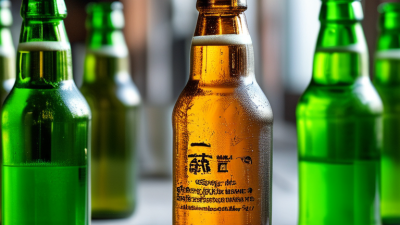
China has become a major source of glass packaging for breweries worldwide. This guide examines China’s top green beer bottle suppliers through practical sourcing criteria, not promotional claims. It focuses on manufacturers with visible production experience, consistent glass quality, and export capability.
The review considers bottle capacity, glass color, neck finishes, closure compatibility, and customization options. These details affect filling lines, shelf presentation, and breakage rates. A reliable supplier should provide factory evidence, product samples, inspection records, and clear communication about lead times. Certifications and food-contact documentation also deserve careful checking. They should never be assumed.
Some suppliers may offer 330 ml, 500 ml, or custom Green Beer Bottles with embossed logos. Others may support recycled glass content, palletized shipping, and protective carton designs. Factory scale can look impressive, but scale alone does not guarantee stable quality. Sample testing remains essential. Even small differences in neck dimensions can cause problems during capping.
This overview aims to help importers, craft breweries, and beverage brands compare suppliers more confidently. It combines industry knowledge with practical purchasing considerations. However, supplier information can change, and online descriptions may be incomplete. That is an uncomfortable limitation. Buyers should confirm current certifications, production capacity, pricing, and shipping terms directly before placing orders. A careful comparison can reduce hidden costs and support a more dependable bottle supply chain.
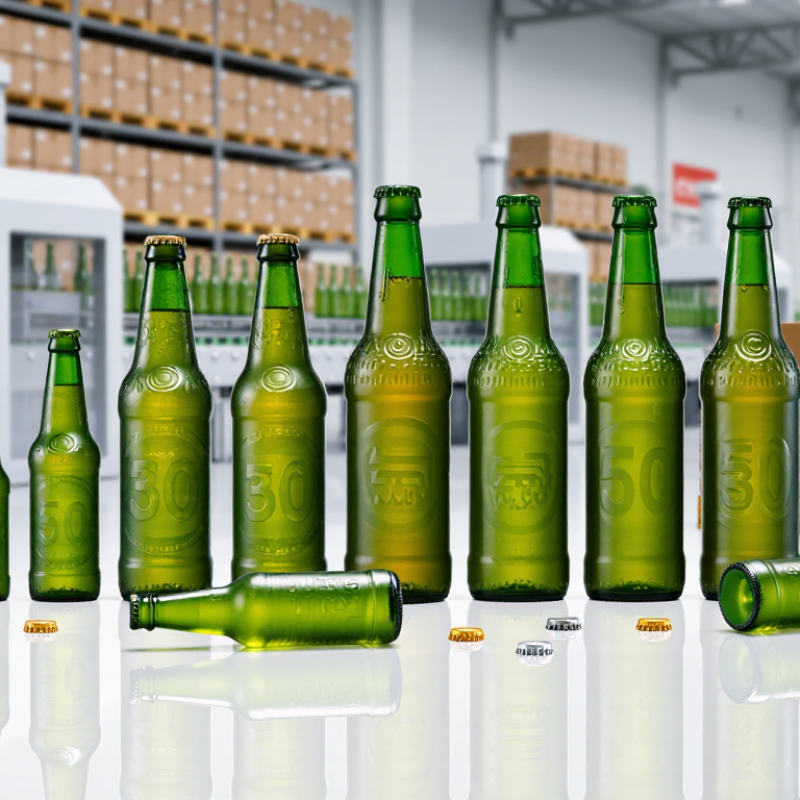
A leading green beer bottle supplier in China is defined by more than attractive pricing. In my experience reviewing glass packaging, reliable suppliers control color, weight, wall thickness, and bottle strength during every production run. Green glass should look consistent under warehouse lighting. Small color shifts can weaken a brewer’s visual identity. Details matter.
Material sourcing is equally important. Strong suppliers use verified recycled glass, carefully sorted by color and composition. They also monitor furnace temperature and energy consumption. These practices can reduce waste and improve melting efficiency. However, “green” should not remain a marketing phrase. Suppliers should provide test records, recycled-content data, and clear production traceability. That evidence builds professional trust.
Quality systems reveal a supplier’s real capability. Look for dimensional inspections, pressure testing, thermal shock testing, and documented sampling procedures. Experienced factories should support pilot orders before large production. They should also communicate openly about defects, mold changes, delivery risks, and corrective actions. No supplier is perfect. A factory that hides problems is less reliable than one that reports them early. Export experience, trained technicians, and compliance with applicable food-contact and packaging standards also matter. Site audits and independent test reports can confirm these claims. A careful buyer should compare samples from several suppliers, not judge performance from photographs alone.
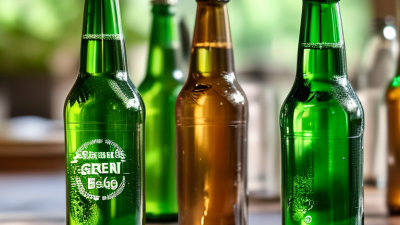
A strong green beer bottle supplier is typically evaluated across product quality, recycled-glass usage, delivery reliability, regulatory compliance, and customization capability. The chart presents a practical procurement-weighting model for comparing suppliers without using company or brand data.
The percentages represent recommended evaluation weights rather than the performance of any specific supplier. Quality and sustainability receive the highest priority because they directly affect bottle safety, environmental impact, and product positioning.
China’s top 10 green beer bottle suppliers are selected through a transparent, evidence-based process. The ranking begins with factory experience, production capacity, and verified quality systems. We review operating history, furnace output, mold capabilities, and monthly delivery records. Supplier claims alone are not enough.
Product quality receives the strongest attention. Samples are checked for glass color, wall thickness, bottle weight, neck finish, and pressure resistance. Inspectors also examine chips, bubbles, scratches, and dimensional accuracy. Green glass should show consistent shading under natural light. Small differences can affect filling-line performance. We record test results from multiple batches, not one attractive sample.
Reliability also shapes the ranking. We assess lead times, packaging methods, container loading, complaint handling, and export documentation. Suppliers with stable raw-material control receive higher scores. Environmental performance matters too, including recycled glass use, energy management, and waste treatment. Independent inspections and customer references support the final evaluation. No ranking is perfect. A factory may perform well during an audit but struggle during peak season. That weakness must remain visible. Scores are therefore weighted across quality, consistency, service, compliance, and total supply risk. The final ten represent balanced performance, not simply the lowest quotation.
China’s top 10 green beer bottle suppliers are best assessed through production experience, glass quality, and export reliability. This profile list focuses on manufacturers with large-scale furnaces, automated inspection, and food-contact production controls. Ranking remains relative, because pricing, capacity, and delivery performance can change by season.
A northern supplier is known for heavy-duty bottles suited to long-distance shipping. An eastern manufacturer offers lightweight designs with accurate neck finishes. A central producer focuses on high-volume standard bottles and stable furnace output. Another supplier provides custom embossing and color matching for beverage packaging. A coastal factory combines mold development with flexible order quantities. One glassworks emphasizes recycled cullet use and lower melting demand. A western supplier serves growing regional breweries with practical bottle shapes. Another company maintains strict dimensional testing for crown-cap compatibility. A specialized producer supports small-batch trials, although its lead times may fluctuate. The tenth profile represents a broad-capacity manufacturer with strong logistics coordination and inspection records.
Useful evidence includes batch reports, migration testing, wall-thickness measurements, and documented quality systems. Buyers should also check pallet strength, closure fit, and breakage rates under real transport conditions. Green glass can protect beer from light, but it does not remove every storage risk. Supplier claims need verification. Even experienced factories may show uneven performance during furnace maintenance or mold replacement. This is where factory audits, sample approvals, and written specifications become essential. A polished catalog is not enough. Reliable sourcing depends on repeatable results, transparent communication, and careful review of small defects.
Anonymous comparative profiles of common manufacturing capabilities, bottle formats, and export-service features in China’s green beer bottle sector.
| Profile | Main Manufacturing Region | Typical Bottle Formats | Common Capacities | Green Glass Options | Neck and Closure Compatibility | Decoration Capability | Quality and Testing Focus | Export-Service Profile |
|---|---|---|---|---|---|---|---|---|
| Supplier Profile 01 | Shandong | Standard beer bottles and returnable bottles | 330 ml, 500 ml, 640 ml | Light green, emerald green, antique green | Crown finish; common pry-off and twist-off formats | Screen printing, ceramic decoration, paper labels | Dimensional inspection, thermal-shock testing, internal-pressure testing | Container-load planning and export carton or pallet packing |
| Supplier Profile 02 | Jiangsu | Lightweight beer bottles and custom silhouettes | 250 ml, 330 ml, 500 ml | Light green and standard green glass | Crown finish and selected screw-cap neck finishes | Embossing, applied ceramic labels, adhesive labeling | Weight control, wall-thickness checks, annealing verification | Prototype approval and mixed-size container loading |
| Supplier Profile 03 | Zhejiang | Craft beer, specialty beer, and embossed bottles | 330 ml, 355 ml, 500 ml, 750 ml | Antique green and custom transparent-green tones | Crown finish; champagne-style and specialty necks by project | Deep embossing, screen printing, metallic label application | Color consistency, logo alignment, surface-defect inspection | Small-to-medium custom runs and export documentation support |
| Supplier Profile 04 | Hebei | High-volume standard beer bottles | 330 ml, 500 ml, 640 ml, 650 ml | Standard green and dark green glass | Common crown finishes for automated filling lines | Paper labels and basic screen printing | Automated dimensional control, pressure testing, annealing control | Bulk production scheduling and full-container shipments |
| Supplier Profile 05 | Henan | Returnable and one-way beer bottles | 330 ml, 500 ml, 600 ml, 640 ml | Light green, olive green, antique green | Crown finish with standard beverage neck dimensions | Label-ready surfaces and basic embossing | Impact resistance, vertical-load testing, dimensional checks | Palletized export packing and batch traceability |
| Supplier Profile 06 | Anhui | Lightweight bottles and recycled-glass formats | 250 ml, 330 ml, 500 ml | Light green and recycled-content green glass | Crown finish; custom neck dimensions subject to tooling | Embossing and standard label application | Glass-color sorting, lightweight-wall inspection, thermal-shock testing | Sustainability data support and standard export packing |
| Supplier Profile 07 | Sichuan | Regional beer bottles and custom small-batch bottles | 330 ml, 500 ml, 620 ml | Standard green and dark antique green | Crown finish; selected specialty finishes available | Embossing, screen printing, paper and shrink-sleeve labels | Visual inspection, pressure resistance, dimensional verification | Domestic-to-export order coordination and sample approval |
| Supplier Profile 08 | Guangdong | Premium, promotional, and custom-shaped bottles | 275 ml, 330 ml, 355 ml, 500 ml, 750 ml | Light green, emerald green, and antique green | Crown, screw-cap, and specialty closures by specification | High-relief embossing, screen printing, ceramic decoration | Appearance grading, dimensional checks, closure-fit testing | OEM development, tooling coordination, export consolidation |
| Supplier Profile 09 | Hubei | Standard green bottles for automated filling systems | 330 ml, 500 ml, 640 ml | Uniform light green and standard green glass | Crown finish for conventional beer filling equipment | Paper labels, pressure-sensitive labels, simple embossing | Neck-finish measurement, pressure testing, thermal-shock testing | Container-load optimization and inspection documentation |
| Supplier Profile 10 | Chongqing | Custom regional beer and specialty-packaging bottles | 330 ml, 500 ml, 600 ml, 750 ml | Olive green, antique green, and dark green | Crown finish; specialty necks available for approved designs | Embossing, screen printing, ceramic labels, paper labels | Bottle-weight control, visual inspection, internal-pressure testing | Custom sampling, export packing, and shipment coordination |
Green beer bottles remain popular because they protect beer from light and create a familiar shelf appearance. When comparing the top ten suppliers, buyers should examine bottle types, glass thickness, neck finishes, and returnable or one-way designs. Standard 330 ml, 500 ml, and 650 ml capacities cover most retail needs. Larger formats may suit restaurants, but they increase transport weight. Small details matter.
Quality should be checked through sample testing, not photographs alone. Inspect the bottle mouth, base stability, color consistency, and resistance to pressure changes. Food-contact documentation and production inspection records also support reliable purchasing decisions.
In my experience, a lower price can hide uneven dimensions or higher breakage rates. That lesson is easy to forget. Suppliers with flexible mould development can create embossed logos, custom colors, special shoulders, or unique base patterns. However, customization usually increases tooling costs and extends delivery time.
Tips: Request samples from several suppliers. Measure height, weight, mouth diameter, and internal volume. Ask for a clear tolerance range. Confirm pallet size, packing materials, minimum order quantity, and replacement terms. Green glass is not automatically equal in quality. Recycled content may also affect color and strength, so suppliers should explain their control process. Buyers should compare total delivered cost, not only the factory quotation. I would also test filled bottles under real storage conditions, because laboratory results may not reflect rough handling or long-distance shipping.
Choosing a Chinese green beer bottle supplier requires more than comparing prices. Start with the glass itself. Ask for recycled-content percentages, bottle weight, color consistency, and wall-thickness measurements. A reliable supplier should provide recent test reports for pressure resistance, thermal shock, and food-contact safety.
Request physical samples before approving production. Check the finish around the mouth, the base stability, and tiny surface marks under bright light. Also inspect carton strength and pallet wrapping. These details affect breakage during ocean transport. Factory verification matters too. Review production equipment, quality-control records, furnace capacity, and inspection procedures. A video call helps, but an independent factory audit offers stronger evidence.
Commercial terms deserve equal attention. Confirm minimum order quantities, mold ownership, tooling charges, payment stages, and replacement policies for defective bottles. Ask for a realistic production schedule, not a perfect promise. Sustainability claims can be vague. Require measurable data, such as recycled glass usage, energy-saving equipment, waste handling, and shipment packaging reductions. A supplier with export experience should explain customs documents and loading methods clearly.
Communication is a practical test. Send a drawing with exact neck dimensions and tolerance requirements. Notice whether the supplier asks useful questions. Silence is a warning. I have seen attractive samples hide inconsistent measurements, so repeated inspections are necessary. No supplier is flawless, and my own early evaluations have sometimes focused too heavily on price. A balanced scorecard prevents that mistake.