Why Choose Beverage Bottles for Your Business Needs?
Beverage bottles have become essential in various industries. They offer convenience and practicality for businesses that prioritize customer satisfaction. Choosing the right beverage bottles can enhance your brand image and improve the customer experience.
The versatility of beverage bottles is notable. They come in different sizes, materials, and designs. A well-chosen bottle can attract attention and strengthen brand loyalty. However, selecting the right option isn't without challenges. You'll need to consider sustainability, cost, and functionality.
Navigating these choices can be overwhelming. A business must balance quality with affordability. It’s crucial to reflect on the needs of your target audience. Beverage bottles can be an investment that yields excellent returns when chosen wisely.
Benefits of Using Beverage Bottles in Business Operations
Beverage bottles play a vital role in modern business operations. They offer convenience and portability, allowing businesses to enhance customer satisfaction. High-quality bottles effectively preserve freshness and flavor, which is especially crucial in food and beverage sectors. This reliability helps build trust with customers.
Using beverage bottles can also reduce waste and promote sustainability. By opting for reusable options, businesses contribute to environmental efforts. However, it's essential to carefully choose materials that are safe and durable. The industry often faces challenges regarding recycling and proper disposal. This requires constant evaluation and adaptation of practices.
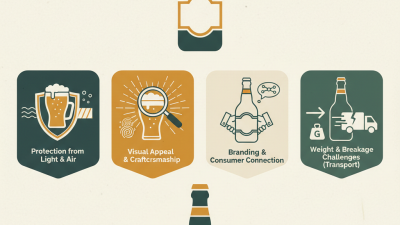
Incorporating beverage bottles can elevate brand identity. Custom designs or labels can attract customers and create a memorable experience. Yet, businesses must reflect on their approach to branding. Are the designs truly resonating with the audience? Continuous feedback is necessary to ensure effectiveness. Balancing aesthetics and functionality remains a key consideration in this process.
Types of Beverage Bottles Suitable for Different Industries
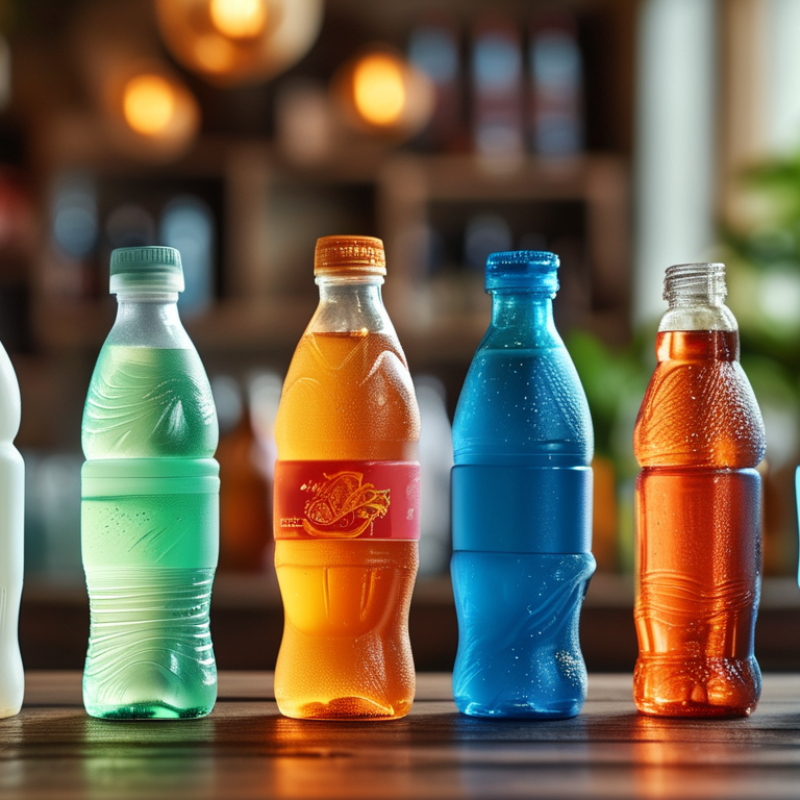
Beverage bottles are essential across many industries. They come in various shapes and sizes. Each design fits specific needs. For instance, sports drinks benefit from durable, lightweight plastic bottles. These bottles are easy to carry during physical activities. Brands can also customize graphics and colors to attract customers.
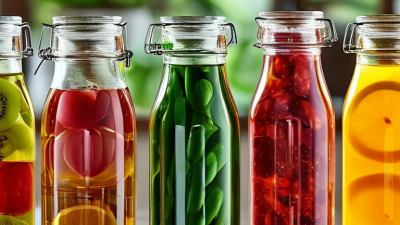
In the food service industry, glass bottles have unique advantages. They are often preferred for juices and smoothies. Glass maintains freshness and allows for upscale presentations. However, they can be heavier and more fragile. Businesses must consider storage and transportation challenges.
Eco-friendly options are increasingly popular. Biodegradable bottles can align with sustainability goals. These bottles appeal to environmentally conscious consumers. However, the trade-offs often include cost and availability. Exploring diverse types of beverage bottles helps businesses meet consumer demands. Choices should reflect customer preferences and operational capabilities.
Factors to Consider When Choosing Beverage Bottles for Your Brand
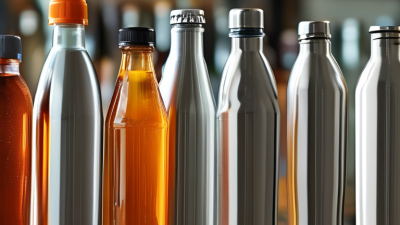
Choosing the right beverage bottles is essential for any brand. One key factor is material. Glass, plastic, and aluminum each have unique benefits. Glass offers premium feel, but it's heavy. Plastic is lightweight but can raise environmental concerns. Aluminum is recyclable, which is a plus. Think about your audience's preferences.
Another factor to consider is bottle shape. A unique design can attract customers. Curved shapes or textured surfaces can enhance grip and aesthetic appeal. Don't underestimate the power of color. Bright, vibrant colors catch the eye. However, remember that trendy designs can become outdated quickly.
Finally, practicality matters. Consider the size and capacity of your bottles. Smaller bottles might cater to on-the-go consumers, while larger ones are ideal for sharing. It’s crucial to balance functionality and style. Reflect on these aspects, as they will influence your brand's identity and customer satisfaction. Each choice reflects your brand values, so choose wisely.
Why Choose Beverage Bottles for Your Business Needs?
Sustainability and Environmental Impact of Beverage Bottles
Beverage bottles play a pivotal role in sustainability. According to a recent report by the Beverage Marketing Corporation, over 50% of beverage containers sold globally are made from recyclable materials. This demonstrates a clear industry shift towards environmentally friendly practices. However, while recycling rates have improved, many bottles still end up in landfills, which poses a serious environmental concern.
The environmental impact of plastic bottles is significant. A study from the International Bottled Water Association indicated that plastic bottles contribute to over 1.5 million tons of waste annually. This highlights a need for better recycling infrastructures and consumer education on proper disposal methods. While some companies are leading the charge in sustainability initiatives, the overall industry must reflect on its dependence on single-use plastics.
Moreover, the production of beverage bottles entails considerable carbon emissions. According to the World Economic Forum, producing one ton of plastic results in an average of 3.5 tons of carbon emissions. As businesses seek to align with sustainable practices, it’s crucial to evaluate the entire lifecycle of bottles, from production to disposal. Balancing convenience and environmental responsibility remains a challenge that requires ongoing effort and innovation from the industry.
Cost-Effectiveness of Beverage Bottles for Business Profitability
When considering beverage bottles for your business needs, cost-effectiveness becomes a crucial factor. Using quality bottles can significantly lower overhead costs. Custom packaging often yields higher profits, attracting consumers looking for convenience and portability. Additionally, switching to reusable bottles can lead to savings in disposal costs. This approach aligns with sustainability goals, appealing to environmentally-conscious customers.
However, while focusing on cost, it’s essential not to compromise quality. Poor-quality bottles may damage your brand's reputation. Customers expect reliable products. Investing in durable materials can help foster trust. It is a challenge to balance cost with quality. Many businesses struggle to find the sweet spot. Conducting thorough market research can guide effective decision-making.
Marketing plays a vital role in enhancing profitability with beverage bottles. Eye-catching designs and labels can set products apart on crowded shelves. But creating an attractive package requires creativity and investment. Not all designs will resonate with your target market. Testing various styles before a full launch can be beneficial. Gathering feedback helps refine choices and may lead to higher sales.

 +86 183 6377 3366
 Contact Email