+86 183 6377 3366


Choosing the right Highball Glasses is not simply a matter of appearance. Global buyers must balance capacity, durability, comfort, shipping safety, and regional drinking habits. A tall, clear glass may suit a whisky soda, yet feel unstable in a crowded hospitality setting. Thick bases improve balance. Thin rims can create a more refined drinking experience. Neither feature works perfectly for every market.
David Wondrich, a respected cocktail historian and spirits authority, once described the highball as “the most perfect drink in the world.” His observation highlights the glass’s practical role. Highball Glasses should preserve carbonation, support generous ice, and leave enough room for a measured mixer. Common capacities range from 250 to 400 milliliters, but buyer preferences vary across countries. Food-service purchasers may prioritize stackability and dishwasher resistance. Home consumers may prefer hand-cut patterns, lighter walls, or recycled glass.
Material quality deserves close inspection. Soda-lime glass is affordable and widely available. Tempered glass offers stronger resistance to thermal shock. Lead-free crystal may provide better clarity, though it often increases cost. Buyers should also examine rim consistency, base flatness, packaging tests, and supplier documentation. These details matter.
There is no universal “top” glass. A premium hotel, a casual restaurant, and an online retailer need different solutions. Even experienced buyers can overvalue visual elegance and underestimate breakage rates. That is where this comparison becomes useful. It evaluates leading Highball Glasses through performance, design, pricing, sustainability, and supply reliability. Some conclusions may remain imperfect, because real-world results depend on handling, washing equipment, and local expectations.
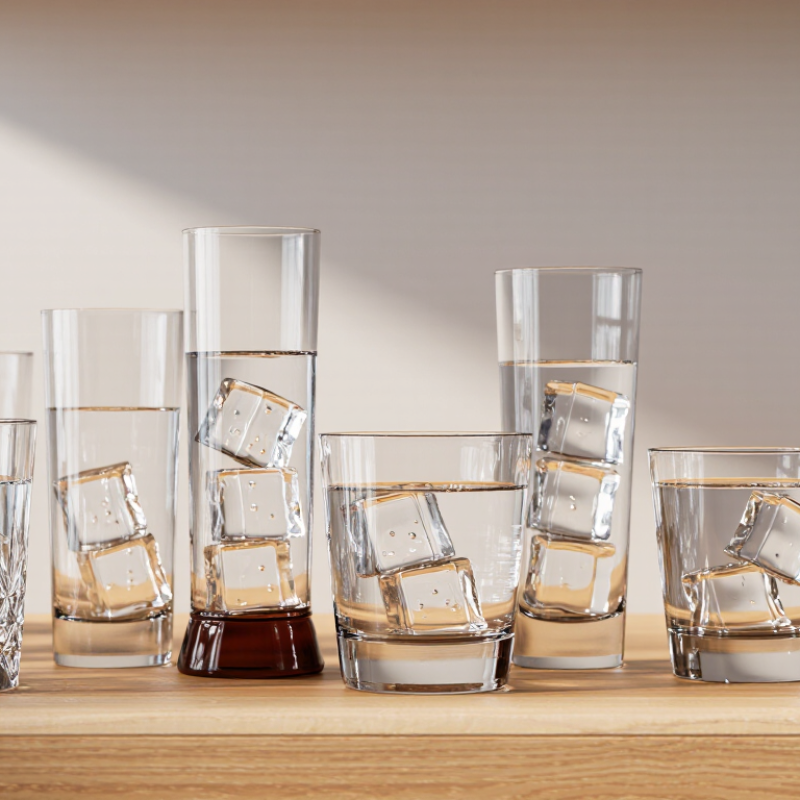
Choosing highball glasses for global buyers starts with understanding their basic form. A highball glass is usually tall, narrow, and straight-sided. This shape holds ice, mixers, and a spirit-based drink without feeling crowded. Common capacities range from 240 to 350 milliliters, while larger versions may reach 400 milliliters. Capacity affects both appearance and serving control.
In practical use, I prefer a glass with enough room for several clear ice cubes. A narrow base can make the glass feel stable on a crowded table, but an overly slim design may tip easily. My first assumption was that taller always looked better. It was not. A moderate height often feels more comfortable in the hand and fits standard refrigerator shelves. Rim thickness also matters. A thin rim can create a refined drinking experience, while a thicker rim may handle frequent household use better.
Highball glasses serve more than mixed beverages. They work for iced water, fruit-infused drinks, sparkling beverages, and casual dinner service. For restaurants, consistent capacity supports reliable portioning. For homes, stackability and dishwasher compatibility may matter more than visual elegance. Buyers should check internal dimensions, not only advertised volume. Two glasses with equal capacity can feel completely different. Slight design flaws are possible, such as a base that collects water after washing. That detail is easy to overlook.
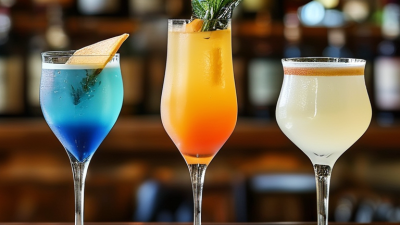
Highball glasses are tall, narrow tumblers designed for chilled drinks with ice, mixers, and carbonated beverages. The capacity ranges below reflect common foodservice serving practices: compact sizes suit soft drinks and standard cocktails, while larger Collins-style glasses provide more room for ice, garnish, and mixer.
Material choice shapes performance, safety, and shipping costs. Most highball glasses use food-contact soda-lime glass because it offers reliable clarity and reasonable production costs. Borosilicate glass tolerates temperature changes better, but it may cost more and feel lighter in the hand. Buyers should check lead and cadmium limits, food-contact compliance, and test reports for the destination market. A clear document trail matters.
Manufacturing quality appears in small details. Look for smooth rims, even wall thickness, stable bases, and consistent capacity. Proper annealing reduces internal stress and helps prevent cracking during use.
In supplier evaluations, I would request samples from different production batches, not only one polished sample. Some factories achieve excellent appearance but weaker impact resistance. That difference can be missed.
Tips: Confirm capacity tolerance, rim thickness, carton protection, and thermal-shock testing before placing a large order. Ask for inspection photos and independent laboratory results. Do not assume “crystal clear” means premium quality. It can hide thin walls or uneven shaping. Also, stacking strength deserves attention. A glass may look attractive yet chip after repeated handling. Personal testing is useful, but it is not a substitute for documented standards and batch inspections.
Highball Glass Types for Different Buyer Needs
Global buyers often compare highball glasses by shape, capacity, durability, and shipping performance. In my purchasing experience, straight-sided glasses suit restaurants needing a consistent, easy-to-stack option. Their clean profile fits water, soda, and mixed drinks without looking oversized. A 300–400 millilitre capacity usually serves everyday use well.
Tapered highball glasses feel more refined and are easier to hold with wet hands. They work well for hotels, lounges, and table settings with limited space. Collins-style glasses are taller, often holding 400–500 millilitres. They provide room for long ice cubes, citrus slices, and layered drinks. However, their narrow base may feel less stable on crowded tables. Ribbed or textured designs add grip and visual interest. They can also hide fingerprints better. Cleaning takes longer, though.
For high-volume buyers, tempered glass offers stronger resistance to sudden temperature changes and daily handling. It is not unbreakable. I once underestimated carton padding after several glasses arrived with chipped rims. That mistake changed my inspection checklist. Buyers should request rim-thickness details, drop-test records, dishwasher guidance, and sample cartons before placing large orders. Stackable models reduce storage pressure, but excessive stacking can still cause scratches. Clear glass shows product quality immediately, while textured glass can disguise small production variations. Color consistency also deserves checking across different batches. A low unit price may become expensive when breakage, returns, and storage space are included.
| Highball Glass Type | Typical Capacity | Typical Dimensions | Material & Construction | Best Buyer Need | Main Advantages | Potential Limitations | Stackability |
|---|---|---|---|---|---|---|---|
| Classic Straight-Sided Highball | 300–355 ml 10–12 US fl oz |
Height: 140–165 mm Diameter: 60–70 mm |
Clear soda-lime glass; machine-made or pressed construction | Everyday home use, casual dining, and general food-service programs | Versatile Easy to fill Simple appearance | Less visual distinction than specialty designs; thin versions may be more vulnerable to rim damage | Good |
| Tall Slim Highball | 250–330 ml 8.5–11 US fl oz |
Height: 150–180 mm Diameter: 55–65 mm |
Clear soda-lime glass with a narrow profile | Buyers focused on portion control, compact presentation, and premium-looking beverage service | Elegant profile Ice-efficient Space-saving on tables | Narrow opening can make cleaning, garnishing, and manual filling less convenient | Very good |
| Heavy-Base Highball | 300–400 ml 10–13.5 US fl oz |
Height: 140–170 mm Diameter: 60–75 mm |
Thicker soda-lime glass with a weighted base | Bars, restaurants, hotels, and buyers prioritizing stability and a substantial hand feel | Stable Durable feel Resists tipping | Higher shipping weight, greater storage weight, and usually less nesting efficiency | Fair |
| Tempered Highball | 250–400 ml 8.5–13.5 US fl oz |
Height: 135–175 mm Diameter: 58–75 mm |
Thermally tempered soda-lime glass designed for improved thermal and mechanical resistance | High-volume hospitality operations and buyers seeking better resistance to everyday thermal shock | Commercial use Improved durability Dishwasher suitable when specified | Once fractured, tempered glass can break into many small pieces; not all designs are stackable | Good |
| Recycled-Glass Highball | 300–400 ml 10–13.5 US fl oz |
Height: 140–175 mm Diameter: 60–75 mm |
Glass containing a declared proportion of post-consumer or pre-consumer recycled material | Sustainability-led retail, hospitality, and buyers requesting an eco-oriented product story | Sustainability appeal Distinctive texture Reusable | Color, bubbles, and dimensional variation may be more noticeable; recycled content should be verified | Fair to good |
| Textured or Ribbed Highball | 300–370 ml 10–12.5 US fl oz |
Height: 140–170 mm Diameter: 60–75 mm |
Clear or colored glass with molded ribs, fluting, or patterned surfaces | Buyers seeking tactile appeal, visual differentiation, and stronger cocktail presentation | Decorative Good grip Hides light scuffing | Patterned surfaces can retain residue and may require more careful cleaning and inspection | Fair |
| Stackable Commercial Highball | 250–350 ml 8.5–12 US fl oz |
Height: 125–165 mm Diameter: 60–72 mm |
Machine-made soda-lime or tempered glass with reinforced rim and nesting geometry | Bars, catering businesses, cruise operators, and buyers with limited storage space | Efficient storage Fast service Lower handling cost | Stacking height and maximum stack quantity must follow the supplier’s specifications | Excellent |
| Crystal-Style Highball | 300–400 ml 10–13.5 US fl oz |
Height: 145–180 mm Diameter: 60–75 mm |
Lead-free crystal glass or high-clarity glass with enhanced brilliance | Premium retail, gifting, upscale dining, and buyers prioritizing clarity and presentation | High clarity Premium feel Gift suitable | Usually higher cost; confirm dishwasher guidance and rim durability before bulk purchase | Fair |
| Double-Wall Glass Highball | 250–350 ml 8.5–12 US fl oz |
Height: 145–175 mm Diameter: 65–80 mm |
Two layers of heat-resistant borosilicate glass with an insulating air gap | Specialty beverage service, hot-and-cold drink presentation, and premium online retail | Insulating effect Reduced condensation Striking appearance | More delicate manufacturing requirements, higher cost, and usually limited stackability | Poor |
| Colored or Frosted Highball | 300–400 ml 10–13.5 US fl oz |
Height: 140–175 mm Diameter: 60–75 mm |
Clear glass with exterior coating, sprayed finish, or through-body colored glass | Event merchandise, hospitality themes, seasonal collections, and design-led retail | Strong shelf appeal Theme-friendly Giftable | Exterior finishes may wear with abrasive cleaning; coating durability must be tested | Fair |
Note: Capacity and dimensions are typical market ranges for comparable highball glass formats. Actual specifications vary by design, wall thickness, manufacturing process, and regional measurement standards. Buyers should confirm rim diameter, base diameter, packed weight, dishwasher suitability, thermal-shock performance, and applicable food-contact requirements before placing a bulk order.
For global buyers, a highball glass must survive daily handling, not just look elegant in photographs. ISO 7086-1 and ISO 7086-2 evaluate reusable glassware for mechanical performance and lead or cadmium release. These standards provide a useful purchasing baseline. A thicker base can reduce tipping and minor impact damage. However, thickness alone does not prove quality. Poorly finished rims may chip during stacking or washing.
Safety also depends on production control. Buyers should request test reports for thermal shock, impact resistance, and food-contact migration. The U.S. FDA Food Code 2022 requires food-contact utensils to be cleaned and sanitized before use. Therefore, smooth interiors and wide openings matter. They allow brushes or commercial washers to reach the bottom. Avoid deep decorative grooves. They trap syrup, pulp, and detergent residue. Not every attractive design cleans efficiently.
Durability includes environmental performance. UNEP’s Global Resources Outlook 2024 reports that global resource extraction has tripled since 1970 and may rise another 60% by 2060. Reusable glasses with stable walls can support longer service lives, reducing replacement demand. Clear soda-lime glass is practical, but thermal shock remains a weakness. A glass moved directly from hot washing water to ice may crack. I would specify gradual temperature changes, carton dividers, and inspection after repeated cycles. That approach costs more initially. It may still prevent hidden breakage and inconsistent customer experiences.
Global buyers should assess more than shape and transparency when selecting highball glasses. A reliable supplier should provide consistent dimensions, clean rims, stable bases, and clear capacity measurements. Request production samples from different batches, not one attractive piece. A polished sample proves little. Factory audits, quality records, export experience, and food-contact documentation also matter. Suppliers with transparent communication usually reduce costly misunderstandings about tolerances, decoration, and delivery schedules.
Pricing should reflect the complete landed cost, not only the unit quotation. Compare glass weight, minimum order quantity, tooling fees, freight terms, insurance, and replacement policies for breakage. Packaging needs practical testing. Individual sleeves, molded dividers, strong export cartons, and moisture-resistant labels can protect glasses during long-distance transport. However, heavier packaging may increase freight costs. This trade-off deserves calculation, not guesswork. Compliance requirements differ by destination, so buyers should request current test reports and declarations for materials, coatings, and printing inks. Do not assume one document fits every market.
Tips: Ask for a pilot order before committing to full volume. Measure rim diameter, height, capacity, and breakage rates on arrival. Keep photos and inspection records. Small details become expensive quickly. Also, review whether your chosen packaging is recyclable and easy for warehouse staff to handle. I have seen attractive quotations fail because cartons were difficult to stack.