 +86 183 6377 3366
Leave Your Message
-
Contact Phone
-
 Contact Email
Choosing Coffee Cups in 2026 requires more than comparing prices or printing attractive logos. Your cup affects heat retention, leakage, customer comfort, waste handling, and brand perception. A thin lid can spill across a delivery bag. A poor coating can weaken after ten minutes. Small details become expensive problems.
Market signals support careful selection. The International Coffee Organization reported global coffee consumption at approximately 177 million 60-kilogram bags in 2023/24. Meanwhile, the National Coffee Association’s 2024 report showed that 67% of American adults had consumed coffee during the previous day. These figures indicate sustained demand for takeaway service, although they do not guarantee success for every cup format. Regional habits still matter. A 12-ounce paper cup may suit an American café, while smaller sizes may work better in European espresso markets.
Huhtamaki CEO Charles Héaulmé has stated, “Packaging plays a critical role in enabling a circular economy.” That principle deserves practical testing. Recyclable materials can fail when local facilities cannot process them. Compostable Coffee Cups can also confuse customers without clear disposal instructions. This guide will examine materials, sizes, lids, insulation, printing, supplier reliability, and total operating costs. It will also question popular assumptions. The cheapest cup is rarely the cheapest choice. A perfect cup does not exist. A suitable one must match your menu, equipment, customers, and local waste infrastructure.
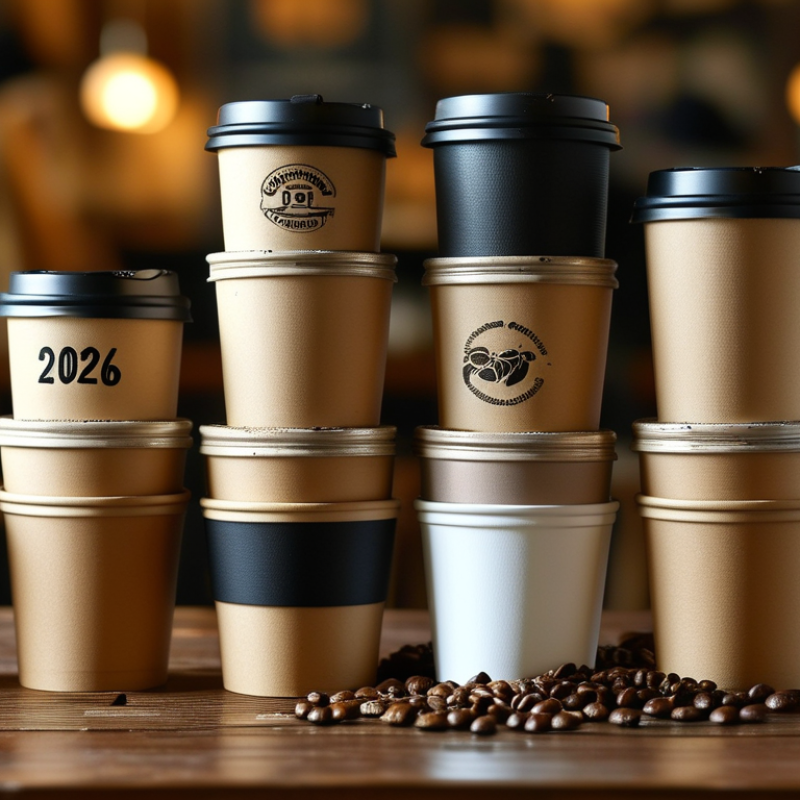
How to Choose Coffee Cups for Your Business in 2026?
Business needs should guide every coffee cup decision. A busy takeaway counter needs lightweight cups, secure lids, and fast stacking. A quiet café may prefer thicker cups that feel comfortable during longer visits. Office catering requires consistent sizes, clear labeling space, and reliable heat protection. Delivery orders need cups that resist tipping inside bags. These uses are different. One cup rarely serves every situation well.
Test cups with real drinks, not empty samples. Fill them with hot coffee, iced beverages, and milk-based drinks. Check heat retention after fifteen minutes. Watch for leaks around the lid. Also examine how easily staff can store and handle them during rush periods. In my experience, attractive cups sometimes slow service because they stack poorly. That detail is easy to miss. Reconsider your first choice.
Tips: Match cup sizes to your menu, not supplier bundles. Choose lids after testing them with actual drinks. Record customer comments for two weeks. Review material claims carefully, since “eco-friendly” can mean different things. Consider local food-contact requirements and disposal systems. A recyclable cup may still be unsuitable where collection is unavailable. Test before ordering in bulk. Small trials cost less than correcting a warehouse full of unused cups.
A practical comparison of cup formats, capacities, materials, and operational priorities for common food-service situations.
| Business Use Case | Recommended Cup Format | Typical Capacity | Material Options | Key Performance Needs | Recommended Lid Features | Operational Priority | Main Trade-Off |
|---|---|---|---|---|---|---|---|
| High-volume takeaway coffee | Single-use hot cup Double-wall or insulated construction |
240–355 ml (8–12 fl oz) |
Paperboard with a moisture-resistant lining; certified compostable alternatives may be suitable where local facilities accept them | Fast filling, stable stacking, comfortable handling, and resistance to leakage during short journeys | Secure sip-through lid with a tight fit and optional drinking plug | Speed, consistency, and storage efficiency | Single-use formats can create more waste and may require specific local recycling or composting systems |
| Premium café dine-in service | Reusable ceramic cup Optional matching saucer |
180–300 ml (6–10 fl oz) |
Glazed ceramic or porcelain | Heat retention, comfortable rim, stable base, and presentation quality | Usually not required; a saucer can improve service presentation | Customer experience and beverage presentation | Heavier handling, breakage risk, washing labor, and water use |
| Office coffee delivery and catering | Lidded hot cup Uniform size for batch orders |
240–355 ml (8–12 fl oz) |
Paperboard, molded fiber, or reusable polypropylene systems | Leak resistance, clear size identification, easy transport, and reliable stacking | Leak-resistant closure with a visible drinking opening; add labels for drink type | Order accuracy and transport safety | More packaging components may increase cost and sorting requirements |
| Drive-through and commuter service | Insulated takeaway cup Designed for one-handed use |
355–473 ml (12–16 fl oz) |
Double-wall paperboard or reusable insulated plastic | Grip comfort, reduced heat transfer, secure lid fit, and minimal spill risk | Snap-fit sip lid with a raised drinking edge and strong seal | Safety, speed, and portability | Larger cups require more material and may occupy more storage space |
| Cold brew, iced coffee, and specialty cold drinks | Clear cold cup Flat or dome lid depending on toppings |
355–710 ml (12–24 fl oz) |
Clear polypropylene, polyethylene terephthalate, or reusable plastic | Cold resistance, visual presentation, rigidity, and compatibility with ice | Flat lid for standard drinks; dome lid for foam or whipped toppings; straw opening where appropriate | Product visibility and drink customization | Clear plastic recycling depends on local collection and processing infrastructure |
| Reusable-cup incentive program | Reusable takeaway cup Standardized returnable format |
240–473 ml (8–16 fl oz) |
Food-grade polypropylene, stainless steel, or other approved reusable materials | Durability, repeated washing, odor resistance, stackability, and easy identification | Removable, washable lid with a secure seal and replaceable components where possible | Return rate, hygiene controls, and lifecycle use | Requires washing, tracking, customer participation, and reverse logistics |
| Coffee cart, market stall, or pop-up event | Compact disposable cup Limited size range |
180–355 ml (6–12 fl oz) |
Paperboard or molded fiber, subject to local waste-processing acceptance | Low storage volume, quick dispensing, easy disposal, and reliable lid fit | Standard sip-through lid selected to match the cup diameter | Portability, low storage demand, and simple service flow | Limited size selection may reduce customization for different beverages |
| Self-service coffee station | Stackable cup system Multiple sizes with clear separation |
180–473 ml (6–16 fl oz) |
Paperboard, reusable plastic, or ceramic for supervised indoor service | Easy dispensing, stable stacking, clear size recognition, and compatibility with dispensers | Use fitted lids when customers take drinks away; no lid may be needed for seated service | Customer guidance and replenishment efficiency | More cup sizes increase inventory complexity and the risk of selection errors |
| Sustainability-focused food service | Reusable first Certified disposable backup |
240–355 ml (8–12 fl oz) |
Reusable systems for regular customers; paperboard or molded-fiber alternatives only when supported by local infrastructure | Documented material claims, durability, washability, and clear disposal instructions | Durable reusable lid or a compatible recyclable/compostable lid verified for the selected cup system | Lifecycle impact, transparency, and customer education | Environmental performance depends on actual reuse rates, washing practices, collection, and processing conditions |