What Are the Top Types of Glass Soda Bottles?
A Glass Soda Bottle can be more than a container: its shape, color, and closure often reveal how it was made and used. Familiar examples include contour bottles, straight-sided designs, embossed bottles, and reusable returnable bottles. Their details offer practical clues. Crown-cap finishes are common, while swing-top closures appear on some specialty designs. Clear glass shows the drink easily, while amber glass generally offers better protection from light. Green shades vary, so color alone cannot establish a bottle’s age, maker, or rarity. Details matter. A bottle’s base marks, seams, embossing, and condition can provide useful context, though none should be read in isolation. Collectors often compare these features with dated catalogs, manufacturer records, and trusted reference books. Cross-checking helps separate documented facts from attractive guesses. A worn label or tiny chip can affect both value and handling needs. Even a clean bottle deserves a careful inspection.
This guide examines leading bottle types through form, closure, color, production clues, and everyday usability. It also considers why certain silhouettes became recognizable and how packaging choices shifted across eras. Not every bottle fits a neat category. Some designs were regional, short-lived, or reused in ways surviving examples cannot clearly show. That uncertainty is worth stating. Rather than treating age or rarity as obvious from appearance, the discussion favors verifiable clues and cautious comparison. Look closely. For readers choosing a display piece, checking for cracks, residue, and unstable glass matters as much as learning its story. The goal is useful identification, not an inflated promise of value.
How Glass Soda Bottles Are Classified
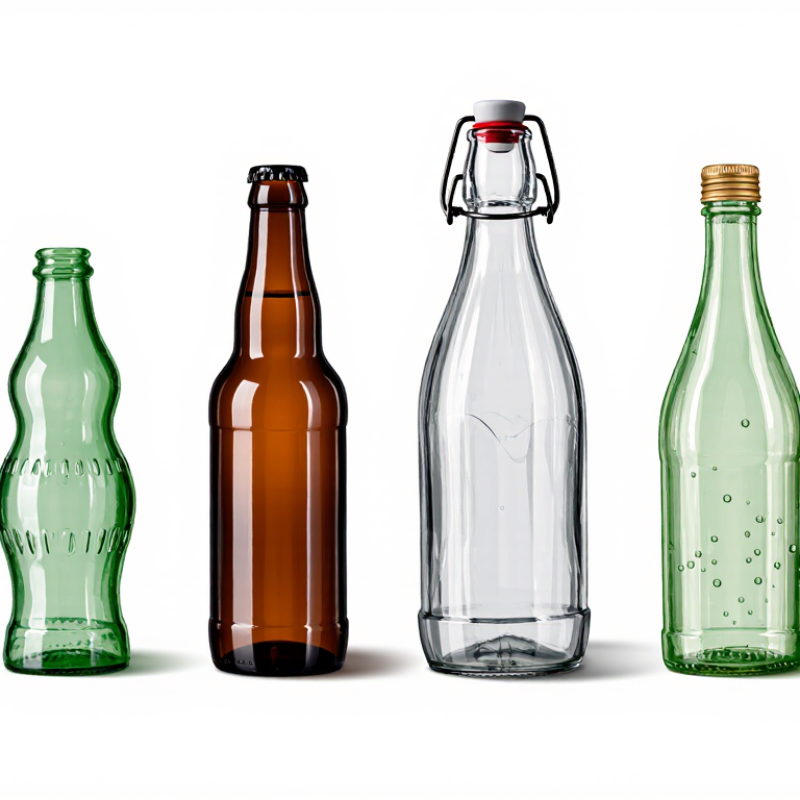
Glass soda bottles are commonly classified by shape, neck design, closure, and capacity. Shape matters. A long-neck bottle has a narrow body and extended neck, while a stubby style is shorter and broader. Contoured bottles curve near the grip, helping them sit securely in the hand. Straight-sided bottles have a simpler profile and often stack neatly in crates. These labels describe general forms, not strict standards; manufacturers may use the same term differently.
The neck finish offers another useful classification. A crown-cap finish has a rim designed for a metal crown closure, while a threaded finish accepts a screw cap. Some reusable bottles use swing-top fittings, though the heavier closure affects handling and storage. Glass color can also distinguish bottles: clear glass shows the drink, while amber or green glass blocks some light. Capacity ranges from small individual servings to larger bottles for sharing. When comparing examples, check the base, shoulder, neck, and opening rather than relying on silhouette alone. Labels are imperfect. A bottle may fit several groups at once, especially when its shape and closure suggest different categories.
What Are the Top Types of Glass Soda Bottles? - How Glass Soda Bottles Are Classified
| Bottle Type |
How It Is Classified |
Common Capacity Range |
Typical Closure |
Common Use or Consideration |
| Longneck Bottle |
A narrow, elongated neck extends above a relatively slim body. |
About 250–355 mL |
Crown cap; some versions use a screw cap |
A familiar single-serving format. Its long neck provides a convenient grip and pouring area. |
| Contour Bottle |
Shaped body with curved shoulders or indented sides, rather than a straight cylindrical profile. |
About 200–500 mL |
Crown cap or screw cap |
Distinctive shape can aid handling and identification. Exact dimensions vary by bottle design. |
| Straight-Sided Bottle |
Mostly cylindrical body with relatively straight sides and a simple shoulder and neck. |
About 200–500 mL |
Crown cap or screw cap |
A straightforward shape that is generally easy to label, pack, and store. |
| Stubby Bottle |
Shorter and more compact than a longneck, usually with a broad body relative to its height. |
About 250–355 mL |
Usually a crown cap |
Compact proportions can make it convenient to handle and pack; capacity depends on the specific design. |
| Small-Format Bottle |
Classified by its comparatively low fill volume rather than by one particular body shape. |
About 100–250 mL |
Crown cap or screw cap |
Used for smaller portions or specialty servings. It may have a longneck, contour, or straight-sided shape. |
| Large-Format Bottle |
Classified by its greater fill volume; the body may be cylindrical or shaped. |
About 500 mL–1 L |
Screw cap or crown cap, depending on design |
Provides multiple servings. Heavier weight and careful handling are practical considerations. |
| Returnable Bottle |
Designed to be collected, inspected, washed, and refilled in a reuse system. |
Varies; commonly about 250–500 mL |
Usually a crown cap or compatible screw closure |
Made for repeated circulation. Suitability for reuse depends on the bottle specification and inspection process. |
| One-Way Bottle |
Designed primarily for a single distribution cycle rather than repeated refilling. |
Varies; commonly about 200–500 mL |
Crown cap or screw cap |
May be recycled as glass where collection and processing facilities are available. |
Crown-Finish Bottles and Their Closures
A crown-finish soda bottle has a narrow rim shaped to hold a metal cap.
The cap’s skirt folds beneath the glass lip when pressed into place, while a liner inside helps form a seal. That small detail matters. A secure seal helps retain carbonation and limits leaks during storage.
Crown closures usually need a compatible bottle finish and the right capping method. Pry-off caps are removed with an opener; twist-off caps are designed for finishes that let them turn free. They are not automatically interchangeable. For small-batch filling, check the bottle and cap specifications, then use a properly adjusted capper. A cap that sits crooked or rocks on the rim may not seal reliably.
Glass rims can chip, especially after repeated use or rough handling. Inspect the finish under good light before filling, and set aside bottles with cracks or sharp flaws. Not merely decoration. The closure depends on an even glass surface. The distinction between cap styles can feel fussy, and it is easy to focus only on the bottle shape; yet the finish and closure work as a pair. When in doubt, test a few filled bottles and check for leakage and lost fizz before preparing a larger batch.
Returnable, Reusable, and One-Way Bottles
Returnable glass soda bottles are collected after use, washed, inspected, and filled again by a bottling operation. Their thicker walls and familiar shapes help them withstand repeated handling, though they still need careful checks for chips or cracks. A deposit may encourage customers to bring them back, but return systems depend on local collection routes and participating retailers. The bottle does not travel back by itself.
Reusable is a broader description. It can include returnable bottles, as well as sturdy bottles intended for repeated refilling at home or in food-service settings. Look for a stable base, an easy-to-clean opening, and glass without visible damage. The terms can blur, which is worth remembering: a bottle that looks durable is not automatically part of a refill program. That distinction is easy to miss.
One-way glass bottles are designed for a single trip from producer to customer, rather than return to the bottler. They can still be recyclable where local facilities accept the glass, but collection and processing vary. A practical check is to see whether the seller gives clear return instructions or identifies the bottle as refillable. Without that information, the label alone may not tell the whole story.
Common Bottle Shapes and Their Uses
Long-neck bottles are a familiar choice for carbonated drinks. Their narrow necks make them easy to hold, while their straight sides fit many standard bottle crates. The shape also leaves room for a paper or printed label. A crown-style finish suits a secure cap, though the finish must match the filling and sealing equipment. Small details matter.
Stubby bottles have shorter necks and compact bodies. They can feel steady on a table and are convenient where storage height is limited. Contoured bottles add a pinched waist or curved shoulder, giving the hand a natural place to grip. That shape can also make a drink recognizable on a crowded shelf, but it may be harder to pack tightly. The categories blur.
Some soda bottles use rounded shoulders and broad bases, a practical balance for standing stability and pressure resistance. Shape alone does not determine performance: glass thickness, capacity, neck finish, and manufacturing quality matter too. For repeated use, inspect the base and sidewalls for chips or cracks, especially after washing. A bottle can look sturdy and still have a weak spot. Choosing a shape is less about appearance alone than how it feels in the hand, stores, and seals.
What Are the Top Types of Glass Soda Bottles?
Common bottle shapes, representative capacities, and typical uses
The chart shows representative nominal capacities, not fixed standards; sizes vary by region and producer. Long-neck and stubby bottles are common single-serving formats, contour bottles have a distinctive curved profile, Codd-neck bottles use a marble stopper, and returnable bottles are designed for reuse.
Vintage and Specialty Soda Bottle Types
Vintage and specialty soda bottles are easiest to read through their details. Embossed returnable bottles often carry raised lettering and thick, sturdy bases. Look closely. Enamel-painted labels, sometimes called applied color labels, sit directly on the glass and can show chips or fading. Amber and green glass offer another clue, but color alone cannot confirm a bottle’s age.
Specialty forms include early stopper bottles, tall siphon-style shapes, and fluted or figured glass designed to stand out on a shop shelf. A crown-finish neck usually takes a crimped metal cap; a swing-top uses a wire clasp and gasket. Check the lip, seams, and base for wear or manufacturing marks. A bright label can hide damage. That judgment is imperfect, since cleaning and storage also change a bottle’s appearance.
Material matters, too. The Glass Packaging Institute’s industry guidance estimates that using 10% recycled glass in production can reduce energy use by about 2–3%. That figure describes manufacturing, not the history of a particular bottle. I may be too quick to treat heavy glass as a sign of quality; weight can reflect design, not age or rarity. For collectors, small details often tell a more useful story: a worn closure, uneven embossing, or a label with tiny bubbles beneath its surface.

 +86 183 6377 3366
 Contact Email