+86 183 6377 3366


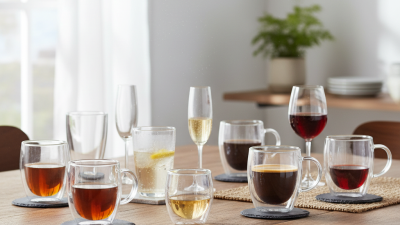
Glass Cups Sets are coordinated groups of drinking glasses, usually matched by shape, capacity, or finish. They can include everyday tumblers, stemmed glasses, or both. A set might sit beside a water jug on a kitchen shelf, ready for weekday meals or guests. Simple idea. Small differences matter.
Glass scientist Dr. Arun K. Varshneya’s published work offers a useful perspective: glass composition and processing affect its properties. That is not a ready-made buying rule, but it helps explain why two similar-looking cups may differ in clarity, weight, durability, and care needs. In practical terms, check the rim for an even finish, compare each cup’s weight, and look for clear care instructions. If a set is dishwasher-safe, follow the manufacturer’s guidance rather than assuming every glass can handle the same cycle.
This guide explains what Glass Cups Sets include, how common styles differ, and which details deserve attention before purchase. It also considers everyday use, storage, and cleaning. A matching set can make a table feel considered. Yet a coordinated look alone does not prove quality. That part is easy to overlook. A useful choice balances appearance with comfort, care, and the way the glasses will actually be used. And sometimes, the best set is simply the one you reach for most.
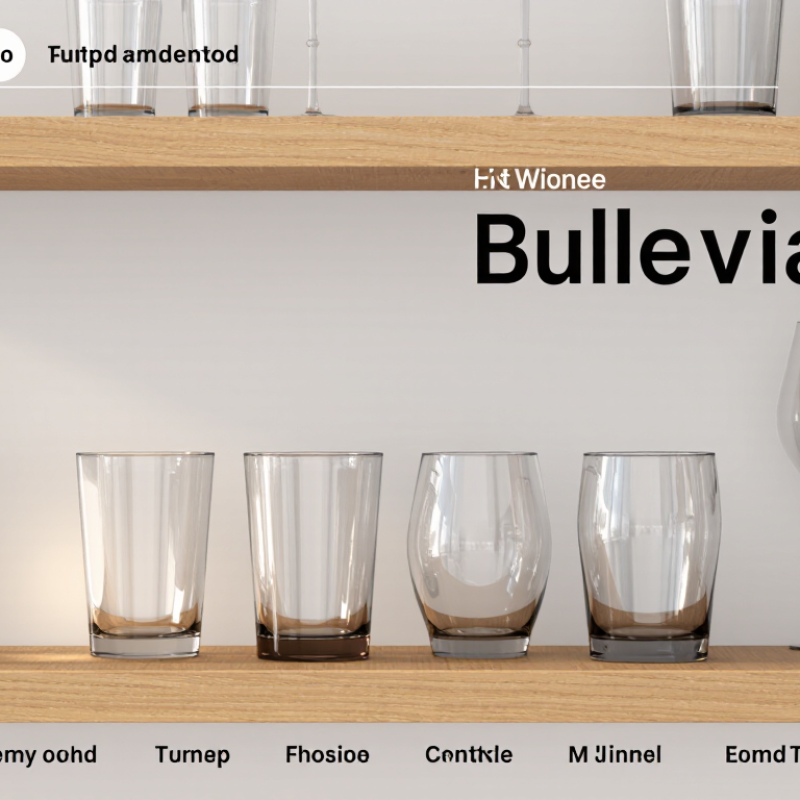
A glass cup set is a coordinated group of drinking vessels, usually sold together for everyday use or serving guests. A typical set might contain four or six matching cups, often with a consistent shape, capacity, and rim finish. Some include saucers, lids, or small plates, but these are optional pieces rather than defining features. The word “set” can be a little loose: check the listed piece count before assuming accessories are included.
Configurations vary with the drink and setting. Short, wide glasses suit water or juice, while taller, narrower cups are often used for iced drinks. Heat-resistant glass cups may be made for tea or coffee, but ordinary glass is not automatically suitable for hot liquids. That matters. A sudden temperature change can cause some glass to crack, so follow the maker’s care instructions.
Sets may also differ in handle style, stackability, and glass thickness. Handles give a steadier grip on a hot drink; straight-sided cups can fit neatly on a crowded shelf. Clear glass shows the drink’s color, while textured or tinted glass changes its appearance slightly. Before choosing a configuration, consider cupboard space, washing needs, and how many people usually share a table. I still find “matching” a bit subjective: small variations in finish can be part of the appeal.
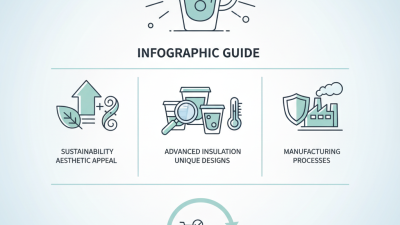
Glass cup sets are commonly made from soda-lime glass or borosilicate glass. The difference becomes noticeable when temperatures change quickly. Soda-lime glass is widely used for everyday tumblers because it is clear, practical, and usually less costly. It works well for serving cool drinks and many room-temperature beverages. Some sets use tempered soda-lime glass, which is more resistant to impact than untreated glass. But a chip or hard strike can still cause breakage.
Borosilicate glass contains boron compounds that reduce how much it expands with heat. That helps it handle sudden temperature changes better than ordinary soda-lime glass. A warm cup is less likely to crack when exposed to a cooler environment, though no glass is immune to thermal shock. It is not unbreakable. Check the product’s care instructions before pouring boiling water into a cup, especially if it feels cold or has visible damage. In daily use, borosilicate can be useful for hot drinks, while soda-lime sets suit routine table service. The distinction is not always obvious by sight, and “heat-resistant” does not mean safe for every stovetop or temperature change. A small caution is easy to overlook.
| Comparison Dimension | Soda-Lime Glass | Borosilicate Glass | What It Means for a Glass Cup Set |
|---|---|---|---|
| What a cup set is | A coordinated group of drinking glasses, often made from soda-lime glass. | A coordinated group of drinking glasses made from borosilicate glass. | Sets commonly include matching tumblers or cups. The number of pieces, capacity, shape, and whether lids or handles are included vary by set. |
| Typical composition | Primarily silica, with sodium oxide and calcium oxide as key ingredients. | Primarily silica, with boron oxide and smaller amounts of other oxides. | The different compositions give the two glass types different thermal expansion and heat-resistance characteristics. |
| Approximate density | About 2.5 g/cm³. | About 2.2–2.3 g/cm³. | For similar shapes and dimensions, borosilicate glass can be lighter, though actual weight depends on the cup’s design and thickness. |
| Thermal expansion | Typically around 9 × 10⁻⁶ per kelvin. | Common low-expansion borosilicate glass is around 3.3 × 10⁻⁶ per kelvin. | Borosilicate glass expands less when heated, which helps it better withstand sudden temperature changes. |
| Thermal shock behavior | More vulnerable to cracking from abrupt temperature changes. Tempered soda-lime products may offer improved resistance. | Generally more resistant to thermal shock than ordinary soda-lime glass. | Neither type is immune to breakage. Safe temperature changes depend on the item’s design, condition, and manufacturer’s instructions. |
| Everyday use | Commonly used for water glasses, tumblers, and many everyday drinking glasses. | Often chosen for cups intended for a wider range of hot and cold beverages. | Choose based on the intended use and care instructions; the glass type alone does not establish that a cup is suitable for every drink or appliance. |
| Clarity and appearance | Can be clear or colored, with appearance depending on the ingredients and manufacturing process. | Can also be clear or colored; some designs use thin walls or double-wall construction. | Transparency, wall thickness, shape, and finish are design choices and are not exclusive to either glass type. |
| Care considerations | Dishwasher suitability varies by product; avoid sudden temperature changes unless the maker says otherwise. | Heat resistance does not automatically mean dishwasher, microwave, oven, or stovetop safe. | Follow the product’s care directions. Avoid using chipped or cracked cups, as damage can increase the risk of breakage. |
| Best comparison point | A widely used glass type for general-purpose drinking glasses. | A low-expansion glass type valued for better resistance to thermal shock. | For a set, compare the stated glass material, piece count, capacity, intended use, and care guidance—not material name alone. |
Note: Figures are typical reference values for common glass compositions; exact properties vary by formulation and manufacturing process. Always check the care and temperature guidance supplied with the specific cups.
Glass cups begin as a carefully mixed batch of silica sand, soda ash, limestone, and recycled glass. In the European Commission Joint Research Centre’s 2013 Best Available Techniques Reference Document for the Manufacture of Glass, melting operations are described at roughly 1,500°C, with actual temperatures depending on the glass composition and furnace. The molten glass is cut into glowing gobs, then shaped in moulds by pressing or blowing. A cup’s rim, base, and wall thickness depend on how evenly the glass fills the mould. Small differences can remain. That deserves attention.
Freshly formed cups pass through an annealing lehr, a long tunnel that cools them gradually and reduces internal stress. Cooling too quickly can leave hidden weaknesses; the process needs close temperature control. Some cups are then tempered: they are reheated near the glass’s softening range and rapidly air-cooled. This creates a stronger surface layer, though not every glass cup is tempered. The distinction matters. A tempered cup may resist impact better, but sudden temperature changes can still cause failure. Manufacturers check dimensions, surface flaws, and thermal performance; no single inspection catches every defect.
What Are Glass Cup Sets?
Borosilicate glass resists temperature changes partly because it expands very little when heated. ISO 3585 specifies borosilicate 3.3 glass with a thermal expansion coefficient near 3.3 × 10⁻⁶ K⁻¹. In practical terms, a cup changes size less than ordinary soda-lime glass as its temperature rises. That reduces stress inside the material when hot tea meets a cooler surface.
That is low. But the figure is not a promise that a cup cannot crack. Sudden temperature shifts, scratches, manufacturing flaws, and uneven heating can still cause failure. A hot cup placed on a cold stone counter may face a sharp temperature difference at its base. I have found that people often focus on the glass type and overlook the surface beneath it. Let the cup warm gradually, avoid pouring boiling liquid into a chilled cup, and check for chips before use. The coefficient helps explain borosilicate’s useful heat resistance; it does not replace careful handling.
Borosilicate glass is valued for its relatively low thermal expansion. ISO 3585 specifies a linear expansion coefficient of 3.3 × 10⁻⁶ K⁻¹ for borosilicate glass 3.3.
Lower coefficients mean less expansion or contraction as temperature changes, which can help reduce thermal stress. Values for glass types can vary by composition; this comparison is illustrative and does not by itself indicate resistance to every form of thermal shock.
What Are Glass Cup Sets?
How Is Glassware Safety Tested? ISO 7086 Lead and Cadmium Release Tests
A glass cup can look spotless and still need testing. ISO 7086-1:2018 sets out a method for measuring lead and cadmium released from food-contact glassware. In a typical test, a lab exposes the cup’s inner surface to 4% acetic acid for 24 hours at 22 ± 2°C. The acidic liquid acts as a controlled stand-in for food and drink. It is then analyzed for released metals. Small details matter: the fill level, contact time, and temperature must be controlled.
ISO 7086-2:2000 defines permissible release limits, which vary by article category and test area. A cup’s capacity and rim can affect which requirements apply, so a result should be read alongside the standard’s test conditions—not as a universal “safe” number. That detail matters. For a glass cup set, testing one sample may not represent every shape or production batch; representative sampling and clear lab records strengthen confidence. There is a blind spot, too: a test reflects a defined laboratory exposure, not every way people use or wash a cup. Reputable test reports identify the tested articles, method, and measured lead and cadmium levels.