Best Glass Jar Types for Wholesale Buyers in 2026
Wholesale jar selection is not just a question of appearance. The right Glass Jar must protect its contents, suit filling equipment, and arrive intact after shipping. A wide-mouth jar makes scooping easier, while an amber jar can help limit light exposure. Straight-sided designs simplify labeling. Small differences matter.
Scott DeFife, president of the Glass Packaging Institute, has described glass as “infinitely recyclable.” That advantage matters, but it does not settle every purchasing decision. Buyers still need to compare jar capacity, glass weight, closure compatibility, and carton protection. Ask suppliers for samples. Check the lid fit by hand. Review how labels sit on curved surfaces, too.
A plain jar can still be the wrong jar. Some assumptions deserve a second look. A heavier base may feel premium on a showroom shelf, yet increase freight costs across a large order. A distinctive shape may stand out, but complicate packing or automated filling. This guide compares common jar types for wholesale buyers in 2026, including clear, amber, wide-mouth, straight-sided, and specialty shapes. It also considers practical details such as minimum order quantities, finish consistency, and sample testing. No single style suits every product or market. The best choice is usually the one that balances presentation with dependable handling—and leaves fewer surprises when the shipment arrives.
Understanding the Main Types of Glass Jars for Wholesale
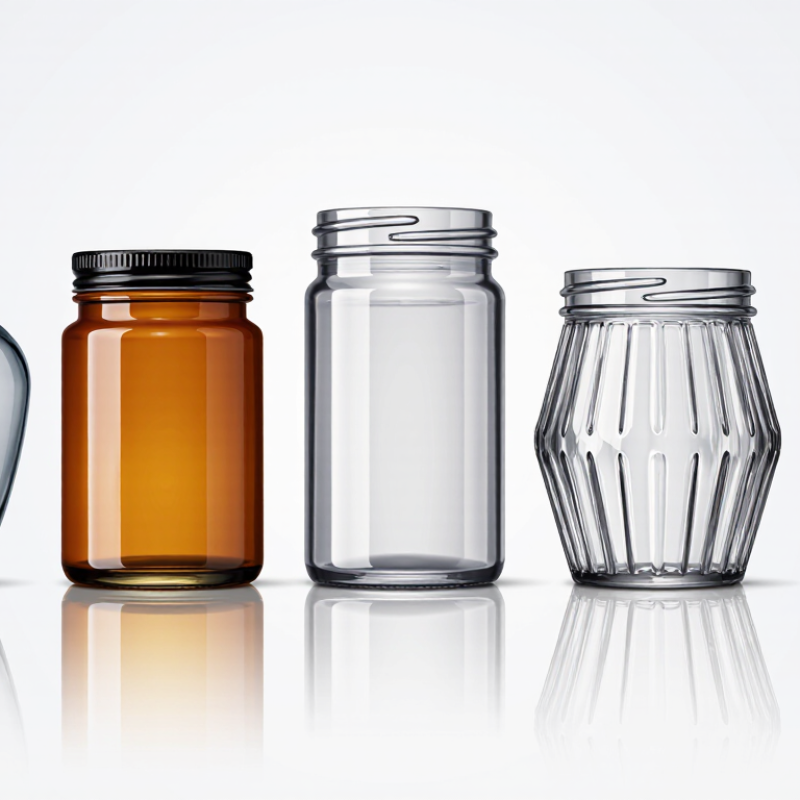
Glass jars come in several useful forms, and their shape affects filling, storage, shipping, and shelf display. Straight-sided jars have wide openings and smooth walls, making them easy to fill and label. They suit products such as sauces, spreads, candles, and dry goods. Round jars are familiar and often pack efficiently, while square jars can use shelf space neatly. Small detail. It matters.
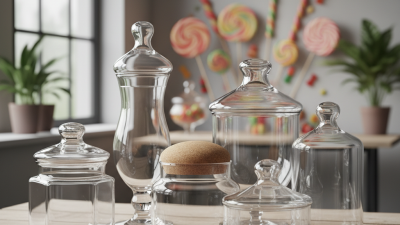
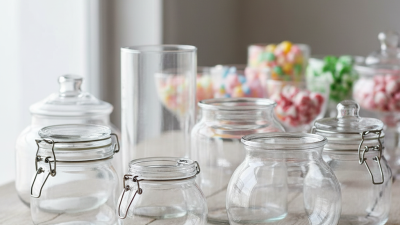
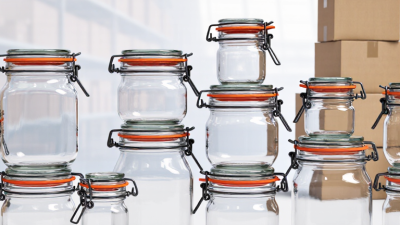
Wide-mouth jars make scooping and cleaning easier, especially when contents are thick or chunky. Narrow-mouth jars can help control pouring but may slow filling. Hexagonal jars create a distinctive display, though their corners need careful protection in transit. Canning-style jars usually pair with two-piece lids; clamp-lid jars use a gasket and wire closure. Check that the closure fits the intended use, rather than assuming similar-looking lids are interchangeable.
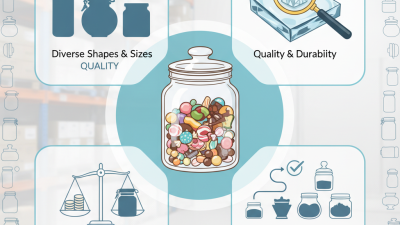
For wholesale orders, compare capacity, opening diameter, glass weight, and case dimensions—not just the jar’s appearance. Ask for samples and test filling, closing, labeling, and packing before committing to a large run. A jar that looks sturdy on a desk may chip when cartons shift. That test is easy to skip. It is also where some purchasing plans need a second look. Check finish consistency and closure availability across the full order, since small variations can complicate production.
Matching Glass Jar Types to Product and Industry Needs
A jar should fit the product before it fits the shelf. Straight-sided glass jars suit sauces, spreads, and body creams because labels sit flat and the opening allows easy filling. Wide-mouth jars work well for granola, bath salts, and chunky preserves, where customers need room to scoop. For thicker products, check that the opening and closure remain practical after filling.
Shape affects shipping, too. Round jars are familiar and easy to clean, while square or hexagonal jars can use shelf space efficiently. But unusual shapes may slow packing or require dividers. Small details matter. Compare the jar’s usable capacity, not just its stated volume; shoulders can leave less filling space than expected.
Light-sensitive oils and skincare formulas may call for amber glass, while clear glass displays layered foods or colorful cosmetics well. Candle makers should check that the jar is designed for heat exposure and test it with the intended wax and wick. For food products, confirm that the glass and closure suit the filling process, such as hot filling or refrigeration. Ask suppliers for specifications and sample jars, then test the actual product, label, and closure together. A design can look right in a catalog and still feel awkward in daily use.
Best Glass Jar Types for Wholesale Buyers in 2026
Matching common jar formats to product and industry needs
Representative capacities illustrate typical product-fit examples: small jars suit cosmetics and spices, medium jars work well for candles and preserves, and larger jars are often used for pantry storage. Actual capacities vary by jar design and supplier; confirm dimensions and closure compatibility before ordering wholesale.
Evaluating Wholesale Requirements for 2026
In 2026, evaluating glass jars for wholesale starts with the product, not the catalogue photo.
A 250-milliliter straight-sided jar may suit spreads, while a wide-mouth jar makes filling and cleaning easier. For dry goods, lighter jars can reduce shipping weight, but thin walls may increase breakage risk. Ask suppliers for actual dimensions, glass weight, neck finish, and closure compatibility. Small differences matter. A lid that looks standard may not seal consistently across batches.
Estimate total landed cost rather than comparing unit prices alone. Include cartons, pallet patterns, protective dividers, freight, and expected damage rates. Request production samples and test them with your filling line, labels, and storage conditions. Check whether case quantities match sales forecasts; excess inventory ties up cash, while frequent reorders can interrupt supply. Recycled-content options may support purchasing goals, though color and availability can vary.
Not every requirement fits neatly into a spreadsheet. Record acceptable tolerances before ordering, then confirm them in writing. For 2026 planning, prioritize repeatable quality and dependable lead times over a low quote that cannot be verified.
Selecting Suppliers, Packaging, and Quality Standards
Best Glass Jar Types for Wholesale Buyers in 2026
Selecting suppliers, packaging, and quality standards matters as much as choosing clear, amber, or wide-mouth jars. Clear glass displays product color; amber glass helps limit light exposure. Wide-mouth jars simplify filling and cleaning. Ask suppliers for drawings, weight tolerances, closure compatibility, and batch traceability. A polished sample is useful, but it cannot reveal every production variation. Samples are not enough.
The U.S. EPA’s 2018 Advancing Sustainable Materials Management report estimated that 31.3% of glass containers were recycled. Rates vary by location, so request recycled-content details and confirm local packaging requirements. For quality checks, specify acceptance sampling under ISO 2859-1 and agree on measurable limits for chips, cracks, finish dimensions, and color variation. For glass containers, buyers can also discuss thermal-shock testing using ASTM C149. Put test methods and rejection procedures in the purchase agreement.
Tips: Request a pre-shipment inspection and pack-out photos. Test filled jars in the actual carton, with dividers and closures included. A carton that survives a warehouse sample may still fail after a long, rough delivery. Ask for drop-test results and clarify who pays for damaged stock. Some suppliers resist detailed defect limits; that hesitation deserves a second look.

 +86 183 6377 3366
 Contact Email