inquiry
Leave Your Message

China Best Wine Bottles Wholesale Suppliers?

Finding China’s best Wine Bottles wholesale suppliers requires more than comparing catalog prices. A reliable supplier should combine consistent glass quality, food-contact safety, flexible customization, and dependable export experience. Bottle shape matters. So does weight.

A standard 750 ml Bordeaux bottle may look simple, yet small differences affect filling lines, labels, corks, and shipping damage. Experienced buyers should request production samples, inspection records, test reports, and clear information about minimum order quantities. Ask how the supplier controls color consistency, wall thickness, neck dimensions, and packaging protection.

“Packaging is part of the wine experience, not merely a container,” says Carlos de Jesus, a glass-packaging sustainability specialist. His point is practical. A heavy antique bottle can create a premium impression, but it also increases freight costs and environmental impact. Lightweight glass may be more efficient, but it must still protect the product during handling.

The strongest Chinese suppliers usually provide factory audits, customization drawings, mold support, and transparent lead times. They should also explain whether recycled glass content is available. That detail can support sustainability claims without relying on vague marketing language.

However, no shortlist is perfect. Prices can change with energy costs, molds, and shipping conditions. Samples may look excellent while larger production reveals inconsistencies. Buyers should therefore inspect before shipment and define acceptance standards in writing. Careful verification turns a promising supplier into a dependable long-term partner.
China Best Wine Bottles Wholesale Suppliers?

Types of Wine Bottles Available from Chinese Wholesale Suppliers

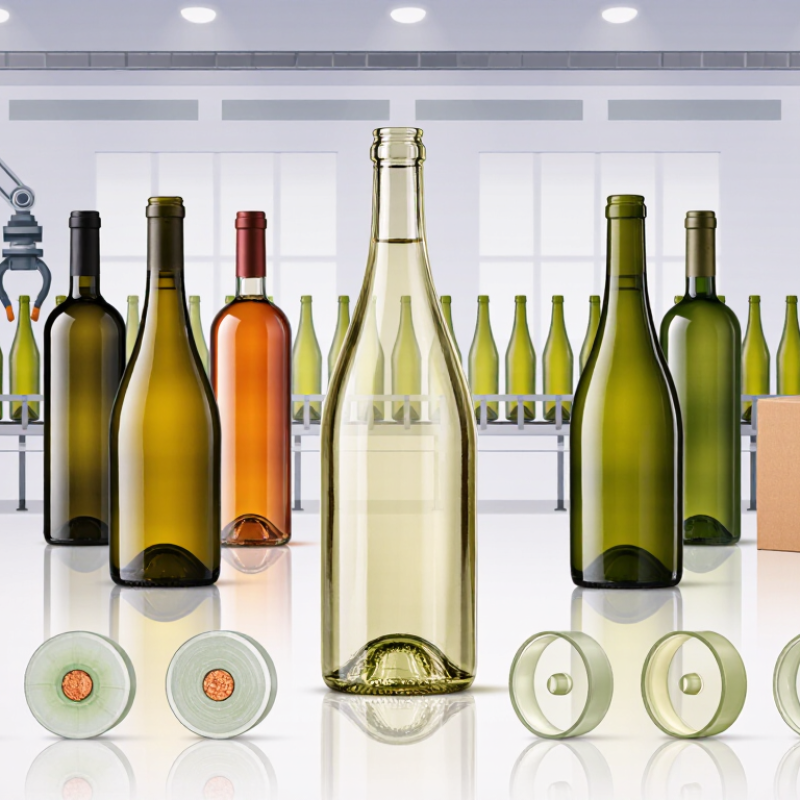
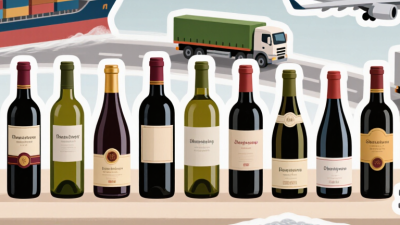
Chinese wholesale suppliers commonly stock Bordeaux, Burgundy, and Alsace wine bottles. Bordeaux bottles have straight shoulders and suit Cabernet-based wines. Burgundy bottles use rounded shoulders and a softer, wider body. Alsace styles are taller and slimmer, making them useful for aromatic white wines. Sparkling wine bottles have thicker glass and deeper bases. They are designed to manage internal pressure safely. Suppliers also offer dessert wine, miniature, and standard 750 ml bottles. Flint glass gives a clear appearance, while antique green and amber glass provide stronger light protection.

In procurement work, I check more than shape and color. I request glass thickness, neck finish, bottle weight, and closure compatibility. A small neck difference can create filling problems. Sample testing matters. I normally inspect ten or more pieces for chips, bubbles, uneven bases, and surface scratches. Suppliers may provide custom embossing, frosting, screen printing, or colored glass. However, decoration can change lead time and breakage risk. It is wise to confirm pallet packing, carton strength, and export documents before placing a large order. I once underestimated bottle weight, and shipping costs increased sharply. That mistake still influences my specifications. Good suppliers should explain production tolerances, inspection methods, and replacement procedures clearly. Exact measurements matter.
Key Factors for Evaluating China-Based Bottle Manufacturers

Evaluating China-based wine bottle manufacturers requires more than comparing wholesale prices. A low quote may exclude molds, color testing, export cartons, or breakage allowances. Ask for a factory address, production photos, and recent audit records. Then compare them with the registered business details. Request physical samples from the same production line. Inspect the neck finish, base thickness, seams, and standing stability. A bottle that looks elegant can still fit poorly on a filling line.

Technical evidence matters. Ask for glass composition, thermal shock results, pressure data where relevant, and dimensional tolerances. Confirm whether testing occurs in-house or through an independent laboratory. Reliable suppliers explain testing methods and provide dated reports, not vague certificates. Check capacity by reviewing furnace output, mold availability, and monthly shipment records. One attractive sample proves little. Consistent batches prove more.

Packaging deserves close attention during wholesale negotiations. Request a pallet diagram, carton strength specification, corner protection details, and a trial shipment. Count damaged bottles on arrival and photograph the inner layers. Communication also reveals operational reliability. Are technical questions answered directly? Are changes recorded in a signed specification? Clarify lead times, inspection points, replacement terms, and payment stages before placing a large order. Some buyers focus on price and overlook label adhesion after condensation. That mistake is expensive. Even careful evaluations have blind spots, especially when factory visits are limited. Independent pre-shipment inspection can expose them.

China Best Wine Bottles Wholesale Suppliers? — Key Factors for Evaluating China-Based Bottle Manufacturers
Evaluation Factor Recommended Weight Practical Benchmark What to Verify Before Ordering Suggested Evaluation Method Score Guide
Glass Type and Food-Contact Safety 20% The bottle should be manufactured from food-contact suitable glass, commonly soda-lime glass for standard wine packaging. Flint glass provides a clear appearance, while antique green or amber glass offers greater light protection. Request material specifications, food-contact declarations, migration-test documentation where applicable, and information about recycled glass content. Review documents and inspect a production sample for clarity, color consistency, inclusions, cracks, and visible defects. 1–5
Bottle Capacity and Dimensional Accuracy 15% Common commercial wine formats include 375 ml, 750 ml, and 1.5 L. Capacity, height, diameter, and finish dimensions should remain within the agreed manufacturing tolerance. Obtain a dimensioned technical drawing, nominal capacity, overflow capacity, tolerances, and inspection records for each production batch. Measure samples using calibrated equipment and compare them with the approved drawing and filling-line requirements. 1–5
Neck Finish and Closure Compatibility 15% The finish must match the selected closure system, such as natural cork, synthetic cork, screw cap, or glass closure. Neck dimensions must support reliable sealing and automated capping. Confirm finish standard, neck dimensions, closure drawings, torque or insertion requirements, and compatibility test results. Test the bottle with the intended closure and check sealing performance, insertion force, leakage, and line compatibility. 1–5
Glass Weight and Lightweighting 10% A lighter bottle can reduce material use and freight cost, but it must still withstand filling, transport, stacking, and normal handling. Weight targets should be agreed rather than judged by appearance alone. Request target weight, weight tolerance, vertical-load data, thermal-shock information, and any lightweighting design history. Compare actual bottle weight with the approved specification and conduct performance testing before mass production. 1–5
Mechanical Strength and Quality Control 15% Commercial bottles should be checked for dimensional variation, glass defects, vertical load, impact resistance, and thermal-shock performance according to the buyer’s packaging requirements. Review inspection plans, sampling levels, defect classifications, test equipment calibration, and batch quality reports. Approve a pre-production sample, define acceptable quality limits, and perform independent or witnessed inspections when order volume justifies it. 1–5
Decoration and Customization Capability 10% Available processes may include screen printing, frosting, coating, embossing, labels, and custom molds. Each process affects minimum order quantity, lead time, durability, and cost. Verify decoration samples, color-control method, artwork requirements, mold ownership terms, setup charges, and abrasion or dishwasher-resistance expectations. Evaluate a production-like sample under normal handling, condensation, rubbing, and storage conditions. 1–5
Minimum Order Quantity and Price Transparency 5% Minimum order quantities vary according to stock availability, bottle design, color, decoration, and whether a new mold is required. A meaningful quote should separate product, mold, decoration, packaging, and freight costs. Request a written quotation showing unit price, tooling cost, sample cost, packaging, payment terms, taxes, export charges, and validity period. Compare equivalent specifications from multiple qualified suppliers rather than comparing unit prices alone. 1–5
Production Lead Time and Capacity 5% Lead time depends on stock status, mold development, decoration, production scheduling, and export arrangements. Custom molds and decorated bottles generally require more planning than standard stock bottles. Confirm sample lead time, mold-development schedule, production capacity, holiday shutdown periods, and shipment-ready date. Use a written production schedule with approval milestones and require notice for delays or specification changes. 1–5
Export Packaging and Logistics Readiness 3% Glass requires strong export packaging, stable palletization, moisture protection where necessary, and clear carton or pallet identification to reduce breakage and receiving errors. Review pallet dimensions, carton specifications, stacking limits, container-loading plan, breakage policy, and shipping documents. Inspect the packaging of samples or a trial shipment and verify the proposed delivery term and transport responsibility. 1–5
Supplier Communication and Traceability 2% A reliable manufacturer should provide consistent technical communication, clear revision control, batch identification, and an accessible process for handling complaints or corrective actions. Check response quality, specification version control, lot coding, retention-sample policy, complaint response time, and corrective-action procedures. Run a small trial order and assess communication, documentation accuracy, delivery performance, and after-sales response. 1–5
Overall Supplier Assessment Multiply each factor score by its recommended weight. A supplier with strong technical compliance, closure compatibility, quality control, and delivery reliability is generally a better long-term choice than the lowest-price option.

How to Compare Quality, Pricing, and Minimum Order Quantities

Choosing China’s best wine bottle wholesale supplier requires more than comparing the lowest quotation.

The OIV reported global wine production of about 237 million hectolitres in 2023. That scale creates strong demand for consistent packaging. Ask suppliers for glass composition, bottle weight, neck dimensions, thermal-shock results, and closure compatibility. ISO 7458 and ISO 7459 provide useful testing references for internal pressure and thermal performance.

Pricing should be compared by landed cost, not unit price alone.

Include mould fees, export cartons, inspection charges, freight, breakage allowances, and customs expenses. A heavier bottle may look premium, but it can increase transport costs and handling risks. Request quotations for several volumes, such as 5,000, 20,000, and 50,000 units. Then compare the price curve. Small orders may cost much more. That is normal, but it must be visible.

Minimum order quantities need careful negotiation.

Ask whether the MOQ applies per shape, colour, size, or production run. Confirm whether mixed designs are allowed. Request a pre-production sample and a batch inspection report before paying the balance. The U.S. EPA reported a 31.3% recycling rate for glass containers in its national waste report, reminding buyers that recyclability and material efficiency affect procurement decisions. I would not trust attractive samples alone. Supplier control can weaken during peak seasons. A written tolerance sheet is safer than friendly promises.

Packaging, Customization, and Compliance Requirements

China Best Wine Bottles Wholesale Suppliers?

Choosing a wholesale supplier requires more than comparing prices. Inspect glass clarity, wall thickness, base stability, and rim finishing before approving production. A 750 ml bottle may appear standard, yet neck dimensions can differ between factories. Small errors matter. Ask for drawings, material declarations, and samples from the actual production line. A pre-production sample is useful, but it cannot reveal every factory-control problem.

Customization may include bottle color, embossing, screen printing, closures, and carton design. Confirm the bottle’s neck finish matches the selected cork or screw closure. Otherwise, sealing problems may appear during filling or transport. Request drop-test data, pallet specifications, and packaging photos. Recycled glass content can support sustainability goals, but it may affect color consistency. This trade-off deserves a written specification, not a casual promise.

Compliance should cover food-contact safety, chemical migration testing, labeling requirements, and traceability documents for each export market. Suppliers should provide batch records, inspection reports, and certificates that match the shipped product. Requirements can vary by country, so an independent laboratory or local compliance professional should review the documents. I would not rely on a certificate alone. Check its scope, issue date, testing method, and factory address. A practical sourcing lesson is simple: the cheapest quote often excludes testing, protective packaging, or replacement terms. The weak point is usually hidden in the details. Keep records.

Steps for Selecting and Working with a Reliable Supplier

China Best Wine Bottles Wholesale Suppliers: Steps for Selecting and Working with a Reliable Supplier

Start with specifications. Define bottle volume, glass color, neck finish, weight, closure compatibility, carton strength, and annual quantity. The OIV’s State of the World Vine and Wine Sector 2023 reported global wine production at about 237 million hectoliters. That scale increases demand for consistent packaging, not merely attractive designs. Ask suppliers for dimensional drawings, glass-composition details, tolerance ranges, and food-contact compliance documents. Samples expose defects. Check them under strong light for bubbles, cracks, uneven walls, and rough rims.

Review the factory, not only the quotation. Request production photos, recent inspection records, and evidence of a documented quality system, such as ISO 9001 certification. A remote video audit can reveal furnace capacity, storage conditions, and packing methods, although it cannot replace an independent inspection. FEVE’s industry data highlights glass packaging’s high recyclability in Europe, but recycled content and collection systems vary by market. Confirm the supplier’s actual recycled-content percentage instead of accepting a vague sustainability claim. Do not guess.

Before placing a bulk order, approve a signed sample and a clear purchase specification. Include acceptable defect limits, mold ownership, lead time, replacement terms, pallet design, and payment milestones. Use pre-shipment inspection for the first orders, then track breakage rates and delivery accuracy. Keep communication written and precise. One overlooked detail, such as a cork-compatible neck finish, can stop filling operations. I have found that the cheapest quote often hides packaging risks; however, a higher price alone does not prove better quality. Recheck the evidence.