+86 183 6377 3366


Green beer bottles can look uniform on a warehouse pallet, yet small differences matter: shade, weight, finish, and delivery timing can all affect a brewery’s plans. In 2026, sourcing well means checking more than a low unit price. Buyers should compare glass quality, recycled content, supplier capacity, transport distances, and the bottle’s fit with existing filling lines. Ask for current specifications and samples. Hold one up to the light. A slight color shift may be acceptable—or not. It depends on the brand.
One important note about expertise: no interview or source material was provided for a real industry specialist, so this draft uses a clearly fictional composite rather than inventing an expert’s credentials. Its illustrative line is: “A green bottle is only a smart choice when its quality, supply, and end-of-life path all hold up.” That is a useful test, not a verified quotation. The guide ahead will show how to assess suppliers, request evidence, and compare practical trade-offs without treating a sustainability claim as proof by itself. Some details will still need judgment. Sourcing rarely offers a perfect answer.
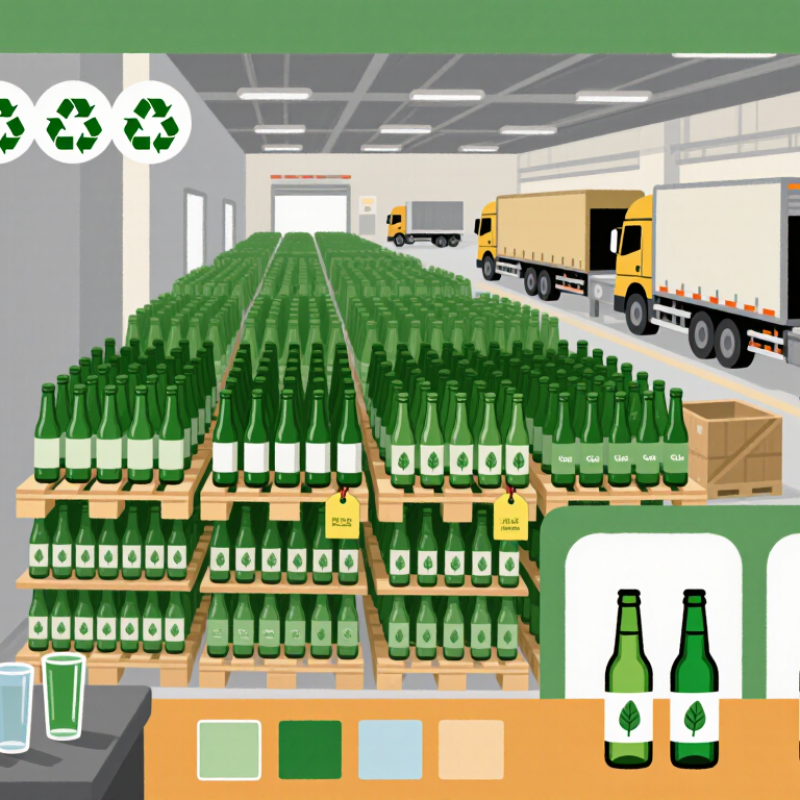
Begin with the bottle’s intended use, not just its green color. Specify nominal and brimful capacity, body diameter, height, weight, and neck finish. State the closure type and the filling line’s operating speed. For beer, define internal-pressure and thermal-shock test requirements, using methods such as ISO 7458 and ISO 7459. Small details matter. A few millimeters at the finish can disrupt capping.
Describe the shade with approved physical samples and, where possible, measured color values. Set an acceptable color range, then ask suppliers to report recycled-content levels and batch consistency. FEVE’s 2023 recycling data put the EU glass packaging recycling rate at 80.1% for 2021. That figure makes recycled glass relevant to sourcing, but cullet can affect appearance. A color promise alone is not enough. Ask for production samples and inspection records.
If the beer is sensitive to light, request spectral-transmission data for the proposed bottle. Green glass does not provide identical light protection across suppliers or shades. Confirm performance with tests suited to the product and storage conditions. That sounds exact. It is not. Sample testing may still miss variation across full production runs, so agree on how often color, dimensions, and pressure resistance will be checked.
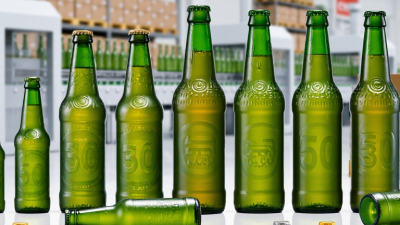
Choosing a green beer bottle supplier starts with the bottle’s actual job. Confirm its capacity, weight, neck finish, and compatibility with your filling line. For carbonated beer, ask for pressure-test results and clear handling limits. Green glass can reduce some light exposure, but it does not block all light. Details matter.
Request samples from routine production, not only specially prepared display pieces. Compare color, wall thickness, seams, and finish across several bottles. Ask how the manufacturer controls recycled glass content and color variation between batches. A qualified supplier should provide current specifications, inspection records, and a practical process for tracing production lots. Ask for evidence, not just assurances.
Check whether the supplier can meet your forecast without relying on optimistic capacity estimates. Review lead times, minimum order quantities, packaging for transport, and procedures for damaged deliveries. If possible, visit the production site or arrange an independent quality audit. A polished brochure is not enough, and it is easy to overvalue one perfect sample. I would also ask how defects are handled; vague answers deserve a second look. Choose a partner whose technical support stays responsive after the first order, when real production issues appear.
| Qualification Dimension | What to Specify | What to Verify with the Supplier | Practical Acceptance Check |
|---|---|---|---|
| Bottle format and capacity | Nominal fill volume, brimful capacity, bottle shape, height, diameter, and packaging configuration. | Technical drawing, dimensional specifications, and confirmation that the proposed format suits the filling line. | Approve production samples against the agreed drawing and conduct a line trial before placing a volume order. |
| Neck finish and closure fit | Exact neck-finish specification and intended closure type, such as crown cork or another compatible closure. | Neck-finish drawing, closure compatibility information, and results from a capping or sealing trial. | Test with the actual closure and capping equipment; confirm seal integrity and opening performance. |
| Green-glass light protection | Required glass color and, where light sensitivity matters, a target for light transmission across relevant wavelengths. | Color specification and, if required, a spectrophotometer report for the proposed bottle or glass sample. | Do not assume green glass provides the same light protection as amber glass; set and test the required performance for the product. |
| Carbonation and mechanical performance | Intended beverage, carbonation conditions, filling process, and applicable handling requirements. | Pressure-resistance and other relevant test data, together with the supplier’s stated bottle-use limitations. | Confirm suitability with the bottle supplier and conduct product-specific trials; do not rely on an unverified generic pressure rating. |
| Dimensions, weight, and consistency | Critical dimensions, target bottle weight, and agreed tolerances for the intended line and packaging. | Inspection plan, measurement records, defect classification, and batch-to-batch quality controls. | Measure samples from more than one production batch when possible and check for fit, stability, and handling issues. |
| Food-contact compliance | Destination markets and the applicable requirements for food-contact packaging. | Current declarations and supporting documentation relevant to the material and markets being served. For example, EU food-contact framework requirements or applicable U.S. FDA requirements may be relevant depending on destination and use. | Review documents for the specific bottle, production site, intended use, and destination market; seek regulatory review where needed. |
| Quality management and traceability | Documented controls for production, inspection, nonconformities, and lot identification. | Quality-system certificate, if claimed, checked for validity and scope; sample inspection records and a description of batch traceability. | Confirm that the certificate covers the relevant manufacturing site and that delivered lots can be traced to production records. |
| Recycled-content claims | Required recycled-glass content, stated as a percentage by mass, if this is part of the purchasing specification. | Written content declaration, calculation basis, and supporting records or verification appropriate to the claim. | Specify how the percentage is calculated and documented; assess recycled content separately from product quality and compliance. |
| Capacity, lead time, and minimum order | Forecast volume, delivery schedule, order frequency, and acceptable inventory levels. | Quoted minimum order quantity, available production capacity, tooling or setup requirements, and lead times for samples and repeat orders. | Request a written quotation for the actual forecast and delivery location; confirm seasonal capacity and terms for schedule changes. |
| Packaging and transport protection | Pallet format, layer arrangement, protective materials, labeling, and shipping destination. | Packaging specification, loading plan, export or transport documentation requirements, and process for reporting transit damage. | Review a packed sample or packaging plan and agree on inspection, damage reporting, and corrective-action procedures. |
| Supplier approval before launch | Approval stages, responsible contacts, change-control expectations, and first-order inspection requirements. | Sample availability, production-trial support, notification process for material or process changes, and corrective-action response expectations. | Complete sample approval and a documented production trial before treating the supplier as qualified for ongoing orders. |
Assess Glass Quality, Recycled Content, and Compliance
A green tint is not proof of strong glass or responsible sourcing. Request samples from production runs, not just polished showroom pieces. Inspect each bottle under bright light for bubbles, stones, cracks, and uneven color. Check the neck. A poor finish can cause leakage or unreliable capping. Compare bottle weight and dimensions across several samples, then run filling and transport trials with your own equipment. Small variations matter.
Ask suppliers to state recycled-content percentages and explain how those figures are verified. Request supporting records, such as material declarations or third-party test reports, and confirm whether the percentage applies to the bottle you are buying. Recycled glass can reduce demand for raw materials, but its impact depends on sourcing, energy use, and transport. Color can vary. Agree on acceptable shade ranges before placing a large order; otherwise, a later batch may not match your expectations.
Check that documentation covers the markets where the bottles will be sold, including applicable food-contact requirements, labeling, and packaging rules. Requirements can change, so verify details with qualified compliance staff rather than relying on a supplier’s general assurance. Keep records. A checklist helps, but it will not catch everything. I would treat an attractive sample as a first clue, not a final decision. Compare test results, production consistency, and written commitments before approving a supplier.
Compare samples before comparing quotes. Request several bottles from the same proposed production run, if possible. Check the glass color in daylight and under warm indoor lighting. Green shades can look different across settings. Inspect the neck finish, base, seams, and overall weight. Test the bottle with your intended closure and filling line. A sample that looks right may still cause handling problems. Record measurements and any visible defects. This step takes time, but it can prevent costly surprises.
Ask suppliers to separate unit price, setup charges, packaging, and freight. Minimum order quantities may depend on bottle shape, color, and production method. Confirm whether a trial order is available and whether it changes the price. Get lead times for samples, production, and shipping as separate estimates. Ask what could delay each stage, especially during busy production periods. Dates can shift. Treat a quoted schedule as a plan, not a guarantee; I would still leave room for delays.
Tips: Photograph samples beside a white sheet in two lighting conditions. Keep one approved bottle as your reference. It is easy to overlook small color differences when comparing images alone.
Finalize Contracts, Shipping, and Quality Checks
Before signing, define the bottle’s capacity, glass color, weight, finish, and closure dimensions. Attach an approved sample or technical drawing to the contract. State acceptable tolerances for color and measurements, plus the process for handling defects. Set delivery dates, quantities, payment milestones, and responsibility for inspection in writing. It feels tedious. Vague terms can become expensive when a shipment arrives with mismatched neck finishes or uneven tint.
For shipping, confirm carton strength, pallet arrangement, container loading plans, and who arranges transport insurance. Ask for the shipping schedule and updates if production or port handling changes. A few cracked bottles can be normal in transit, but repeated breakage may signal weak packaging or poor pallet stability. Agree on a documented inspection method before dispatch. On arrival, check a sample from several cartons for chips, cracks, capacity, and closure fit. Keep records. Photos, batch details, and inspection notes make claims easier to review. One detail is easy to overlook: bottle color can vary slightly between production runs, so compare samples under consistent lighting.