inquiry
Leave Your Message

Top Tips for Choosing the Best Cosmetic Bottles for Your Needs?

Choosing the right cosmetic bottles can significantly impact your product's appeal and functionality. According to industry expert Jane Smith, “The right packaging can enhance brand perception and user experience.” With a myriad of options available, selecting the best cosmetic bottles might seem daunting.

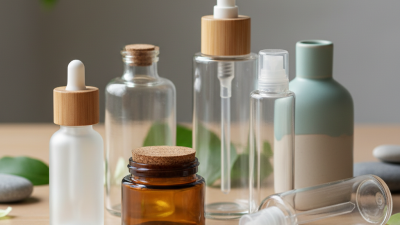
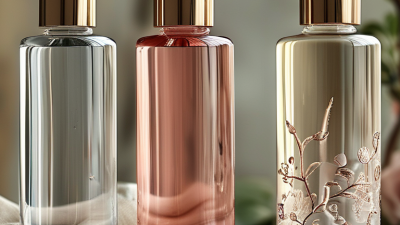
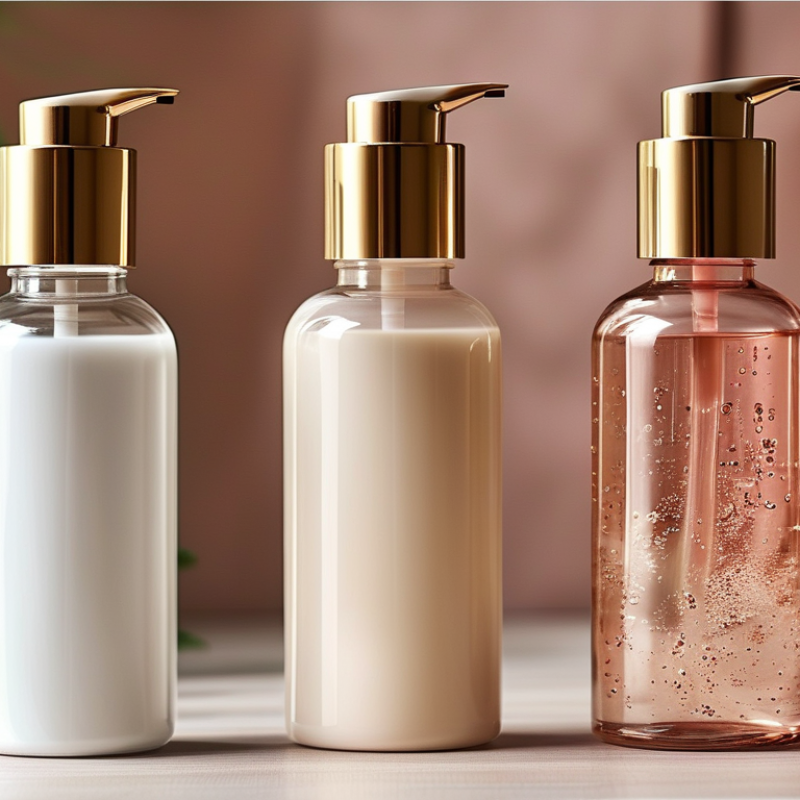
When considering cosmetic bottles, it's vital to evaluate design and functionality. Glass offers elegance, while plastic provides durability. Think about sustainability too; eco-friendly options are on the rise. A bottle's shape and size should align with your product's needs. A well-designed bottle not only attracts customers but also ensures ease of use.

However, not all bottles will suit every product. Some may leak, while others may not protect contents effectively. It's essential to test various options before making a final choice. Strive for a balance that meets both aesthetic and practical needs. The right cosmetic bottles can elevate your brand and enhance customer satisfaction.
Top Tips for Choosing the Best Cosmetic Bottles for Your Needs?

Understanding the Importance of Selecting the Right Cosmetic Bottles

Choosing the right cosmetic bottles is crucial. They protect your products and enhance your brand image. The right bottle can improve user experience and product longevity. When selecting bottles, consider shape, material, and functionality.

One important tip is to select materials that align with your brand values. For eco-conscious brands, biodegradable or recyclable materials are ideal. For luxurious products, glass might add an elegant touch. Always think about how the material affects product stability. Some materials may react with ingredients, compromising efficacy.

Another key aspect is the design of the bottle. A well-designed bottle is not just visually appealing; it should also be practical. Ensure the dispensing mechanism works well for the product type. Consider potential issues like leaking or clogging. Testing different designs before finalizing can save time. Often, a simple design proves effective. However, it’s essential to reflect on user feedback for improvements.

Factors to Consider When Choosing Cosmetic Bottle Sizes and Shapes

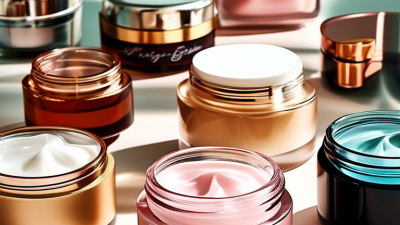
Choosing the right cosmetic bottle is essential for both functionality and aesthetics. When considering sizes and shapes, think about the product you plan to store. Liquid products typically require bottles with seals, while creams and balms may need jars with wide openings. Yet, finding the perfect balance can be tricky. Some shapes look appealing but may not be practical for daily use.

Next, consider the ergonomics of the bottle. Can it be comfortably held and squeezed if necessary? Sometimes a beautiful bottle may be difficult to use. Too heavy or awkwardly shaped bottles can deter customers. Additionally, the size should align with usage frequency. Large bottles may waste products, while tiny ones can lead to frequent reorders.

Don't forget about the environmental impact as well. Consider whether the bottle is recyclable or made from sustainable materials. Many consumers today prioritize eco-friendliness. Reflect on the message you want your packaging to convey. Sometimes a simple design can be more effective than a complicated one. Choosing cosmetic bottles requires careful thought about both aesthetic and practical aspects.

Materials Used in Cosmetic Bottles: Pros and Cons

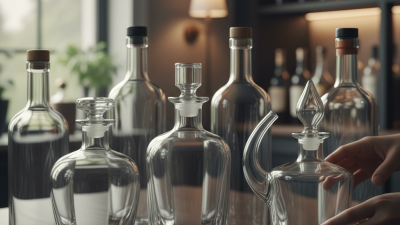
Choosing the right material for cosmetic bottles is essential. Each material has its unique properties that can impact the product inside. Plastic is lightweight and shatterproof, making it popular among manufacturers. However, certain plastics can react with ingredients, affecting stability. Glass offers a premium feel and is non-reactive, ideal for sensitive formulas. Yet, it’s heavier and more prone to breakage, which may not suit every consumer.

Metal bottles, less common, are durable and recyclable. They provide excellent protection from light and air. However, they often require coatings to prevent interaction with products. This adds costs and complexity. Whatever you choose, remember that aesthetics should not overshadow functionality. A beautiful bottle that compromises product integrity is not a wise choice. Striking a balance between design and usability can be challenging, but it’s crucial for optimal performance.

Top Tips for Choosing the Best Cosmetic Bottles for Your Needs

Material Pros Cons Best For
Plastic (PET, HDPE) Lightweight, shatterproof, cost-effective Less environmentally friendly, can leach chemicals Lotions, shampoos, and conditioners
Glass Elegant, recyclable, non-reactive Heavy, breakable, more expensive High-end skincare products, fragrances
Aluminum Lightweight, recyclable, good barrier properties Can dent, may require inner coating Sprays, creams, and sunblocks
Acrylic Durable, lightweight, glass-like appearance May scratch easily, not biodegradable Lotions and creams
Biodegradable Plastics Environmentally friendly, reduces plastic waste Can be more expensive, limited shelf life Eco-friendly products

Design Features That Enhance Functionality and Aesthetics

When selecting cosmetic bottles, design features play a crucial role. The shape, color, and material influence both functionality and appeal. A well-designed bottle can attract customers. Aesthetic elements, like vibrant colors or sleek shapes, can boost perceived value. However, excessive embellishments might distract from the product inside. Striking the right balance is essential.

Functionality should not be overlooked. Features like pumps, droppers, and airless dispensers enhance ease of use. They ensure precise application and minimize product waste. Yet, some designs may complicate refilling or recycling. Users often desire environmentally friendly options. Choosing sustainable materials can improve both functionality and eco-friendliness.

Consider ergonomics as well. A bottle that is easy to hold improves the user experience. Yet, not all designs cater to different hand sizes or mobility issues. Reflecting on accessibility can help brands reach a wider audience. Also, clarity in labeling is vital. Misleading or unclear labels can cause frustration. The ideal bottle balances design, usability, and environmental consciousness.

Sustainability Considerations in Cosmetic Packaging Choices

When selecting cosmetic bottles, sustainability is a crucial factor. Many consumers are now looking for eco-friendly packaging. This shift is driving brands to consider materials that are recyclable, biodegradable, or made from recycled sources. Using glass over plastic can significantly reduce environmental impact. However, glass is heavier and can break easily, which raises concerns about transportation emissions and safety.

Packaging design also plays a vital role. Simple, functional designs often reduce waste. Consider how much material is truly necessary for protection and presentation. Over-packaging, while attractive, can lead to excess waste. It's important to think about the lifecycle of the bottle, from production to disposal. A beautiful bottle may catch the eye, but if it harms the planet, it warrants reflection.

Moreover, consumer education on recycling practices is essential. Many consumers are unaware of how to properly dispose of cosmetic containers. Engaging with your audience about responsible actions can foster a more sustainable mindset. Yet, brands need to balance aesthetics with practicality. Making bottles attractive but also easy to recycle is a challenge that requires creativity and thoughtful innovation.