inquiry
Leave Your Message

China Top 10 Cosmetic Bottles Suppliers?

China has become a major sourcing destination for Cosmetic Bottles, offering glass, PET, acrylic, and refillable packaging. However, a long supplier list does not guarantee quality. Buyers must examine production experience, material control, decoration capability, and export reliability.

A well-designed bottle should feel balanced in the hand. Its pump should return smoothly. The cap must close without wobbling. Small details matter. Anne Marie Mohan, a respected packaging industry editor and analyst, has described packaging as “the silent salesperson.” That idea remains useful when comparing China’s leading suppliers. A bottle protects the formula, but it also communicates cleanliness, value, and brand personality.

This guide reviews ten notable Chinese suppliers through practical purchasing criteria. These include factory credentials, customization options, minimum order quantities, sample quality, lead times, and quality inspection systems. It also considers whether suppliers can support small emerging brands or only large-volume projects.

The ranking is not absolute. A supplier strong in luxury glass may not suit a lightweight skincare launch. Another may offer attractive prices but limited color consistency. That is where buyers need patience. Request physical samples. Test the closure repeatedly. Check the bottle after transport simulation. Ask for clear documentation.

Some supplier information changes quickly. Websites can look impressive. Reality may be less polished. Therefore, this overview should support direct verification, not replace it. A careful buyer compares evidence, communicates specifications clearly, and accepts that the cheapest quote is rarely the safest choice.
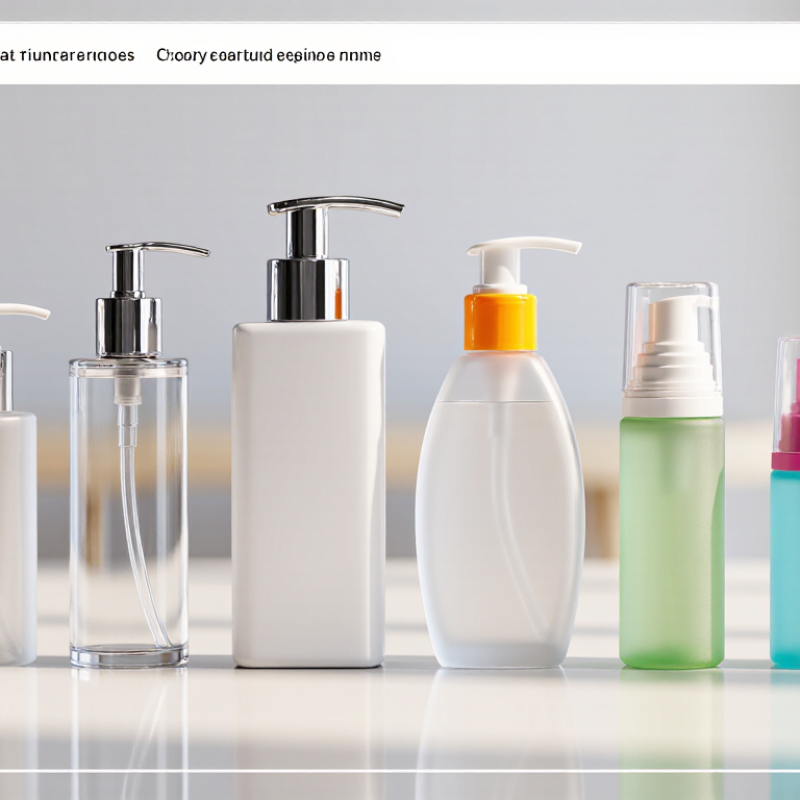
China Top 10 Cosmetic Bottles Suppliers?

What Defines a Leading Cosmetic Bottle Supplier in China?

China Top 10 Cosmetic Bottles Suppliers?

What Defines a Leading Cosmetic Bottle Supplier in China?

A leading cosmetic bottle supplier offers more than attractive packaging. The supplier should understand product viscosity, filling temperature, closure torque, and storage conditions. A lightweight bottle may reduce shipping costs, but it can deform during filling. That risk needs testing.

Technical control matters. Experienced factories check neck dimensions, wall thickness, color consistency, and surface defects during production. They should provide samples before mass manufacturing. Fit tests can reveal loose pumps, leaking caps, or uneven dispensing. Small details matter.

Documentation also shows professional maturity. Reliable suppliers can share material specifications, inspection records, production schedules, and applicable compliance documents. Their quality team should explain sampling standards clearly. Photos are useful, but physical samples are better.

Communication reveals experience. A capable supplier asks about formula compatibility, decoration methods, order volume, and expected shelf life. They do not promise every result immediately. That is important. Some suppliers accept custom designs too quickly, then struggle with mold costs or unstable lead times.

Sustainability claims need careful review. Recycled content, refillable structures, and lighter materials sound positive, but each option has trade-offs. A thinner bottle may crack in transit. A refill system may require unusual components. Buyers should test the complete package, not only the bottle.

No factory is perfect. Even strong suppliers can face color variation or delayed tooling. The better ones disclose these risks early and offer practical corrective plans. Supplier selection should include audits, sample testing, production monitoring, and honest conversations about what may go wrong.
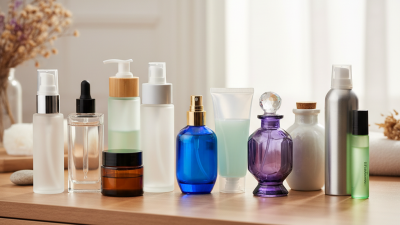
How to Evaluate China’s Top Cosmetic Bottle Manufacturers

China Top 10 Cosmetic Bottles Suppliers?

Choosing among China’s leading cosmetic bottle manufacturers requires more than comparing catalog photos. A reliable evaluation starts with factory evidence. Request production videos, material specifications, quality records, and recent sample batches. Check whether the supplier controls molding, decoration, assembly, or only coordinates outside workshops. This distinction affects consistency and accountability.

Test the bottle in realistic conditions. Fill it with your formula and observe leakage, color changes, pump performance, and cap alignment. Measure wall thickness at several points. Ask for drop tests, torque data, and inspection standards. Confirm mold ownership, minimum order quantities, production capacity, and replacement policies in writing. A polished showroom can mislead. Clear documents matter more. Communication also deserves testing. Send one technical question and assess the response’s accuracy, speed, and detail.

Tips: Build a small comparison sheet for every supplier. Record sample defects, response times, certifications, lead times, and packaging options. Visit the facility when possible, or use an independent inspection service. Do not rely on one successful sample. Production batches may reveal uneven coating, tiny scratches, or loose closures. Sustainability claims also need evidence, such as recycled-content data and material traceability. I have found that low prices often hide tooling changes or longer approvals. That is not always a problem, but it should be questioned before signing.

China’s Top 10 Cosmetic Bottle Suppliers by Product Strengths

China’s Top 10 Cosmetic Bottle Suppliers by Product Strengths

China’s leading cosmetic bottle suppliers compete through specialized product strengths, not simple price claims. The strongest ten typically cover glass bottles, PET containers, airless packaging, dropper bottles, pump systems, travel sizes, and refillable formats. Grand View Research valued the global cosmetic packaging market at approximately USD 32 billion in 2023. Its projected growth reinforces demand for lighter, more functional packaging. Supplier selection therefore requires more than viewing a polished catalogue.

Several Chinese manufacturers stand out for high-clarity glass, thick-wall decoration, and consistent neck dimensions. Others focus on airless bottles for creams, where piston performance and dispensing recovery matter. PET specialists offer lightweight bodies, while pump-focused factories emphasize dosage accuracy and leak resistance. Market reports from Smithers also identify sustainability, downgauging, and mono-material design as important packaging directions. These strengths are practical during filling, transport, and repeated consumer use.

Factory audits should examine mold maintenance, incoming-material records, color consistency, and batch traceability. Ask for production samples, not only digital renderings. Short lead times help.

However, no “top ten” ranking is completely objective. A supplier excellent at glass may perform poorly with airless systems. Decoration samples can also hide production variation. Buyers should compare failure rates, testing procedures, and communication quality before signing a supply agreement. A small pilot order remains wiser than a large assumption.

China Top 10 Cosmetic Bottles Suppliers by Product Strengths

Material density benchmarks for common cosmetic bottle formats used when evaluating supplier capabilities.

The chart uses typical material density values in g/cm³. Glass provides a premium feel and strong chemical resistance, while PET, HDPE, and PP offer lightweight packaging options. Aluminum is commonly selected for durable, premium, and highly recyclable packaging formats. These figures are material benchmarks rather than company rankings.

Quality, Customization, and Compliance Standards to Compare

When comparing China’s top 10 cosmetic bottle suppliers, quality should be tested beyond appearance. Request production samples, not only showroom pieces. Check the neck finish, pump fit, wall thickness, and bottle weight. A 0.2-millimeter variation can affect filling-line performance. Drop tests and leak tests should use the final formula and closure.

Customization must support both function and brand consistency. Ask whether the supplier can provide mold drawings, color chips, decoration samples, and pilot-run records. Small details matter, such as a smooth shoulder, readable printing, and a cap that opens without slipping. Confirm minimum order quantities and mold ownership in writing. Custom work can look impressive but still create costly delays.

Compliance requires clear, current documentation. Review material declarations, restricted-substance statements, quality certificates, and batch traceability records. If recycled resin is used, request its percentage and source evidence. Suppliers should explain inspection points, defect limits, and corrective-action procedures. Packaging should also be tested for compatibility, especially with alcohol-based, oily, or acidic formulas. Regional rules differ, so documents must match the destination market. No supplier is flawless. A practical comparison should record weaknesses, not hide them. One overlooked issue, such as ink rubbing from a wet carton, may appear only after shipping. Supplier audits, sample retention, and written approval standards provide more reliable evidence than attractive photographs.

How to Select the Right Chinese Supplier for Your Cosmetic Brand

China Top 10 Cosmetic Bottles Suppliers?

How to Select the Right Chinese Supplier for Your Cosmetic Brand

Choosing from China’s leading cosmetic bottle suppliers requires more than comparing catalog photos. A reliable supplier should explain glass or plastic grades, pump compatibility, decoration limits, and production capacity. Ask for recent samples, not only digital renders. Check the bottle neck, closure fit, wall thickness, and surface finish under normal lighting. Small defects become obvious on a retail shelf.

Request clear documents for material composition, quality inspections, and export packaging. Suppliers with practical experience can explain leakage testing, drop testing, and batch consistency without vague promises. Confirm minimum order quantities, mold ownership, sample fees, and lead times in writing. A low unit price may hide expensive molds or high rejection rates. It happens.

Communication also matters. Send one detailed specification sheet with dimensions, color references, artwork files, and filling conditions. Then compare how each supplier responds. Do they identify risks, or simply say everything is possible? A short video call can reveal production knowledge, but it cannot replace an independent inspection. Consider visiting the factory when order value justifies the cost.

My own early mistake was trusting a perfect sample too quickly. The second production batch showed uneven coating near the shoulder. A stronger approval process would have caught it. Select a supplier that welcomes controlled testing, accepts reasonable corrections, and provides traceable batch records. Your best choice may not be the cheapest or most impressive. It should be the one that remains precise when details become inconvenient.