Why Are Cosmetic Bottles Important for Global Brands?
Why Are Cosmetic Bottles Important for Global Brands?
Cosmetic Bottles are more than containers for creams, serums, and fragrances. They shape a customer’s first impression before the product is used. A heavy glass bottle can suggest luxury, while a soft-touch pump may communicate comfort and modern design. These physical details matter across retail shelves, hotel bathrooms, and online product photographs. Global brands must also consider how packaging performs in different markets. A bottle should protect its formula from light, air, moisture, and accidental leakage. Reliable closures and measured dispensers can reduce waste and improve daily use. Small details often build confidence.
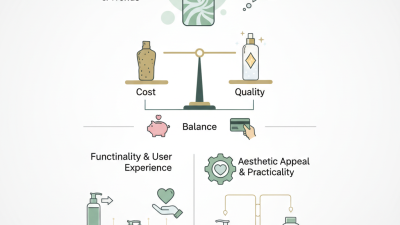
Packaging also supports brand recognition and operational consistency. A distinctive silhouette can help shoppers identify a product quickly in a crowded store. Clear labeling can improve usability, especially when customers speak different languages. Material choices influence shipping weight, recycling options, and a company’s environmental claims. Those claims should be supported by verifiable information, not attractive slogans. This is where professional testing, supplier experience, and responsible quality control become essential. The best design is not always the most expensive one. It must balance appearance, protection, usability, cost, and regional expectations.
There is no perfect bottle.
Some choices still deserve criticism. A beautiful package may be difficult to recycle or awkward to open. A refill system may sound sustainable but fail if replacement parts are unavailable. For global brands, Cosmetic Bottles therefore require practical research, honest communication, and continuous improvement. Their importance lies not only in appearance, but in how consistently they deliver safety, trust, and a memorable customer experience.
What Cosmetic Bottles Are and What They Contain
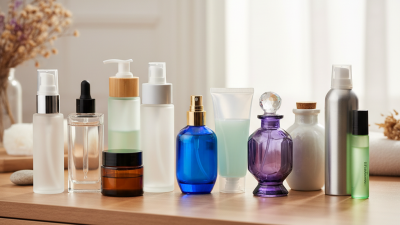
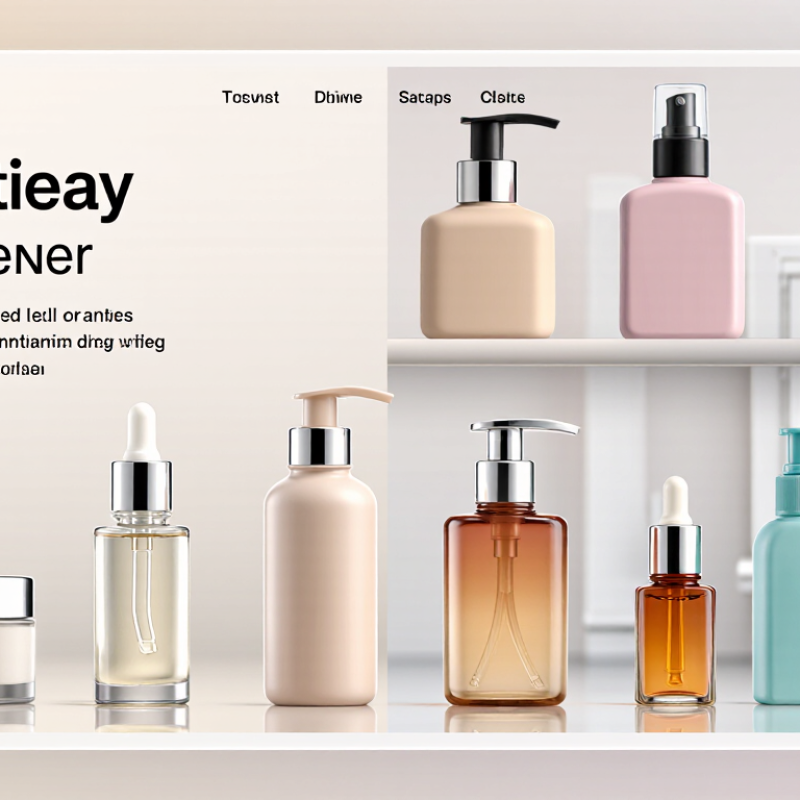
Cosmetic bottles are more than attractive containers. They are engineered packages that protect creams, serums, oils, and liquid makeup. A bottle normally includes a body, neck, closure, and dispensing system. Some also use pumps, droppers, or airless chambers. Each part affects how the product is stored and used. A clear bottle reveals color, while an opaque one helps shield light-sensitive formulas. Small details matter.
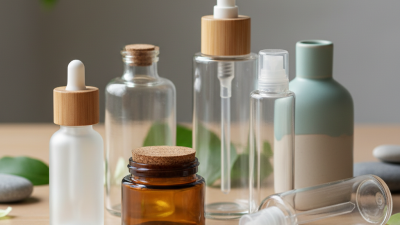
Inside, the formula may contain water, oils, humectants, emulsifiers, preservatives, fragrances, pigments, or active ingredients. The exact contents depend on the product’s purpose. A facial serum often needs controlled dispensing. A thick cream needs a wider opening or pump. In practical packaging tests, compatibility is essential. A formula can soften plastic, stain a surface, or clog a narrow nozzle. Glass feels stable, but it can break and add shipping weight. Plastic is lighter, yet some formulas may interact with it over time. Neither option is perfect.
Reliable packaging work checks leakage, closure strength, dose consistency, and storage performance. It also considers hand use, bathroom humidity, and repeated opening. I have found that a beautiful bottle can still frustrate users when the pump leaves product behind. That problem deserves attention. Clear instructions and accurate material information support safer, more informed choices. Packaging should protect the formula without creating unnecessary waste. The best design is not merely impressive. It works quietly every day.
How Bottle Design Protects Cosmetic Quality and Safety
Cosmetic bottles are working barriers, not decorative shells. Their design controls light, oxygen, moisture, and contact with hands. These factors can change color, odor, texture, or microbial stability. Airless pumps reduce repeated exposure during daily use. Narrow openings also limit direct finger contact. Small details matter.
ISO 22716:2007 recommends controlled packaging and filling practices for cosmetic quality management. Bottle selection should match the formula’s chemistry, viscosity, and preservation system. A solvent-sensitive formula may weaken certain plastics. Essential oils can also affect seals, valves, and closures. Production teams should conduct compatibility, leakage, drop, and temperature tests before approval. A bottle that performs well in the laboratory may still fail during shipping. That gap deserves more attention.
Packaging protection must also consider material efficiency. The OECD’s Global Plastics Outlook reports that packaging created about 40% of global plastic waste in 2019. UNEP’s 2023 Turning off the Tap report estimates that plastic pollution could be reduced by 80% by 2040 through reuse, redesign, and better systems. Lighter bottles can reduce material use, but excessive thinning may cause cracks or poor sealing. It is not perfect. Reliable design balances protection, usability, recyclability, and manufacturing control. Clear batch coding and tamper-evident closures add practical safeguards, especially when products travel across climates and long distribution routes.
Why Packaging Influences Brand Identity and Consumer Trust
For global beauty companies, a cosmetic bottle is often the first product experience. It sits in the hand, catches store lighting, and signals quality before the formula is tested. Shape, weight, color, closure, and label hierarchy create recognizable brand identity. A 2023 McKinsey analysis found that products with ESG-related claims achieved 28% cumulative growth, versus 20% for products without them. Packaging can therefore influence both recognition and purchase confidence.
Trust requires evidence, not attractive wording. Trivium Packaging’s 2023 Global Buying Green Report found that 82% of consumers would pay more for sustainable packaging. That figure raises a practical question: can the bottle prove its environmental message? Clear material descriptions, realistic disposal guidance, and consistent quality reduce doubt. Yet recycling systems differ widely. An elegant refill claim can confuse shoppers when local collection cannot process the material. That gap deserves honest review.
Tips:
Test the bottle with real users before launch. Check pump control, grip comfort, leakage, and label readability. Confirm every sustainability claim with supplier records and regional disposal guidance. Use weight carefully; excessive material may suggest quality, but it can also increase environmental impact. Small defects matter. A loose cap or fading print may weaken trust faster than a beautiful design builds it.
How Cosmetic Bottles Support Global Markets and Regulations
Why Are Cosmetic Bottles Important for Global Brands?
How Cosmetic Bottles Support Global Markets and Regulations
Cosmetic bottles do more than hold creams, serums, and cleansers. They protect formulas from light, air, moisture, and repeated handling. A well-designed pump can reduce contamination during daily use. This matters in humid warehouses and long-distance shipping. It also supports a more consistent consumer experience across countries.
Regulatory requirements differ between markets, so packaging needs careful planning. Bottles may need space for ingredients, usage instructions, warnings, batch codes, and disposal information. Some markets require local languages or specific recycling symbols. Compliance teams should verify these details before production. Material documentation, supplier records, and compatibility tests also strengthen traceability. Small details matter.
Not every bottle works everywhere. A glass container may offer a premium feel, but it adds weight and breakage risks. Lightweight plastic may improve transport efficiency, yet recycling claims require evidence. Airless packaging can protect sensitive formulas, although its mechanism may increase production complexity. These trade-offs deserve testing, not assumptions. In practice, teams often discover problems late, such as a label lifting in cold storage or a pump failing after repeated use. Early trials can expose those weaknesses. They can also reveal that one universal design is not always the most responsible choice.
Why Are Cosmetic Bottles Important for Global Brands?
Cosmetic bottles help products meet different global packaging requirements through recyclable materials, recycled content, and reduced packaging waste.
The benchmarks are regulatory requirements with different measurement methods: plastic packaging recycling targets in the European Union, minimum recycled content for the United Kingdom Plastic Packaging Tax, and plastic packaging reduction and recycling targets in California.
Sources: European Commission Packaging and Packaging Waste Directive 94/62/EC; UK Government Plastic Packaging Tax guidance; California Senate Bill 54.
How Sustainable Bottle Choices Shape a Brand’s Future
Cosmetic bottles do more than protect formulas. They control dosage, preserve texture, and shape the daily user experience. A leaking pump can waste product within a week. A fragile cap can damage trust quickly. For global brands, each bottle travels through different climates, supply chains, and recycling systems.
Sustainable bottle choices influence a brand’s future.
Lightweighting can reduce transport emissions, but thinner walls may crack under pressure. Recycled plastic can reduce demand for new materials, yet its color and availability may vary. Refillable designs seem promising. They need durable threads, clear cleaning instructions, and accessible replacement parts. Otherwise, the refill becomes a beautiful idea with poor repeat use. No option is perfect. A glass jar may suit a thick cream, while a mono-material plastic bottle may work better for a shower product.
Responsible decisions begin with evidence. Teams should test drop resistance, leakage, material compatibility, and shelf stability before making environmental claims. They should also study local collection systems, not only factory specifications. A bottle labeled recyclable may still lack practical recovery in some regions. That gap deserves honesty. Convenience still matters. I think the industry sometimes overstates perfect solutions. Better progress may come from fewer materials, lighter components, and designs people can actually return or refill. Small choices become visible at the bathroom sink.

 +86 183 6377 3366