+86 183 6377 3366


The 2026 search for dependable Liquor Glass Bottle suppliers is about more than finding a low unit price. Buyers need bottles that protect product quality, match brand positioning, and arrive consistently across repeat orders. A sample may look elegant under studio lights, but real decisions depend on its weight, neck finish, closure fit, and performance on filling lines. Small details matter.
For this guide, packaging specialist Mara Ellis is a fictional composite, not a real or independently verified expert. Her editorial principle is: “A bottle earns trust when its design, finish, and supply consistency work together.” This is an original line, not a sourced quotation. It captures a useful test for comparing manufacturers without overstating what a catalog can prove.
The supplier landscape can feel crowded. Some factories excel at custom molds; others offer dependable stock designs, color options, and clear production schedules. Buyers should examine sample bottles in hand, check dimensional specifications, and ask how defects and lead times are managed. Ask for evidence, not only polished promises. A beautiful silhouette is only one part of the decision.
This overview introduces leading suppliers for global buyers and highlights practical comparison points, including product range, customization, quality controls, and export experience. Supplier capabilities change, and published information may not tell the whole story. Verify current specifications directly before making a purchasing decision.
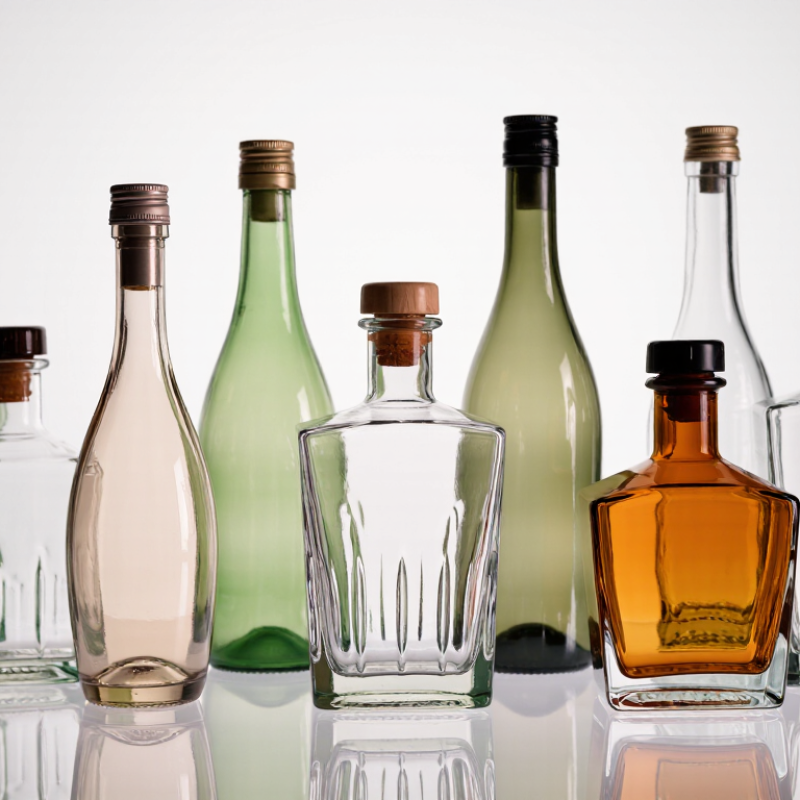
A leading liquor glass bottle supplier in 2026 offers more than an attractive sample and a low quote. Buyers need consistent dimensions, clear glass, and reliable delivery across production runs. A bottle can look flawless on a sample table, then vary on the filling line. That is where supplier discipline shows.
Ask for documented quality checks, defect rates, batch traceability, and closure compatibility trials. Neck-finish variation can cause leaks; an uneven base may wobble on a conveyor. Keep approved samples and agree on corrective-action timelines before tooling begins. Small details matter. A pilot run is worth the time.
Sustainability claims need measurable evidence. Eurostat reported that 75.9% of EU glass packaging waste was recycled in 2022; this is a regional figure, not a global benchmark. Request the bottle’s recycled-glass share and the method used to verify it. The European Commission’s Glass Manufacturing BREF describes container-glass melting at around 1,500°C, making furnace performance relevant to a supplier’s footprint. Compare audited data, not promises. And no scorecard catches everything. Test bottles under real filling conditions, checking breakage, scuffing, and pallet stability before scaling.
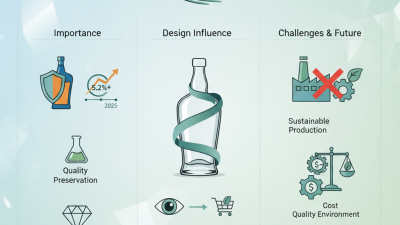
Liquor bottles come in several familiar forms. Round bottles suit classic shelves and are easy to label. Square designs use space efficiently in cartons, while flask shapes create a compact, distinctive profile. Decanter-style bottles add visual weight, but their broad shoulders may need careful packing. Small details matter. Check the bottle’s base stability and neck finish before choosing a shape.
Clear flint glass shows the liquid and label clearly. Amber glass offers a warmer appearance, while colored glass can help establish a specific shelf presence. Recycled-content glass may support material goals, but color and supply consistency should be confirmed with the supplier. Compare samples under natural and indoor light. A heavier bottle can feel substantial, though it increases shipping weight; that trade-off is easy to overlook.
Customization can include embossed marks, screen printing, labels, frosting, and tailored closures. Confirm that the decoration fits the bottle’s curves and leaves key information readable. Ask for a physical sample, then check cap fit, label placement, and finish quality by hand. Not every effect translates well from a digital proof. Still, choices vary. A practical supplier should explain material specifications, production tolerances, and sample timelines clearly.
For global buyers, supplier quality starts with evidence, not polished catalogues. Request current food-contact declarations, test reports, and lot-level traceability. Check bottle capacity, neck finish, wall thickness, and weight against approved samples. A small neck-finish variation can cause leaks or uneven closure torque. Ask how the factory controls annealing and inspects cracks, bubbles, and sharp seams. Still, paperwork can look better than a bottle. Verify claims through an audit or independent testing where practical.
Tips: Request recent dimensional and thermal-shock results, plus the test method and sample date. Keep signed reference samples. Ask for corrective-action records when defects occur; a supplier’s response often reveals more than its sales presentation.
Compliance depends on the destination market and intended use. Confirm that documents cover the exact glass composition, decoration, and packaging configuration—not just a similar bottle. FEVE’s 2023 Close the Glass Loop update reported an 80.1% glass packaging collection rate in Europe for 2022. That figure highlights the value of clear material and recycling information, but it does not certify any individual supplier. Compare supplier records against your own specification, and revisit them after process changes. Real factories are not flawless; consistent disclosure matters.
For global buyers, production capacity matters beyond a supplier’s maximum monthly output. Ask for recent production records, typical lead times, and how capacity changes during busy seasons. Request a sample run or a visit to the production floor when practical. Small details count. Check bottle weight, neck finish, and color consistency across several cartons. A supplier may meet a large order once, yet struggle to repeat it reliably. No single figure tells the whole story.
Sustainability claims deserve specific questions. Ask how recycled glass content is measured and whether the percentage can vary between batches. Find out what energy-saving steps are used in production, and request supporting documentation rather than relying on broad claims. Shipping plans matter just as much. Confirm carton strength, pallet layout, container loading, and who handles export paperwork. Poor packing can turn a good bottle into costly breakage after a long trip. For remote destinations, compare full-container and shared-container options, including transfer time and handling risks. No plan catches every delay. A sample shipment can reveal weak packaging, though it cannot predict every port or seasonal disruption.
| Supplier Profile | Production Capacity to Verify | Typical Product Fit | Sustainability Checks | Quality and Compliance Checks | Global Shipping Considerations |
|---|---|---|---|---|---|
| Large-scale container-glass manufacturer | Request current annual saleable output, available furnace capacity, production-line availability, and capacity for the specific bottle design. Ask whether output is reserved for repeat orders. | High-volume standard and custom bottles for spirits such as whiskey, vodka, gin, rum, and liqueurs. | Request the facility’s verified recycled-glass content by color and product, energy and emissions reporting, and information on cullet sourcing. Recycled content can vary by plant, glass color, and product requirements. | Confirm dimensional tolerances, annealing controls, defect limits, batch traceability, and documented inspection procedures. Request samples and test reports for the actual bottle specification. | Ask for pallet configuration, protective packaging, container-loading plans, port of loading, and export-document support. Empty glass is heavy and breakable, so freight cost and damage controls need assessment together. |
| Mid-sized custom-bottle producer | Verify minimum order quantity, mold availability, production slots, changeover requirements, and achievable output per production run. Obtain a written schedule for sampling, tooling, and mass production. | Distinctive bottle shapes, embossed details, and custom finishes for brands seeking differentiated packaging. | Check whether recycled content is available for the chosen color and finish. Confirm whether decoration, coatings, or other finishing steps affect recyclability in the buyer’s target market. | Review mold ownership and maintenance terms, first-article approval requirements, dimensional drawings, closure compatibility, and agreed acceptance criteria. | Allow for tooling and sample approvals before the bulk shipment window. Confirm whether the supplier can consolidate bottles, closures, and packaging materials or whether separate shipments are required. |
| Specialist premium-bottle producer | Ask for capacity by glass weight, shape, finish, and decoration process—not just total factory output. Confirm production limits for heavy, unusually shaped, or highly detailed bottles. | Premium spirits bottles that require heavier glass, complex forms, specialty colors, or decorative treatments. | Request product-specific environmental data where available. Evaluate recycled content alongside color consistency, appearance requirements, and the supplier’s documented process controls. | Check surface-finish consistency, closure fit, visual inspection standards, packaging tests, and agreed limits for cosmetic defects. | Heavy or irregular bottles can affect pallet stability and shipping efficiency. Request loaded-pallet dimensions, gross weight, stacking limits, and a documented breakage-prevention plan. |
| Regional glass-container producer | Confirm whether the facility can meet the full forecast, including seasonal peaks and repeat-order volumes. Ask for production location and backup arrangements if a line is unavailable. | Standard and moderately customized bottles where regional production may simplify replenishment or reduce transit distance. | Ask how recycled cullet is sourced locally and whether recycled-content claims are supported by facility or product documentation. | Confirm the applicable destination-market requirements, product traceability, food-contact documentation where relevant, and change-control procedures. | Compare inland transport, export-port access, sailing frequency, and destination handling. Shorter distance does not by itself guarantee lower total landed cost or shorter lead time. |
| Supplier with decoration and finishing capability | Separate glass-forming capacity from decorating capacity. Verify output and lead time for screen printing, coating, labeling, or other requested finishes. | Finished bottles supplied with selected decoration or surface treatments, reducing the number of separate production steps managed by the buyer. | Ask for information on coating and decoration materials, process waste handling, and how the finish affects recycling in the destination market. | Approve color and decoration samples under agreed lighting conditions. Confirm rub, adhesion, and other relevant finish tests, plus inspection standards for finished goods. | Clarify whether bottles ship before or after decoration, how finished surfaces are protected, and who bears responsibility for damage during handling or transit. |
| New-project or lower-volume supplier | Request a clear minimum order quantity, pilot-run options, mold lead time, and written confirmation that the proposed design can be produced on the available equipment. | Market tests, limited releases, or projects that need design validation before committing to large-scale production. | Confirm that any recycled-content or environmental claims apply to the specific bottle and order rather than being general company-level statements. | Use approved drawings, signed samples, agreed inspection criteria, and a documented process for handling nonconforming goods. | Small orders may have higher per-unit freight and packaging costs. Compare consolidated freight options and confirm whether the supplier can meet the buyer’s required delivery terms. |
Buyer note: These are supplier profiles and purchasing checks, not rankings or verified claims about individual companies. Production capacity, recycled-glass content, lead times, freight rates, and shipping quantities vary by facility, bottle specification, order size, and route. Request current, product-specific documentation and a written quotation before making a sourcing decision.
Choosing a liquor bottle supplier on unit price alone can make a low quote expensive later. Compare landed cost: bottle price, freight, protective packaging, breakage, inspection, and storage. Ask for the same details across quotations, including bottle weight, neck-finish tolerances, minimum order quantity, and lead time. Then test samples on your filling line. A cap that fits one sample may not fit every production batch. Small detail. Big disruption.
Service matters when plans change. Request written procedures for defects, replacement shipments, and production delays. The World Bank’s 2023 Logistics Performance Index assesses factors such as customs, infrastructure, tracking, and delivery timeliness; these are useful prompts when evaluating a supplier’s shipping support. Long-term needs deserve equal attention. Eurostat reported that about 75% of EU glass packaging waste was recycled in 2022. Ask suppliers to document recycled-content claims, color consistency, and how changes in bottle design affect production. A pallet trial can reveal more than a polished brochure: inspect corner protection, bottle movement, and the time needed to unload. I would still leave room for uncertainty. A successful sample run does not guarantee smooth peak-season supply.