+86 183 6377 3366


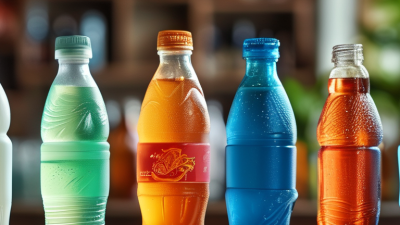
For global buyers, Beverage Bottles are more than containers placed on a supermarket shelf. They protect liquid quality, communicate brand values, and influence shipping costs. A bottle must survive filling, capping, pallet movement, and repeated temperature changes. One weak neck can create leakage, returns, and damaged cartons.
Tom Szaky, a circular-packaging entrepreneur and TerraCycle founder, has stated, “Recycling is a necessary step, but it is not the solution.” His warning matters to beverage purchasers. Selecting glass, PET, aluminum, or recycled materials requires more than comparing unit prices. Buyers must examine weight, breakage risk, barrier performance, closure compatibility, and local recovery systems. A lighter bottle may reduce freight emissions. It may also deform on a fast filling line. This is where practical experience challenges attractive specifications.
The best Beverage Bottles support the entire product journey. They preserve flavor during storage and remain stable during transport. Clear glass can display color beautifully. Recycled PET can reduce virgin plastic demand. Aluminum offers strong protection and efficient stacking. None solves every problem.
Global buyers should request test samples, supplier certifications, batch records, and transport trials. They should also ask uncomfortable questions about recycled content and end-of-life claims. Small details matter, including cap torque, label adhesion, and pallet height. These choices affect safety, cost, shelf presence, and customer trust. The right bottle is not simply the cheapest option. It is the most dependable fit for a real market, although even careful decisions deserve review.
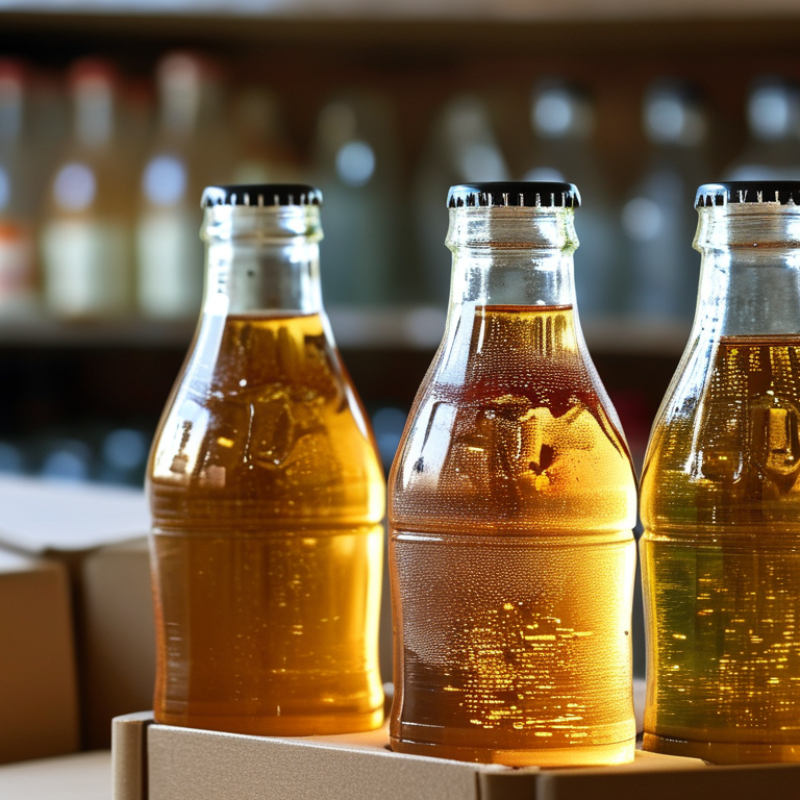
Beverage bottles are containers designed to hold, protect, and dispense drinks. They can be made from glass, plastic, aluminum, or other approved materials. Each material changes the bottle’s weight, strength, appearance, and transport cost. A bottle is not merely packaging. It directly affects product safety and customer experience.
Global buyers examine more than size and color. They check food-contact suitability, closure compatibility, leakage resistance, and performance during temperature changes. A bottle may travel thousands of kilometers before reaching a store. Weak walls, poor threads, or fragile necks can create serious losses. Clear specifications help buyers compare suppliers fairly. Useful details include capacity, empty weight, neck finish, carton quantity, pallet pattern, and testing methods.
A lighter bottle is not automatically better. It may reduce freight expenses but fail during stacking. This trade-off deserves careful testing. Drop tests, pressure checks, and sample inspections can reveal problems early. Buyers should also confirm recycling information and market-specific packaging requirements. Rules differ across countries, and assumptions can become expensive. Small details matter. Even the cap fit can influence freshness, leakage, and consumer trust. A practical bottle choice balances protection, logistics, compliance, and usability rather than focusing on appearance alone.

Why Are Beverage Bottles Important for Global Buyers?
A bottle is more than a container for water, juice, or other beverages. It is the first barrier against contamination, leakage, oxygen, and unwanted light. During packaging inspections, small details often matter most. A weak cap can loosen during a long shipment. A poor seal may allow air or microbes to enter. Product quality can change before the bottle reaches a store.
Material selection also affects safety and performance. Food-contact plastic, glass, and other approved materials should be tested for compatibility with the beverage. The bottle must resist pressure, temperature changes, and rough handling. Clear traceability records can help buyers check resin batches, production dates, and quality results. Tamper-evident closures provide another visible safety signal. Consumers notice that broken ring.
Protection is not only about the bottle wall. Closure torque, liner fit, label accuracy, and storage conditions also matter. Light-sensitive drinks may need stronger protection from ultraviolet exposure. Carbonated beverages require careful pressure testing. A bottle can look perfect and still fail under stress. That is why sampling, leak tests, drop tests, and shelf-life checks deserve attention before large orders. No package is perfect. Some buyers may also underestimate transport humidity, which can weaken labels and cartons over time. Practical review, documented testing, and honest communication make beverage packaging more dependable across global supply chains.
| Evaluation Dimension | Relevant Data | Why It Matters to Global Buyers | Typical Quality or Safety Implication |
|---|---|---|---|
| Material Density | PET: approximately 1.33–1.40 g/cm³ HDPE: approximately 0.94–0.97 g/cm³ Glass: approximately 2.3–2.6 g/cm³ |
Material density affects bottle weight, freight cost, warehouse capacity, and handling efficiency. | Lower-density polymers generally reduce transport weight, while glass provides high rigidity and strong barrier performance. |
| Oxygen Protection | Glass is practically impermeable to oxygen. PET provides moderate protection; HDPE generally allows higher oxygen transmission unless modified with a barrier layer. | Oxygen exposure can cause oxidation, flavor changes, color loss, and reduced nutritional quality in sensitive beverages. | Barrier requirements should be matched to the beverage type, shelf-life target, filling process, and distribution climate. |
| Carbon Dioxide Retention | Carbonated beverages commonly contain about 2.5–4.0 volumes of dissolved CO₂, depending on product formulation and filling conditions. | The bottle must limit CO₂ loss and tolerate internal pressure throughout storage and transport. | Bottle geometry, wall thickness, polymer type, closure seal, and temperature control all influence carbonation retention and package safety. |
| Light Protection | Clear packaging provides limited protection from ultraviolet and visible light. Amber, opaque, or UV-absorbing packaging provides substantially higher protection. | Light can accelerate oxidation and degrade light-sensitive nutrients, flavors, colors, and natural compounds. | Light-sensitive beverages may require colored glass, opaque plastic, UV absorbers, secondary cartons, or controlled warehouse lighting. |
| Thermal Compatibility | Standard PET bottles are commonly used for ambient or cold-fill applications. Specialized heat-set PET and glass are used for higher-temperature hot-fill processes. | Filling temperature, pasteurization, transport heat, and storage conditions can affect dimensional stability and seal performance. | The selected bottle should be tested under the maximum expected temperature and time exposure, including transport in hot climates. |
| Closure and Leak Control | Leak performance depends on neck finish, cap design, liner or sealing surface, application torque, and container dimensional accuracy. | Leaks can cause contamination, product loss, sticky packaging, carton damage, and customs or retail rejection. | Routine torque testing, vacuum or pressure testing, drop testing, and inverted-storage testing help verify package integrity. |
| Food-Contact Compliance | For plastic food-contact materials in the European Union, the overall migration limit is generally 10 mg/dm² under Regulation (EU) No 10/2011, subject to applicable conditions and exceptions. | Compliance documentation is essential when importing bottles across different regulatory markets. | Buyers should request food-contact declarations, migration test reports, material specifications, and traceability records for the intended beverage. |
| Mechanical Strength | Bottle performance is influenced by wall thickness, design shape, material orientation, drop height, stacking load, and internal pressure. | Packages may experience vibration, compression, impacts, and repeated temperature changes during international distribution. | Validated transport tests reduce breakage, deformation, pallet instability, and product contamination risks. |
| Recyclability and Sorting | PET, HDPE, and glass are widely recognized packaging materials with established recycling streams in many markets, but local collection and sorting systems differ. | Recyclability claims must reflect the destination market rather than relying only on the material name. | Simple material structures, compatible labels, suitable closures, and clear recycling instructions can improve recovery potential. |
| Shelf-Life Validation | Shelf life depends on beverage acidity, oxygen sensitivity, carbonation, light exposure, closure performance, and storage temperature. | A bottle that performs well in one region may require different specifications for long-distance shipping or tropical climates. | Real-time and accelerated shelf-life studies should monitor sensory quality, carbonation, color, chemical stability, leakage, and package deformation. |
Material choice should follow the beverage, filling process, and shipping route. Carbonated drinks need pressure-resistant PET or glass with dependable closures. PET is lightweight and reduces transport weight, but it may need stronger barrier protection for long storage. Glass offers excellent taste stability and a premium feel. It is heavier, though, and breakage remains a practical concern.
Juices and flavored drinks can benefit from opaque or tinted containers. These designs help limit light exposure, which may affect color and flavor. Aseptic beverages often require high-barrier multilayer packaging and carefully matched caps. For dairy drinks, HDPE bottles can provide toughness and easy handling. Hot-filled products need bottles engineered to resist heat distortion. Small details matter. Neck finishes, cap liners, and tamper-evident features influence leakage, freshness, and consumer confidence.
Global buyers should also examine bottle shape, pallet efficiency, and local recycling systems. A wide base can improve shelf stability, while lightweight walls lower material use. However, aggressive lightweighting can create dents or filling problems. I have seen attractive designs fail when their shoulders collapse during stacking. That lesson is easy to overlook. Testing should include vibration, temperature changes, drop resistance, and extended storage. No material wins every time. The best bottle balances product protection, production speed, transport conditions, user comfort, and realistic end-of-life options. Some specifications still need revision after factory trials. That is normal.
Bottle choices shape branding long before a drink reaches the shelf. A narrow profile may suggest premium quality, while a wider base improves stability during handling. Color, texture, and closure design also influence recognition within seconds.
However, attractive packaging can create practical problems. Dark pigments may complicate recycling, and unusual shapes can waste pallet space. These trade-offs deserve careful testing, not assumptions.
Lightweight plastic can reduce shipping mass, but thin walls may deform under heat or stacking pressure. Glass offers strong visual appeal and excellent product protection, yet it increases freight weight and breakage risk.
FEVE reports that adding 10% recycled glass to production can reduce furnace energy use by about 2–3%.
Still, recycled content does not fix poor logistics.
Storage conditions matter too. Bottle dimensions should match cartons, pallets, conveyors, and warehouse racks. A few millimeters can affect case counts and damage rates.
The UNEP Global Plastics Outlook (2022) found that only about 9% of plastic waste was recycled globally in 2019. That figure should challenge buyers who treat recyclability as a simple label.
Materials, closures, inks, and local collection systems must work together.
Sometimes, the most impressive bottle is the least efficient one.
Sustainability and regulations strongly influence how global buyers select beverage bottles. A bottle is not only a container. It affects transport weight, shelf stability, recycling rates, and compliance costs.
In practical sourcing work, buyers often compare resin type, recycled content, wall thickness, closure compatibility, and local collection systems. A lighter bottle may reduce fuel use during shipping. However, it can deform under heat or fail during automated filling. That assumption needs review.
Regulations also vary between markets. Buyers may need food-contact declarations, migration testing, labeling details, and evidence for recycled materials. These documents should match the actual production batch, not an outdated sample. Small differences matter. A slightly different cap can affect leakage tests. A new pigment may complicate recycling. Suppliers should provide traceable specifications, test reports, and change-control records before large orders move forward.
Sustainable purchasing also requires a realistic end-of-life assessment. A bottle designed for recycling may still be poorly recovered where collection systems are limited. Local infrastructure matters. So does consumer behavior.
Some purchasing teams focus heavily on recycled content, while overlooking transport distance or production waste. We have all seen targets become more important than practical results.
A balanced review should measure material use, durability, recovery options, regulatory fit, and total logistics impact. The best choice may not be the lightest bottle or the bottle with the highest recycled percentage.